Top 10 Large CNC Machine Manufacturers for Global Buyers
Choosing a large CNC machine is a major capital decision, not simply a search for maximum cutting capacity. Global buyers must match machine size, accuracy, and production needs with the parts they actually make. A heavy-duty machining center may handle large castings, steel plates, or long structural components, but its footprint and installation needs can be substantial. Small details matter.
This guide introduces 10 large CNC machine manufacturers that buyers may consider when comparing global suppliers. It focuses on practical factors: work envelope, spindle performance, axis configuration, control options, automation compatibility, and regional service support. These specifications help narrow a shortlist, but published figures alone do not show how a machine performs in a particular workshop. Ask for application references, sample-cut data, installation requirements, and clear information about maintenance and spare parts.
A useful comparison also considers the full ownership picture. Freight, foundations, operator training, tooling, and service response can affect project costs and schedules. Even experienced teams can overlook access for maintenance or the route used to move a machine into the facility. That happens. No manufacturer is the right fit for every buyer, and rankings cannot replace a technical review of your parts and production plan. Use the profiles that follow as a starting point, then verify claims directly with each supplier before making a decision.
What Defines a Large CNC Machine Manufacturer?
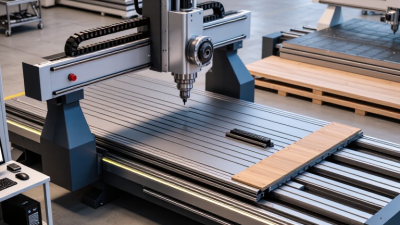
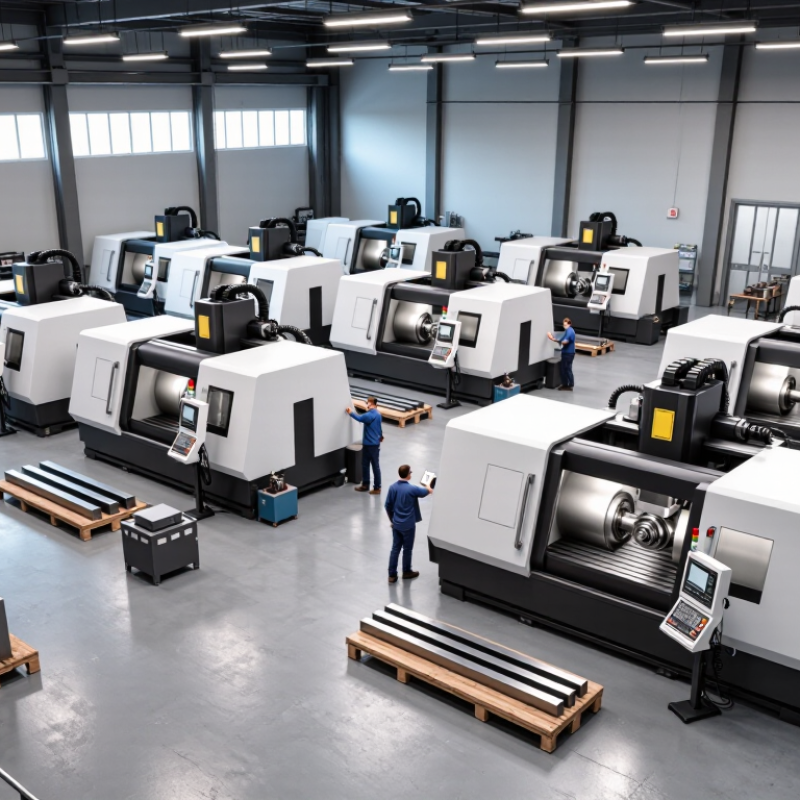
A large CNC machine manufacturer is defined less by floor space than by its ability to engineer, build, and support heavy-duty systems reliably. Its machines may handle long steel beams, oversized molds, or broad aerospace panels, with work envelopes measured in meters. That scale demands rigid beds, high-capacity spindles, precise axis alignment, and thermal control. A machine that cuts accurately for ten minutes but drifts during an overnight run is not truly production-ready. That matters.
The manufacturer should also manage the full process: application review, installation planning, operator training, spare parts, and service response. Ask for machining demonstrations using comparable materials and part dimensions, not just polished sample cuts. Check repeatability data, load limits, facility references, and maintenance access. A technician should be able to explain how a gantry is aligned or how chip flow is controlled. Clear answers help. Vague promises don’t.
Large equipment brings practical trade-offs. Transport routes, foundation thickness, power supply, and factory clearance can shape a purchase as much as cutting speed. Some buyers focus too heavily on maximum table size. It happens. A supplier may offer impressive capacity yet limited support near the buyer’s site. No checklist is perfect, so verify assumptions before production begins.
Criteria for Selecting Global CNC Manufacturers
Criteria for Selecting Global CNC Manufacturers
Compare machines against the parts you actually make: material, dimensions, tolerance, and expected production volume. Ask for positioning test results under ISO 230-2, plus details on thermal compensation and inspection methods. The International Federation of Robotics’ World Robotics 2024 report counted 4,281,585 industrial robots operating worldwide in 2023. That figure signals growing automation, but it does not prove a CNC supplier’s accuracy or reliability. Verify performance with sample parts and documented test conditions.
Tips: Ask for raw results. Check them against your drawing tolerances, not just brochure specifications. Request a written service-response window, common-spares lead times, and commissioning responsibilities for your region.
Review evidence beyond the factory tour. Speak with customers running similar materials and shift patterns. Confirm operator training, software support, and access to replacement components after installation. A supplier may offer strong machine specifications yet provide limited local service. That gap can matter more than a small price difference. Be cautious: even a detailed acceptance test cannot predict every production issue, so define how defects, rework, and escalation will be handled before ordering.
Profiles of 10 Leading CNC Machine Manufacturers
Large CNC manufacturers differ less by size than by the work their machines are built to handle.
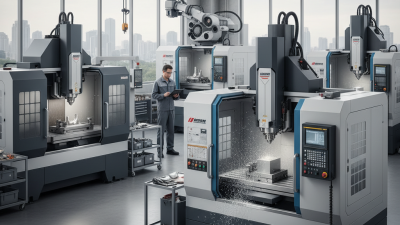
A useful ten-profile comparison includes: high-volume machining-center makers for repeat parts; five-axis specialists for complex surfaces; turning-machine producers for shafts and fittings; gantry builders for large panels; boring-mill makers for heavy components; gear-machine specialists; precision-grinding producers; heavy-duty makers serving energy and transport industries; modular-cell suppliers for flexible factories; and service-led regional manufacturers. These are capability profiles, not a ranking. Each type has different strengths, and no profile is perfect.
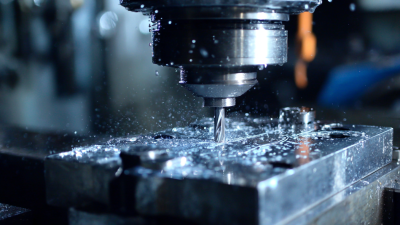
Grand View Research estimated the global CNC machine market at USD 101.22 billion in 2023, with a projected 5.5% compound annual growth rate from 2024 to 2030. The scale suggests broad investment, but it does not prove that every machine suits every shop. Compare working envelope, spindle power, tool capacity, positioning accuracy, and local service response. Ask for a sample cut using your material; a polished brochure cannot reveal chip evacuation problems or setup time. Small details count.
Tips: Check the machine’s footprint, foundation needs, and operator access before requesting a quote. Ask for documented accuracy tests and spare-parts lead times. Then compare total operating costs, not purchase price alone. A low quote can still leave an expensive gap.
Comparing Product Range, Production Scale, and Global Support
When comparing large CNC machine manufacturers, product range matters as much as headline capacity. Some suppliers cover turning, milling, grinding, and multi-axis machining; others focus on fewer processes. Match the catalog to your actual parts, materials, and tolerances. A machine built for heavy steel cutting may not suit delicate aluminum components. Details matter.
Production scale can indicate how consistently a supplier builds and tests equipment, but it is not a quality guarantee. Ask how machines are inspected, what options are available, and whether delivery estimates include installation. Request a sample acceptance plan with measurable checks, such as spindle runout and positioning accuracy. Published capacity figures can be useful, yet they may not reflect a specific configuration or workload. That comparison deserves caution.
Global support affects the machine’s working life. Check where technicians are based, which languages they support, and how quickly common spare parts can ship. Ask for training materials and a clear escalation contact before purchase. A large service network sounds reassuring, but response times can vary by region. Even a careful shortlist can miss local realities, so speak with nearby users when possible.
How Buyers Can Choose the Right CNC Manufacturer
Choosing a large CNC manufacturer is less about machine size than process fit. Match the work envelope, spindle power, axis travel, and tool capacity to real parts on your shop floor. Grand View Research valued the global CNC machine market at USD 101.22 billion in 2023 and projected 6.3% annual growth from 2024 to 2030. That growth gives buyers more options, but a market forecast cannot verify a machine’s accuracy or uptime.
Ask manufacturers for test-cut results using material and tolerances similar to yours. Check positioning accuracy, repeatability, thermal compensation, and inspection procedures. Review installation plans, operator training, spare-parts availability, and local service response times. Request references from users with comparable production volumes. Numbers matter. A low purchase price may hide tooling, maintenance, or downtime costs. I would also question impressive specifications until they are demonstrated under realistic cutting conditions; paper figures can look reassuring.
Tips: Send a sample drawing and ask for a documented acceptance test before purchase. Compare the service commitment in writing, including response times and critical spare-part lead times. Ask for proof. A brief factory visit can reveal practical details, such as chip removal, access for maintenance, and how clearly operators can monitor the process.