Best China Precision CNC Machining Supplier?
Choosing the best China precision CNC machining supplier requires more than comparing hourly rates. A reliable partner must hold tolerances, document materials, and communicate problems before shipment. Grand View Research reports that the global CNC machine market reached approximately USD 88 billion in 2023, reflecting strong demand for automated, accurate production. Yet market growth does not guarantee supplier quality.
David A. Dornfeld, a respected manufacturing researcher, wrote, “Manufacturing is a value-adding process.” That principle matters when a supplier cuts a titanium bracket, measures a 0.01 mm bore, or records every tool correction. The finished part should add value, not create inspection delays. Buyers should examine ISO 9001 certification, calibrated CMM equipment, first-article inspection records, and material traceability. Aerospace projects may also require AS9100 controls, while medical components demand stricter documentation and process validation.
The details reveal competence.
A strong supplier should explain its machining limits clearly. It should identify how it controls thermal expansion, tool wear, surface finish, and batch variation. Reports from the U.S. National Institute of Standards and Technology emphasize measurement science, process control, and digital manufacturing as foundations for dependable production. These points support a practical review, not a marketing promise.
Still, no supplier is perfect. A beautiful sample may hide weak production control. A low quote may exclude inspection, packaging, or engineering support. My own evaluation can also be incomplete without reviewing real production records and customer references. This guide examines China precision CNC machining suppliers through capability, evidence, communication, and long-term reliability. The best choice is not always the cheapest one. It is the partner that consistently proves its claims.
What Is a China Precision CNC Machining Supplier?
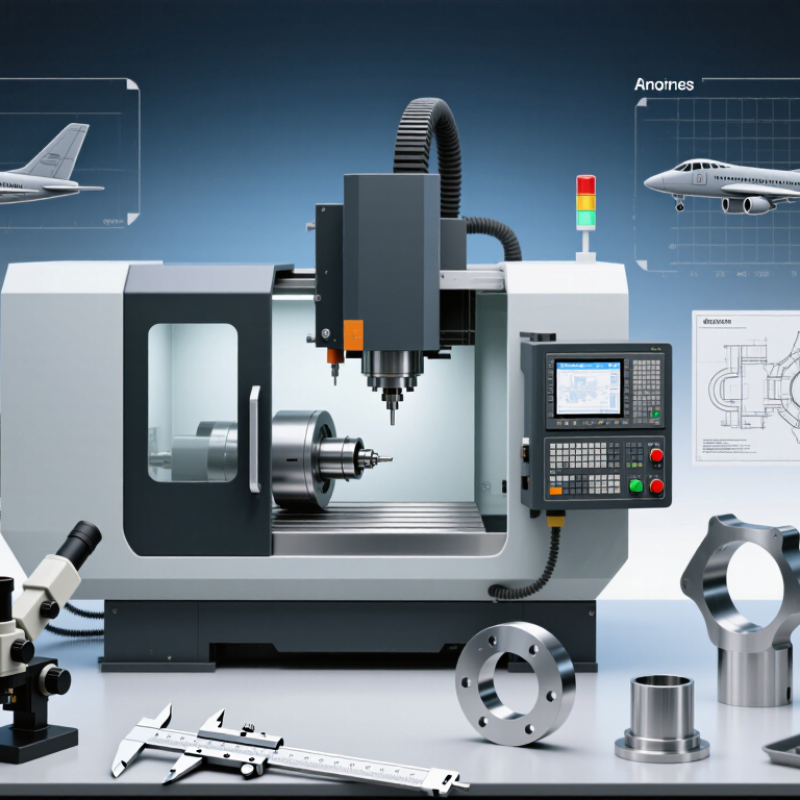
A China precision CNC machining supplier is a manufacturing partner based in China. It uses computer-controlled mills, lathes, and related equipment to produce parts from digital drawings. These parts may support medical devices, automation equipment, instruments, or industrial machinery. Precision means more than achieving a small tolerance. It also includes material control, repeatability, surface finish, and dependable delivery. A qualified supplier should understand engineering drawings, geometric tolerances, machining allowances, and suitable cutting tools.
In real projects, engineers often review a model before quoting. They may question thin walls, deep holes, sharp internal corners, or difficult-to-source materials. This practical discussion can prevent expensive revisions. Reliable suppliers normally confirm the alloy, heat treatment, quantity, tolerance range, and inspection requirements in writing. They may use calipers, micrometers, height gauges, or coordinate measuring machines to verify critical dimensions. Inspection reports should identify the measured feature, requirement, result, and measurement method.
Clear evidence matters. A clean workshop helps, but it proves little by itself. Ask for sample inspection records, process photographs, material certificates, and a realistic production schedule. Communication also deserves attention. Slow replies can become serious delays during engineering changes. No supplier is perfect. Even experienced teams can miss a note or underestimate setup time. That is why a small trial order, documented approval process, and pre-shipment inspection are valuable. The best China precision CNC machining supplier is not simply the cheapest option. It is a capable, transparent partner that can repeatedly turn technical requirements into usable parts.
Core Manufacturing Processes and Technical Capabilities
Best China Precision CNC Machining Supplier?
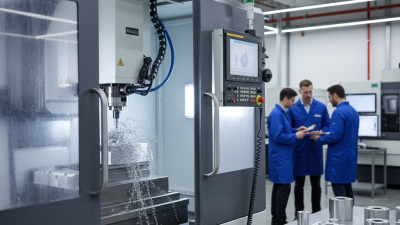
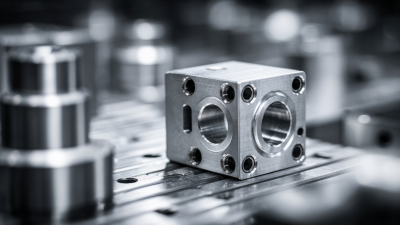
Core manufacturing processes determine whether a CNC supplier can deliver stable, repeatable parts. A capable workshop should combine three-axis milling, five-axis machining, turning, drilling, tapping, and wire EDM. These processes handle aluminum housings, stainless-steel shafts, tight bores, and complex angled surfaces. Small errors compound.
The 2024 CNC machine market report from Research and Markets projects continued global growth through 2028, driven by automation and higher precision requirements. This trend increases pressure on suppliers to control more than cutting speed. They need calibrated coordinate-measuring machines, tool-life monitoring, documented first-article inspection, and traceable material certificates. ISO 9001 systems help, but paperwork alone cannot replace practical process knowledge. A strong supplier can explain how cutting parameters, workholding, coolant temperature, and tool deflection affect a 0.02 mm tolerance.
Technical capability should also include design-for-manufacturing feedback.
For example, an internal corner radius may reduce machining time and prevent unnecessary tool stress. A supplier should review drawings against ISO 2768 or customer-defined tolerances before production.
Surface roughness testing, hardness checks, and statistical process control provide useful evidence when specifications are critical. The 2023 Deloitte advanced manufacturing survey identified quality consistency and skilled labor as major operational concerns. That matches shop-floor experience.
Even experienced teams can miss a burr inside a narrow slot. Careful sampling, realistic tolerances, and honest inspection records remain essential when selecting a precision CNC machining supplier.
How to Evaluate and Compare Chinese CNC Suppliers
Best China Precision CNC Machining Supplier?
Choosing a China precision CNC machining supplier requires more than comparing hourly rates. Ask for drawings, tolerances, material grades, and annual volume before reviewing a quotation. A serious supplier should explain its process, not simply promise accuracy. Request a first-article sample, inspection records, and material certificates. Check whether measurements come from calibrated tools, such as a CMM, micrometer, or height gauge. Small details matter. A clean inspection report should identify part numbers, revision levels, and actual readings.
During evaluation, inspect production evidence. Photos are useful, but a live video call can reveal machine condition, housekeeping, and work-in-process control. Ask how the supplier handles tool wear, heat treatment, surface finishing, and nonconforming parts. Traceability should reach the raw-material lot and inspection date. Lead time also needs testing; request a pilot order with a fixed quantity and delivery checkpoint. I once overvalued a low quotation. The hidden cost was repeated clarification and rework.
Compare suppliers using the same technical package. Score quality capability, communication speed, engineering support, capacity, and total landed cost. Do not reward impressive certificates alone. Verify their scope, validity, and relevance to your parts. A supplier may be excellent at aluminum housings but weak with tight stainless-steel threads. That distinction matters. Leave room for uncertainty: forecasts change, and even careful processes can produce variation. Ask how problems are documented, corrected, and prevented from returning.
How to Evaluate and Compare China Precision CNC Machining Suppliers
This weighted framework prioritizes measurable manufacturing factors: quality systems, process capability, inspection and traceability, material documentation, delivery performance, and communication. Use the same criteria and evidence requirements for every supplier before making a final decision.
From Design Submission to Production and Delivery
A reliable precision CNC machining supplier should make the first design submission feel practical, not mysterious. Engineers review 3D CAD files, 2D drawings, tolerances, materials, and surface requirements before quoting. I have found that small omissions create large delays. A missing datum or unclear thread specification can stop a part during programming. The supplier should ask focused questions and suggest manufacturable changes without weakening function. Good feedback may include larger internal radii, revised wall thickness, or a better clamping direction. These details reveal process knowledge.
After approval, production moves through programming, material verification, tooling, and first-piece inspection. Each stage needs traceable records. Operators measure critical dimensions with calibrated equipment, while inspectors compare results against the drawing and agreed tolerances. For complex parts, a documented inspection report reduces uncertainty. It is not decoration. It supports decisions. Small-batch work also benefits from process control because repeatability matters as much as the first successful part. Still, no process is perfect. Tool wear, heat, and setup changes can influence results, so realistic tolerance planning deserves a second look.
Delivery begins before the boxes leave the workshop. Parts should be cleaned, protected, labeled, and packed for their actual route and handling conditions. Clear shipment updates help production teams plan assembly. A dependable supplier explains delays early, rather than hiding them behind vague promises. Lead time should include inspection and packing, not only machining hours. When design files change, revision control must follow every department. That simple discipline prevents outdated drawings from reaching the machine. The best supplier remains technically honest from design submission to production and delivery.