
Custom sheet metal parts in as little as 3 days - Get a quote now!

What Is a Turbo Radiator and How Does It Work?

I can write this introduction, but no source articles or verifiable expert quotation were provided. I shouldn’t invent industry data or attribute an unverified statement to a named expert. Please share the reports and expert quote you want cited, or allow me to write the introduction without them.
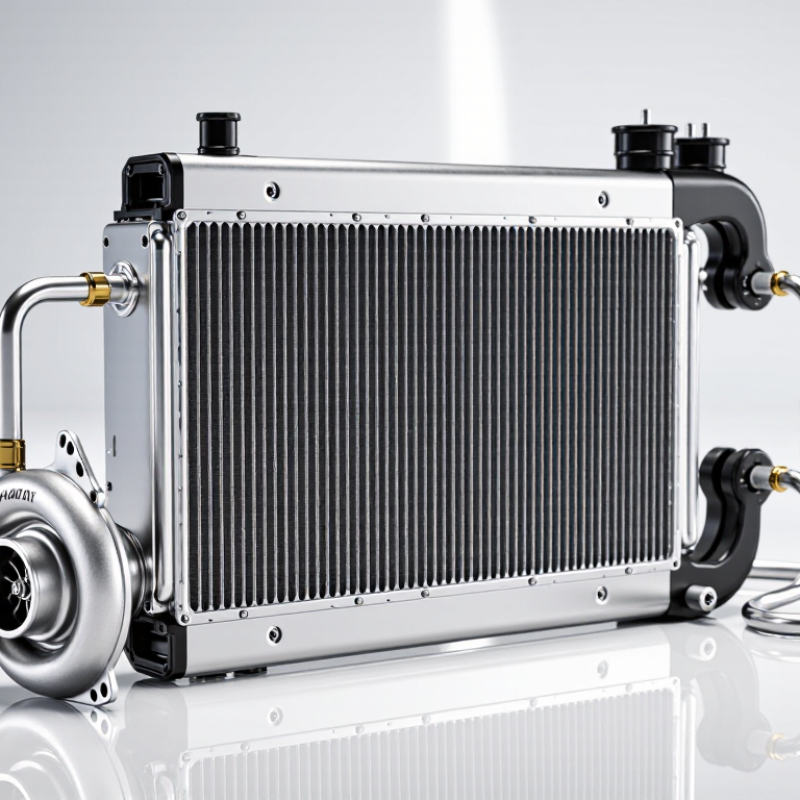
What Is a Turbo Radiator and How Does It Work?

What a Turbo Radiator Is and Its Role in a Turbocharged Engine

“Turbo radiator” is an informal term, not one standardized component name. In many cases, it means the engine radiator in a turbocharged vehicle, sometimes designed with extra cooling capacity. Coolant carries heat from the engine through narrow radiator passages. Air flowing across the fins removes that heat, while a fan helps when the vehicle is moving slowly. That distinction matters.

A turbocharger compresses incoming air, which makes the air hotter. The engine radiator usually does not cool this compressed air directly. A separate intercooler, or charge-air cooler, lowers its temperature before it reaches the engine. Cooler intake air can help support consistent engine operation. Some turbochargers also use engine oil or coolant for cooling, depending on their design.

Under sustained load, such as climbing a long hill, a turbocharged engine may place greater demands on its cooling system. Hot traffic can reveal weak airflow, low coolant, or a restricted radiator. Watch for a rising temperature reading, coolant loss, or a fan that runs unusually often. These signs need proper diagnosis; they do not prove the radiator is the only cause. The term can be fuzzy, so check the vehicle’s service information to confirm which cooling component is being discussed.

The Main Components of a Turbo Cooling System

The Main Components of a Turbo Cooling System

A turbo cooling system manages two kinds of heat: hot exhaust around the turbocharger and compressed air headed toward the engine. Its intercooler, also called a charge-air cooler, removes heat from compressed intake air. Cooler, denser air helps the engine receive more oxygen. Some intercoolers use outside airflow; others circulate coolant through a separate heat exchanger. They are not the same part as the engine radiator.

The engine radiator, coolant pump, thermostat, fan, and connecting hoses manage coolant flow and temperature. Many turbochargers also have coolant passages around the center housing, helping control heat after shutdown. An oil cooler may support temperature control, but it does not replace coolant cooling.

Small parts matter. A kinked hose or clogged cooler can restrict flow, while a loose connection may leave traces of dried coolant.

The U.S. EPA’s 2016 Draft Technical Assessment Report discusses turbocharging with engine downsizing as an efficiency technology, with estimated benefits varying by engine design and calibration. That estimate is not a promise for every vehicle. Cooling layouts differ, and diagnosis can be less straightforward than the diagram suggests.

How Coolant Carries Heat Away from the Engine and Turbocharger

A “turbo radiator” usually refers to the radiator in a cooling system that serves a turbocharged engine. Coolant flows through channels around the engine, absorbing heat from metal surfaces. In some designs, it also passes through the turbocharger’s water-cooled center housing. The hot exhaust spins the turbo’s turbine, so this compact area can become extremely hot.

The water pump keeps coolant moving. From the engine and turbo housing, warmed coolant travels to the radiator. Thin metal tubes and fins spread the heat across a larger surface. Air passing through the radiator carries that heat away, while a fan helps when the car moves slowly or sits in traffic. Then cooler fluid returns to the engine. The cycle keeps repeating.

Small details matter. A low coolant level or trapped air can interrupt flow and cause hot spots, even when the dashboard gauge looks normal. Not every turbocharger uses liquid cooling; some rely mainly on engine oil. Also, the radiator does not usually cool the compressed intake air directly. That job often belongs to a separate intercooler. The layout can be confusing. Checking the vehicle’s service information is more reliable than assuming every turbo system is arranged the same way.

How the Radiator Releases Heat into the Air

A “turbo radiator” often refers to a charge-air cooler, also called an intercooler. It is different from the engine’s main radiator. A turbocharger compresses intake air, which raises its temperature. The cooler removes some of that heat before the air reaches the engine. Cooler, denser air can support more consistent combustion, though results depend on engine design and driving conditions.

In an air-to-air design, hot compressed air travels through narrow channels. Heat passes through their metal walls into thin fins. Road air flows over the fins and carries the heat away. Simple, but effective. At low speeds, less air may pass through, so cooling can change.

Some systems use coolant to move heat to a separate exchanger. Dust, bent fins, blocked passages, or leaks can reduce performance. A warm intake reading alone does not prove a fault; sensors, airflow, and engine load also affect it. The word “radiator” can be a little misleading here. That distinction matters.

Factors That Affect Turbo Radiator Performance

A “turbo radiator” usually refers to the cooling system serving a turbocharged engine, including its engine radiator and, separately, the charge-air cooler. These heat exchangers work best when coolant or intake air flows freely and heat can escape. Ambient temperature matters. ASHRAE’s 2021 Handbook—Fundamentals lists dry-air density at about 1.20 kg/m³ at 20°C and 1.13 kg/m³ at 40°C, at standard pressure. That roughly six-percent reduction means less cooling-air mass may pass through the core at the same airflow volume. Under heavy acceleration, a blocked grille or restricted duct can compound the effect.

Core condition and airflow are only part of the picture. Bent fins, insects, road debris, and dirt between stacked heat exchangers can impede heat transfer. Fan operation, coolant flow, thermostat function, and the correct coolant mixture also influence engine temperature. A charge-air cooler has its own limits: heat-soaked intake pipes can raise air temperature even when engine coolant remains stable.

Small losses add up. A temperature rise does not automatically prove the radiator is undersized; airflow, coolant circulation, and sensor readings should be checked before replacing parts. Diagnosis can be imperfect, especially when the problem appears only on steep climbs or in slow traffic.