Top 10 Trench Pipe Manufacturers for Global Buyers
Reliable Trench Pipe selection begins beneath the surface. A specification may look sound on paper, yet clay, groundwater, traffic loads, and tight access can change installation risks. Buyers need manufacturers that explain material options, joint design, load ratings, testing, and delivery limits clearly. Small details matter. A gasket that seats unevenly can become a costly field problem.
The U.S. Environmental Protection Agency’s 2022 Clean Watersheds Needs Survey estimated $630.1 billion in wastewater infrastructure needs over 20 years. The OECD’s Environmental Outlook to 2050 projected a 55% rise in global water demand between 2000 and 2050. These figures do not measure Trench Pipe sales. They do show why durable drainage and wastewater assets deserve careful sourcing. For a practical engineering lens, Dr. Samuel Ariaratnam’s published work on trenchless construction points buyers toward matching installation methods with ground conditions and asset life. In paraphrase: choose for the site, not price alone.
This guide compares ten manufacturers for global buyers, focusing on product scope, technical documentation, quality controls, export experience, and support after delivery. The ranking should be treated as a starting point, not a universal verdict. Project requirements vary. A strong supplier in one region may have limited stock or service elsewhere. Buyers should confirm current certifications, manufacturing capacity, and local specifications directly. That step is easy to overlook. It should not be.
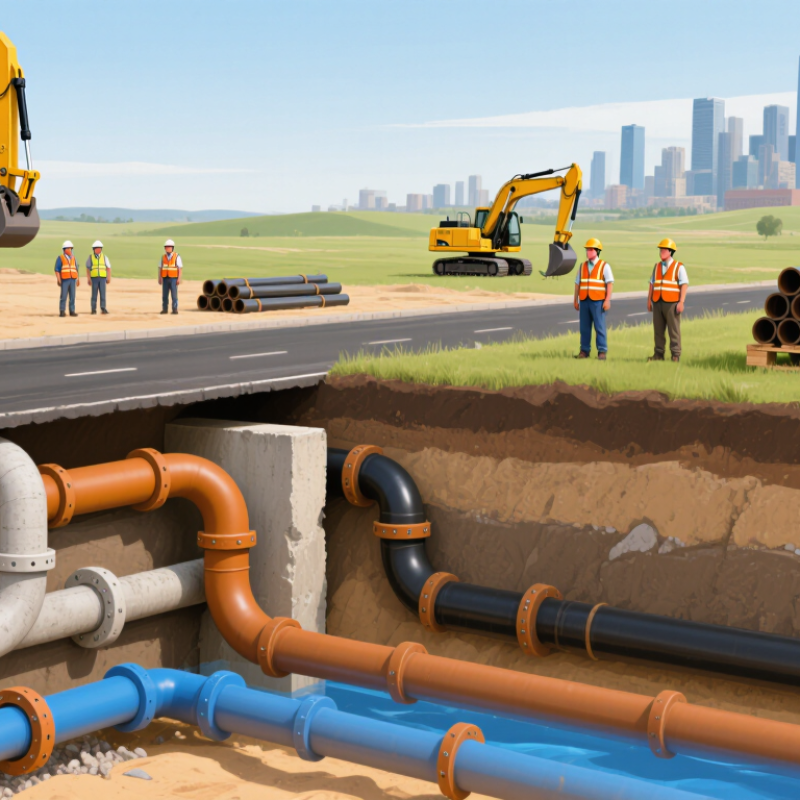
What Trench Pipes Are: Concrete, PVC, HDPE, Steel, and Ductile Iron
A trench pipe is a buried conduit, but its material changes how it handles soil loads, water, and installation. The US EPA’s 2022 Clean Watersheds Needs Survey estimates $630.1 billion in wastewater and stormwater infrastructure needs over 20 years. That scale makes material selection and installation quality practical concerns, not just design details.
Concrete pipe suits many gravity sewers and large-diameter runs, but its weight demands lifting equipment and carefully prepared bedding. PVC is light and corrosion-resistant, with a smooth bore that supports flow; uneven backfill can still cause trouble. HDPE’s flexibility and fused joints can help where ground movement is expected. But fusion quality and handling deserve close inspection. Ground conditions matter.
Steel offers high strength for demanding loads, though coatings and corrosion protection need attention. Ductile iron is common in pressure applications and can withstand substantial handling stresses, but soil conditions may call for added external protection. The EPA’s 2023 Drinking Water Infrastructure Needs Survey estimates $625 billion in needs over 20 years. That figure describes system investment, not a ranking of pipe materials. Engineers still need to match pipe, joints, bedding, and inspection plans to the site. A specification that looks sound on paper may miss groundwater, traffic loads, or rushed compaction in the trench.
Top Trench Pipe Materials: Typical Density Comparison
Representative material densities in kilograms per cubic metre (kg/m³).
Approximate reference values: concrete 2,400; PVC 1,400; HDPE 950; steel 7,850; and ductile iron 7,100 kg/m³. Actual density varies by mix, grade, and formulation. Density alone does not determine pipe suitability; pressure rating, installation conditions, and applicable standards also matter.
Which Standards Apply: AWWA C906 Covers PE Pipe from 4 to 65 Inches
AWWA C906-21 covers polyethylene pressure pipe and fittings for waterworks in nominal sizes from 4 to 65 inches. That range matters when comparing suppliers: a 24-inch line and a 60-inch transmission main may both fall within the standard, but they do not share the same design needs. The American Water Works Association standard sets product requirements; it does not choose the right pipe for every trench.
The Plastics Pipe Institute’s Handbook of PE Pipe explains how dimension ratio (DR) relates wall thickness to outside diameter. Lower DR means a thicker wall, but buyers should compare the specified pressure rating, material designation, operating temperature, and jointing method—not just diameter. Check that submittals identify the applicable C906 edition and match the project’s drawings and specifications.
Small detail. Big consequence.
A standard-compliant pipe can still be poorly suited to a job if soil loads, groundwater, handling, or installation practices are overlooked. C906 is not a substitute for project-specific engineering. I would also verify third-party documentation and local approval requirements before purchase; paperwork can look complete while leaving a key detail unclear.
Industry references: AWWA C906-21 and the Plastics Pipe Institute’s Handbook of PE Pipe.
How to Compare the Top 10 Manufacturers by Product Range and Certifications
Comparing the top 10 trench pipe manufacturers starts with the products your project actually needs. Check available materials, diameters, wall thicknesses, joint systems, and matching fittings. A supplier may offer a broad catalog, yet lack the exact bend, coupling, or pipe length required for a narrow trench. Ask for product drawings and installation data, not just a catalog page. Small details matter.
Certifications should match the specific pipe type and intended use. Review the certificate’s issuing body, scope, test standards, and expiration date. Confirm that the documents cover the manufacturing site and product range being quoted. A certification logo alone is not enough. Compare test reports, quality-control records, and traceability details across suppliers. Requirements can vary by project and region, so confirm them with the project engineer or purchasing team.
Tips: Build a comparison sheet with columns for sizes, materials, joints, fittings, certifications, and document dates. Request the same information from each manufacturer. This makes gaps easier to spot. One caveat: supplier responses may use different terms for similar features, so clarify definitions before ranking them.
What Global Buyers Should Verify: Quality, Lead Times, Logistics, and Support
A low price means little if pipe arrives with mixed heat numbers or an incomplete test file. Ask each manufacturer for material certificates, traceability records, dimensional inspection results, and hydrostatic test procedures. For coated pipe, request coating thickness readings and holiday-test records where applicable. Check that samples match the stated grade, wall thickness, and project specification. A polished certificate is not proof that every bundle was inspected. Verify how rejected pieces are identified and replaced.
Lead times need evidence, not reassurance. Request a dated production schedule showing raw-material availability, inspection windows, packing, and dispatch. The World Bank’s 2023 Logistics Performance Index, covering 139 economies, reported an average 44 days from port entry to destination warehouse. That makes buffer time worth discussing, especially when routes or port handling change. UNCTAD’s Review of Maritime Transport 2024 reported seaborne trade grew 2.4% in 2023, while warning that disruptions can raise costs and delay deliveries. Confirm loading plans, protective end caps, bundle labels, shipping documents, and who handles damage claims. Small details matter.
Tips: Ask for recent shipment references, not only a capacity statement. Put milestone dates and document requirements in the purchase order. Keep one contact responsible for technical questions and delivery updates. I still would not treat a promised date as certainty; even a careful plan can slip when material testing finds a defect.
