
When it comes to welding, safety is paramount. Choosing the right Welding Protection gear can prevent serious injuries. The importance of welding protection cannot be overstated. From sparks to UV rays, welders face numerous hazards.
Many might think a simple helmet is enough. However, the reality is different. Various types of welding require specific gear. For example, MIG, TIG, and stick welding all have unique risks. Selecting unsuitable equipment can lead to burns and vision damage.
Take time to evaluate each option. Consider factors like material, fit, and comfort. Cheap gear may look appealing but often falls short on safety. Reflect on your welding environment, too. Don't underestimate the hazards of flying debris or toxic fumes. Making informed choices will safeguard your health and enhance your performance.
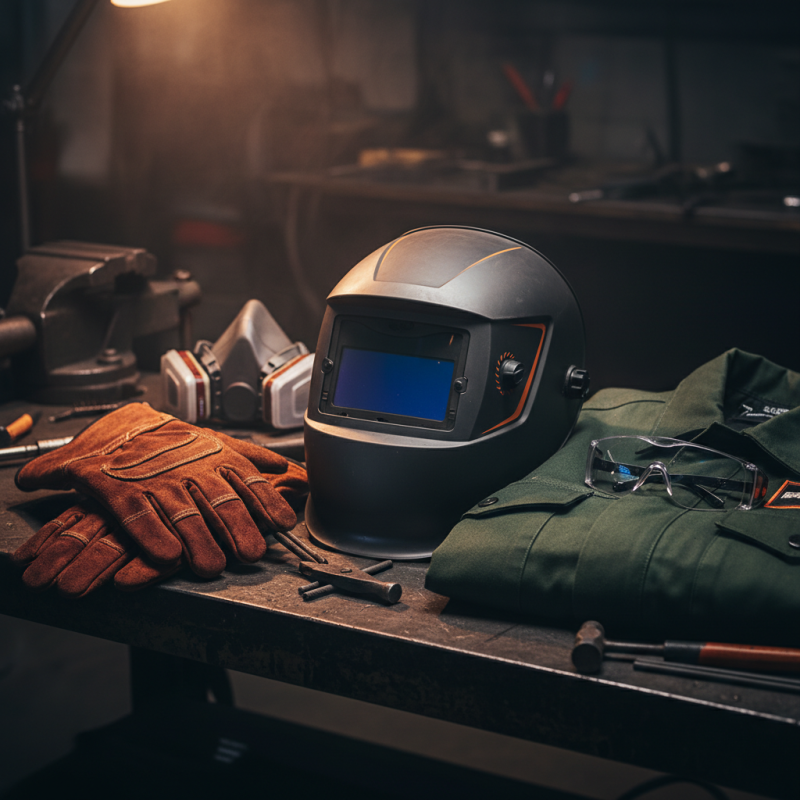
Welding protection gear is not just an option; it's a necessity. According to the American Welding Society, over 400,000 people work as welders in the U.S. These workers face significant risks daily. The hazards include exposure to intense heat, ultraviolet light, and flying metal particles. Proper gear minimizes these risks.
Protective clothing must withstand high temperatures. Flame-resistant fabrics are essential. Gloves should offer dexterity and heat resistance. According to industry reports, nearly 25% of welders experience burns or eye injuries. This statistic highlights the urgency to invest in quality gear.
Even with precautions, workers often overlook safety. Some may rely on mediocre equipment. This mindset can lead to severe injuries. Inadequate protection increases the likelihood of accidents. Regular training on the importance of gear can help change this perspective. Focus on continuous education in the workplace promotes safer practices.
When choosing welding protection equipment, it’s crucial to know the different types available. Each type serves a specific purpose. For example, welding helmets protect your face and eyes from bright flashes and harmful rays. Many helmets have adjustable lenses. This feature helps to accommodate different types of welding processes.
In addition to helmets, gloves play a significant role. They should provide both heat and cut protection. Look for gloves that are durable yet flexible. The right pair offers a good grip. Similarly, protective clothing is essential. Long sleeves and thick fabrics can prevent burns. However, finding the perfect fit can sometimes be a challenge. Oversized clothing may snag on equipment, while overly tight clothes can restrict movement.
Don’t forget about proper footwear. Steel-toed boots can shield your feet from falling objects. The soles should be slip-resistant for safety on wet surfaces. Many overlook these details, but they are critical. Reflect on your workspace and the potential hazards present. Choosing the right gear is a process that requires attention. Test different options before making a final decision.
When selecting welding protection gear, safety helmets and masks are critical components. According to the Occupational Safety and Health Administration (OSHA), approximately 2,000 eye injuries occur daily in the U.S. workplace. Therefore, the right gear can significantly reduce these incidents. Focus on features like lens shade, material, and comfort. An adjustable helmet allows for a better fit, which can enhance protection. A comfortable fit encourages consistent use.
Look for helmets with a lens that provides UV and IR protection. High-quality auto-darkening helmets are essential. They adjust automatically to the brightness of the arc, allowing for better visibility. Features like a wide viewing area can enhance your field of vision. This aspect can impact decision-making during critical moments. Interestingly, a study by the National Institute for Occupational Safety and Health (NIOSH) found that 40% of workers reported discomfort due to insufficient vision.
Don’t overlook helmet materials. Those made from high-impact resistant materials provide better durability. However, weight can be an issue. A heavier helmet can lead to neck strain over time, affecting worker performance. It's important to balance protection with comfort. In this field, sometimes the serious deficiencies in gear can lead to long-term health risks. Consider user feedback; real-world experiences can reveal surprising flaws in design and functionality.
Choosing the right clothing and gloves for welding is crucial. Welders face many hazards, including sparks and heat. The right gear can provide essential protection. Look for clothing made from flame-resistant materials. Cotton is not enough. It can ignite and burn easily.
Gloves are equally important. They should fit well and be made from heat-resistant materials. Thick leather gloves are a popular choice. They protect hands from high temperatures. Look for gloves that allow for dexterity. You still need to grip your tools securely.
Remember, welding is not just about safety gear; it’s also about comfort. Ill-fitting clothes can be distracting. They might get caught in equipment. This risk can lead to injuries. Reflect on your working environment. Factors like temperature and airflow can impact your comfort and safety. Always assess your gear regularly. Check for signs of wear and tear. Safety should always be a priority.
| Protection Gear | Material | Key Features | Recommended Use |
|---|---|---|---|
| Welding Helmet | Polycarbonate | Auto-darkening lens, Adjustable headband | Arc welding, MIG welding |
| Welding Jacket | Leather or Cotton | Flame-resistant, Durable stitching | General welding tasks |
| Welding Gloves | Leather | Heat-resistant, Flexible design | MIG, TIG, Stick welding |
| Welding Boots | Leather or Steel-toed | Slip-resistant, Steel toe protection | Heavy-duty welding |
| Face Shield | Polycarbonate | Impact-resistant, Full coverage | Grind or cut operations |
When it comes to welding, protection gear is essential. However, maintaining this gear often gets overlooked. Regular maintenance not only prolongs the life of your gear but also ensures optimal safety. According to industry reports, improperly cared for gear can decrease its protective quality by up to 30%.
Cleaning your helmet and gloves after each use is crucial. Dust, spatter, and chemicals can degrade materials. Use mild cleaning agents and soft cloths to avoid scratches. Additionally, inspect your gear regularly for signs of wear. Pay attention to seams and straps. Frayed edges can be a major concern. Replace damaged items promptly.