What Are the Top Metal Surface Finishing Types in 2026?
Metal Surface Finishing is more than the final shine on a part. It can help control corrosion, wear, friction, cleanability, and appearance. In 2026, choosing a finish still begins with the metal, the operating environment, and the performance the part must deliver. A bright aluminum panel, a salt-exposed fastener, and a sliding steel component need different solutions.
Donald M. Mattox, a respected authority on physical vapor deposition and surface engineering, provides a useful technical perspective. Paraphrasing that perspective: a coating should be evaluated as part of the complete process, not as an isolated layer. That distinction matters. A coating may look uniform under workshop lights yet fail where edges, holes, or moving contacts face concentrated stress.
This guide examines widely used options, including anodizing, powder coating, electroplating, passivation, electropolishing, and physical vapor deposition. Each has trade-offs. Anodizing can suit aluminum components; powder coating can create a durable colored shell; and PVD can add a thin functional coating. The best choice depends on the substrate, part geometry, production volume, and inspection plan.
Small details count. A scratched panel edge can expose a weak point. A tight threaded fit can change after coating. And a polished surface is not automatically a more reliable one. The 2026 landscape will reward careful testing, clear specifications, and honest review of failure data. Some choices remain imperfect. That is worth admitting before parts reach service.
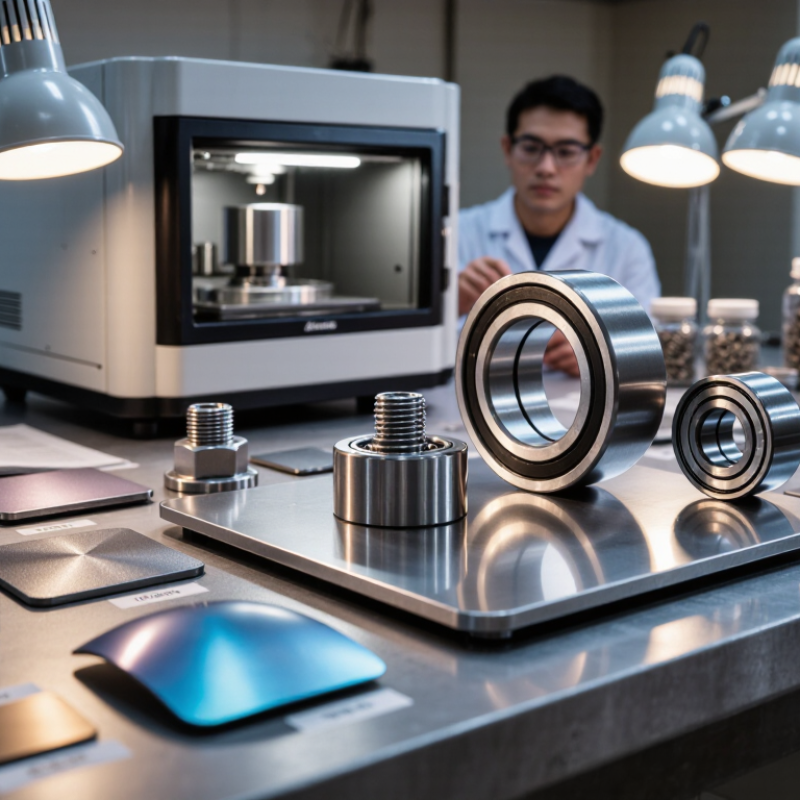
How Metal Surface Finishing Changes a Part’s Surface
A metal finish changes the surface a part presents to its surroundings. Abrasive blasting leaves a textured profile that can help a coating grip, while polishing reduces peaks and creates a smoother contact face. That difference is tangible: a rough edge may trap residue, while a polished bearing surface can reduce friction. But smoother is not always better. A finish can also remove material, soften sharp details, or change how tightly parts fit.
The NACE International IMPACT study estimated global corrosion costs at US$2.5 trillion annually, or 3.4% of global GDP, and reported that corrosion-control practices could save 15–35% of those costs.
Those figures help explain why finish selection is functional, not merely cosmetic. Zinc plating, anodizing, and passivation each create different surface conditions and protective behavior; the right choice depends on the metal, environment, and contact points. One detail is easy to overlook: coating thickness can affect tolerances. A few micrometres may matter on a threaded joint. Check the finished part, not just the process specification, and verify roughness or coating thickness where performance depends on it. The report gives a broad economic picture, not a guarantee that any one finish will prevent failure.
What Properties Determine the Right Finishing Method?
The right metal finish depends on the part’s material, working conditions, and required appearance. Start with the base metal. Aluminum can be anodized to improve surface durability and add color, while stainless steel may need passivation to support its corrosion resistance. A finish suitable for one alloy may not perform the same way on another.
Consider what the part will face. A bracket exposed to moisture needs different protection from a decorative panel kept indoors. Abrasion, chemicals, heat, and salt in the air can all affect finish life. For wear resistance, hard coatings or plating may be appropriate; for broad color coverage, powder coating is often considered. But coatings add thickness. Check tight fits, threaded holes, and moving surfaces before selecting a process. Small differences matter.
Appearance and production needs count, too. Polishing can create a reflective surface, but it may reveal scratches that were easy to miss before finishing. Surface preparation is critical: oil, scale, or rough edges can reduce coating quality. Ask for sample parts when appearance or performance is uncertain. That takes time. It can still prevent a costly mismatch. The best choice is not always obvious, and a finish that looks good on a sample may behave differently in the actual service environment.
Which Metal Finishing Types Lead in 2026?
In 2026, electroplating, anodizing, powder coating, and thermal spray remain leading choices, but no single process suits every part. Electroplating deposits a thin metal layer for corrosion resistance and conductivity. Anodizing strengthens aluminum’s surface while preserving a clean, often matte appearance. Powder coating creates a durable finish on railings, appliance panels, and other components needing consistent color.
Market figures offer useful context, not a universal ranking. Grand View Research valued the global metal finishing market at USD 104.7 billion in 2023 and projected 4.9% annual growth through 2030. Fortune Business Insights estimated the powder coatings market at USD 15.04 billion in 2023, with growth projected through 2032. That points to sustained demand. It does not prove powder coating leads every application.
For high-volume steel hardware, zinc or nickel electroplating can provide practical protection. Aluminum housings often favor anodizing, especially when surface wear matters. Powder coating suits broad, colored surfaces; thermal spray is useful where thicker protective layers are needed.
A close call. Real-world selection depends on substrate, shape, wear, and production cost. Even a strong finish can fail at sharp edges or poorly prepared surfaces, so process trials and adhesion checks matter. Industry reports describe market activity, not performance guarantees for a specific component.
How the Main Finishing Processes Compare
What Are the Top Metal Surface Finishing Types in 2026? How the Main Finishing Processes Compare
Choosing a finish depends on the metal, part geometry, service environment, and required appearance. Anodizing converts the surface of aluminum into a harder oxide layer, adding corrosion resistance without a separate paint film. Electroplating deposits another metal, which can improve conductivity, wear resistance, or appearance; coverage may vary around sharp edges and recessed holes. Small parts differ. Passivation suits stainless steel, helping preserve its protective oxide layer while adding little measurable thickness.
Powder coating forms a colored polymer layer and works well on larger components needing a durable, consistent appearance. Chips can expose the metal beneath it, though. Physical vapor deposition creates thin, hard coatings, but complex shapes may receive uneven coverage. NACE International’s 2016 IMPACT study estimated global corrosion costs at $2.5 trillion annually, about 3.4% of global GDP. That figure puts protective finishing in perspective, but it does not identify one best process. A thin coating may suit a close-tolerance shaft; a painted bracket may need better impact protection. There is no perfect finish. Specifying only “corrosion resistant” leaves important questions unanswered: salt exposure, cleaning chemicals, coating thickness, and acceptable wear all matter. One detail is easy to miss: the substrate and pretreatment can affect performance as much as the finish itself.
What Are the Top Metal Surface Finishing Types in 2026?
How the main finishing processes compare by typical coating or oxide-layer thickness.
Thickness varies with the material, specification, and application. These indicative ranges are not a direct measure of performance: anodizing forms an oxide layer on aluminum, while the other processes deposit a coating.
How to Match a Finish to Its Application
When choosing a metal finish, start with the part’s working conditions, not a color chart. A machine bracket near road spray needs corrosion protection and easy cleaning. Powder coating can provide a tough, even layer, but chipped edges may expose the metal beneath. For aluminum parts where dimensions matter, anodizing adds a controlled oxide layer and often preserves a crisp machined look. Check the drawing: even thin finishes can affect fits.
Moving components need a different decision. A plated surface may reduce friction or improve wear, depending on the metal and process. For food equipment or fluid passages, electropolishing can smooth tiny surface irregularities and make cleaning easier. It is not a cure for poor welds or bad geometry. Inspect the actual contact areas.
Appearance still matters, but match it to maintenance. A polished finish can show fingerprints; a textured coating may hide them but collect dust. Ask the finisher for thickness and performance data relevant to your environment, then review a sample made from the same alloy. Test a sample first. That step is easy to skip, and sometimes it reveals a mismatch before production. Specify the finish, substrate, and acceptable appearance together; vague notes can lead to inconsistent results.
