Why Choose Super Intalox Saddle for Tower Packing?
Packed towers rarely fail because of one dramatic mistake. More often, performance slips when liquid spreads unevenly, pressure drop rises, or the packing does not match the operating load. A Super Intalox Saddle is designed to provide open flow paths and substantial contact area, but those features do not guarantee results on their own. Small details matter. Liquid distributors, bed depth, fouling tendency, and material compatibility all shape tower performance.
Industry references help put the choice on firmer ground. The GPSA Engineering Data Book and manufacturers’ published random-packing performance charts report design factors such as capacity, pressure drop, and mass-transfer performance. These values must be checked against the tower’s actual vapor and liquid rates; a chart is not a substitute for process-specific rating. Henry Z. Kister, a widely recognized distillation specialist, states a warning often cited in tower troubleshooting: “The most common cause of poor tower performance is poor liquid distribution.” That observation is relevant to saddle packing, too. Even a well-selected bed cannot correct a badly designed distributor.
So why choose a Super Intalox Saddle? Its geometry can offer a practical balance of open structure, contact, and hydraulic capacity in suitable services. The honest answer depends on the duty. Compare supplier data, verify the operating envelope, and inspect distribution assumptions before specifying it. There is no universal winner. A careful review may show that another packing is better for a particular tower—and that is worth admitting.
What Is a Super Intalox Saddle?
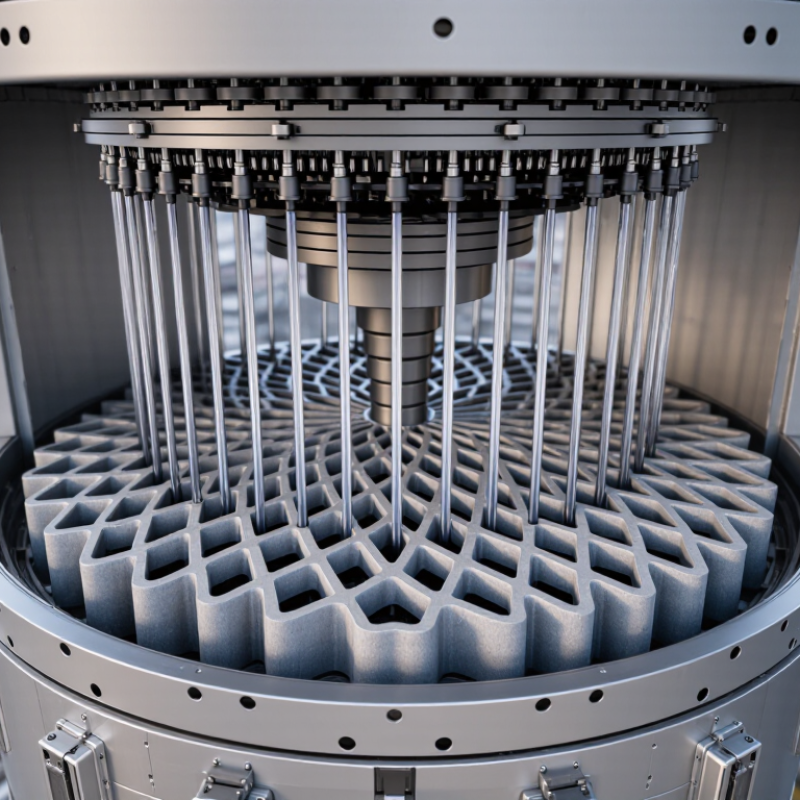
A Super Intalox saddle is a piece of random tower packing with a curved, open saddle-like shape. Its contoured surfaces and openings give vapor and liquid several paths through a packed bed. Compared with simple rings, the shape is designed to spread liquid across more surface while leaving space for vapor to rise. Small details matter: a wet, well-distributed surface supports mass transfer, while open passages help limit resistance to flow. Not magic.
These saddles are commonly made from ceramic, metal, or plastic, with the suitable material depending on temperature, chemical exposure, and mechanical demands. In a tower, they are poured in rather than arranged by hand, so their orientation varies. That variation is useful, but it also means performance depends on proper loading and liquid distribution. A packing choice should consider the tower diameter, operating rate, and risk of fouling, not just advertised surface area. The name can sound more exact than the real operating conditions allow. Even a well-designed saddle may underperform if liquid enters unevenly or the bed is poorly supported. A practical review of the process is still needed.
How Its Shape Supports Mass Transfer
Open-window saddle packing supports mass transfer through geometry, not surface area alone. Its curved ribs and broad windows let liquid spread across several faces while preserving paths for rising gas. More wetted area can improve gas–liquid contact, but only when irrigation stays even. Dry patches matter. The open structure also reduces abrupt flow blockage, helping limit local resistance through the bed. Performance still depends on tower loading, fluid properties, and distributor quality—not shape alone.
The U.S. EPA’s 2003 Packed-Bed/Packed-Tower Scrubber fact sheet reports typical packed-bed pressure drops of about 0.5–1.0 inches of water per foot of packing. This is a general operating range, not a guaranteed value for any saddle geometry. Not guaranteed. Engineers should compare pressure drop and removal efficiency across several gas and liquid rates, then check for maldistribution or fouling. Small channels can still plug. Pilot testing or a validated model can help assess wetting, especially with viscous or solids-bearing liquids. More contact may improve transfer, while excess liquid holdup can narrow gas paths.
Key Performance Benefits in Tower Packing
A saddle-shaped random packing can improve tower performance by exposing more wetted surface while keeping vapor paths relatively open. Its curved surfaces encourage liquid spreading, which supports gas–liquid contact in absorption and stripping. The practical gain is not simply “more area”; stable wetting and manageable pressure drop matter just as much. At the packing bed, look for dry patches, channeling, or liquid pooling—small clues that distribution may be limiting performance.
Capacity needs careful checking. The GPSA Engineering Data Book, 14th edition, uses flooding capacity as a key packed-column design reference; operating around 70–80% of predicted flooding is a common starting range, not a universal rule. Actual limits depend on fluid properties, packing size, bed depth, and distributor quality. A saddle’s shape alone cannot prevent flooding. Measure pressure drop across the bed and compare it with a clean operating baseline. One caveat: published capacity estimates can differ, so pilot or plant data should guide final sizing. A few millimeters of uneven liquid distribution can erase theoretical gains.
Industries and Processes That Use It
Super Intalox saddle packing is used in chemical processing, fertilizer production, gas treatment, and refining. These industries rely on packed towers for distillation, absorption, or stripping. Its open shape gives vapor and liquid pathways across the packing bed. This can support effective contact while helping limit pressure drop. In gas-treatment systems, for example, liquid flows over the saddles as rising gas passes through the tower. The same basic contact principle applies in solvent recovery and selected scrubbing processes. Conditions matter.
Tips: Check liquid distribution, tower diameter, and operating flow rates before choosing packing. Poor distribution can leave dry areas, even with well-shaped saddles. Also review material compatibility and the possibility of fouling. Small details count.
Packing choice is not a shortcut to good tower performance. Existing internals, feed composition, temperature, and maintenance access all affect results. A saddle may suit a retrofit where pressure drop is a concern, but it will not solve every hydraulic problem. Engineers should compare expected capacity and separation needs with operating data. Field measurements are useful, though they may be incomplete. That uncertainty deserves attention.
Factors for Selecting and Operating the Packing
Selecting tower packing starts with the process, not the shape. Check gas and liquid rates, operating temperature, corrosion risk, and the chance of solids or scale. A saddle’s open passages can support gas flow, but poor liquid distribution may leave dry zones and reduce contact. Measure the available tower diameter and height, too; a high-capacity packing is no help if the distributor cannot wet it evenly.
Pressure drop, capacity, and mass-transfer efficiency must be weighed together. The U.S. EPA’s Packed-Bed/Packed-Tower Scrubber fact sheet reports gas-absorption control efficiencies commonly around 95–99%, but that range depends on system design and operating conditions. It is not a packing guarantee.
During operation, track pressure drop and liquid flow, and inspect for fouling, channeling, or damaged support grids. Small details matter. A clean calculation can still miss a poorly leveled distributor—a practical weakness worth checking during commissioning.
Keep a baseline from stable operation, then compare readings after process changes. Not always obvious. A gradual pressure-drop rise may signal deposits before operators see uneven wetting.
