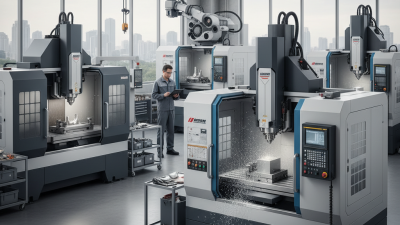
A steel CNC machine uses computer-controlled tools to cut, drill, mill, or shape steel parts with repeatable accuracy. In a workshop, that may mean turning a steel shaft to a specified diameter, drilling aligned holes in a mounting plate, or milling a flat surface on a heavy bracket. The machine follows programmed instructions, while the operator selects suitable tooling, workholding, and cutting conditions. It is precise, but not automatic magic.
These machines serve manufacturers in construction, automotive production, energy, machinery, and metal fabrication. A steel CNC machine can handle both one-off components and repeated production runs, depending on its configuration and the job. Common options include CNC lathes for round parts and machining centers for milling and drilling. Steel grades behave differently under the cutter; hardness, heat, and chip formation all affect tool life and finish. Small choices matter.
The right machine depends on part size, required tolerances, production volume, and available floor space. A compact mill may suit repair work, while a rigid, high-capacity machine is better for large components and sustained cutting. Buyers should also consider spindle power, axis travel, coolant delivery, guarding, and service support. These details are easy to overlook when comparing headline specifications. And specifications never tell the whole story. Actual results depend on setup, maintenance, and operator skill, so production claims should be checked against the intended material and process. This guide explains what steel CNC machines are used for, how common machine types differ, and what to assess before choosing one.
What a Steel CNC Machine Does: Milling, Turning, Drilling, and Cutting
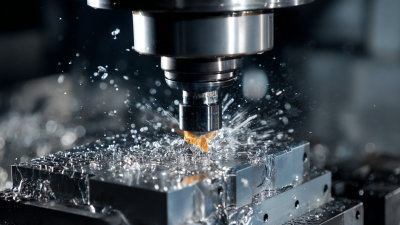
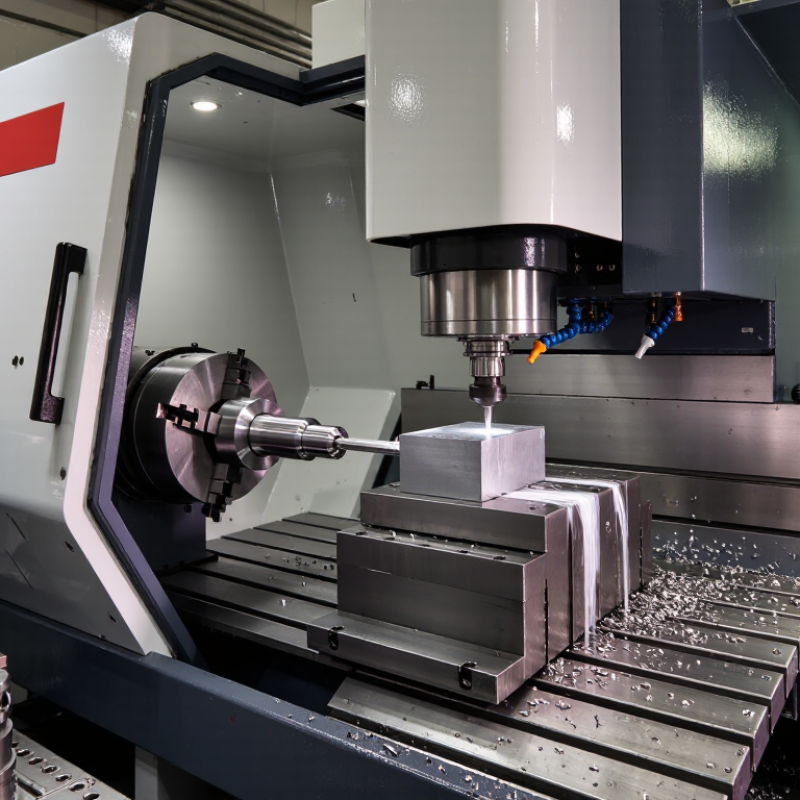
A steel CNC machine removes material from a steel workpiece using programmed tool movements. In milling, a rotating cutter shapes flat faces, slots, pockets, and edges. A machinist might use it to make a bracket with a recessed pocket and four mounting holes. Turning works differently: the steel bar rotates while a cutting tool shapes its outside diameter or creates a shoulder. These operations can produce parts with consistent dimensions, but the result depends on the setup, tool condition, and material.
Drilling creates round holes for fasteners, pins, or later machining. Cutting separates stock to length or trims a profile. Some machines perform several of these tasks in one setup; others handle only certain operations. That distinction matters. A toolpath may look correct on screen, yet a loose workpiece or worn cutter can leave rough edges or inaccurate features. CNC control helps repeat a process, but it does not replace inspection with measuring tools.
Tips: Clamp the steel securely and choose a cutter suited to the material and operation. Check the first part’s dimensions before running a full batch. Clear chips safely and monitor heat; cutting conditions sometimes need adjustment, even when the program seems right.
A steel CNC machine converts a part design into precise cutting movements. CAD defines the shape, hole locations, and tolerances. CAM then turns that geometry into toolpaths: instructions for where each cutter travels, how fast it moves, and how much material it removes. Small details matter. A misplaced hole or overly tight corner can change the machining strategy.
For a steel mounting plate, the toolpath may begin with rough cuts that clear the main outline. Later passes create slots, drilled holes, and smooth bearing surfaces. The machinist checks the stock size, secures the workpiece, and reviews the CAM simulation for collisions or awkward tool movements. Steel can generate heat and cutting forces, so feed rate, tool engagement, and coolant flow need careful attention. Still, simulation is not a promise. A real chip may cling to a tool, or a fixture may flex slightly. After cutting, measurements with calipers or a micrometer confirm whether key dimensions meet the drawing. A small correction to the tool offset may be needed before the next part.
Representative minimum specified yield strength for selected steel grades
Stronger or harder materials can require different cutting tools, speeds, feeds, and toolpaths. Yield strength is a useful material-selection reference, but it does not determine machining settings on its own. Values shown are representative minimums; specifications and product thickness can affect requirements.
Steel CNC machines produce shafts, pins, bushings, and other parts that need accurate dimensions and dependable strength. A turned steel shaft may carry bearings, gears, or a coupling, so its diameter and concentricity matter. Machinists can cut shoulders, keyways, and threaded ends to match the assembly. Small details matter.
Milling operations shape steel into flanges, brackets, housings, and mounting plates. A CNC mill can create bolt patterns, slots, and flat faces in one setup, reducing alignment errors. For heavier loads, parts may use alloy steel; simpler fixtures may use a more economical grade. Material choice should reflect the forces, wear, and operating environment the component will face.
CNC equipment also makes dies, punches, and mold inserts from tool steels. These parts often need carefully machined cavities, sharp edges, and consistent clearances. Heat treatment can change dimensions, so finishing cuts or inspection may be needed afterward.
A drawing can appear complete yet omit a critical fit or surface requirement. That is worth checking. Tool wear, clamping pressure, and the steel’s condition can affect the finished part, even with a well-planned program.
Why 304 Stainless Steel’s 18–20% Chromium Suits Corrosion-Resistant Parts
A steel CNC machine cuts, drills, and shapes steel components to measured dimensions. With 304 stainless steel, chromium is more than a specification on a material sheet. Its 18–20% chromium content helps form a thin, protective oxide film on the surface. If the surface stays clean and has access to oxygen, this film can reform after minor damage. That makes 304 useful for housings, food-processing equipment, and indoor fittings exposed to moisture. It is corrosion-resistant, not corrosion-proof. Chloride-rich environments can still cause pitting.
Tips: Use sharp tooling, steady feeds, and suitable coolant when machining 304. The alloy can work-harden if a tool rubs instead of cutting. Clear chips often, and keep carbon-steel residue away from finished surfaces. Tiny details matter.
After machining, remove oil and embedded debris before judging the surface finish. A part may look clean under shop lighting yet hold contamination in a corner or bore. This step is easy to rush; it deserves a second look. For demanding service, confirm the grade and environment with a materials professional. Higher chromium alone does not guarantee a longer service life. Surface condition, fabrication, and exposure all matter.
Steel CNC machines cut, drill, and shape steel parts using programmed tool paths. Their strength and repeatability make them useful across automotive, aerospace, and general manufacturing. Fit matters.
In automotive plants, CNC mills and lathes produce transmission shafts, suspension brackets, and mold inserts. A machinist can bore a steel housing to a precise diameter, then check it with a gauge before assembly. That check matters: even a small offset can cause vibration or uneven wear. Cutting speed, coolant flow, and tool choice also affect the finish and tool life.
Aerospace suppliers use CNC equipment for steel fittings, landing-gear components, engine-related hardware, and assembly fixtures. These parts may face high loads, so machining is paired with careful material records and inspection. Steel is not the right choice for every aircraft component, though; weight and operating conditions guide material selection. In wider manufacturing, CNC machines make machine bases, dies, rollers, and replacement parts. They help shops repeat complex shapes, but setup errors can repeat too. A sound program still needs a skilled operator, suitable workholding, and measurements at key stages.
| Industry | Common CNC Operations | Typical Steel Parts or Workpieces | Steel Types Often Machined | Why CNC Machining Is Used |
|---|---|---|---|---|
| Automotive | CNC turning, milling, drilling, and tapping | Transmission shafts, gears, steering components, brackets, and production tooling | Alloy steels, carbon steels, and stainless steels, selected to suit the part’s strength and wear requirements | Produces accurate features and repeatable parts for vehicle systems and manufacturing equipment. |
| Aerospace | Multi-axis milling, turning, drilling, and precision finishing | Landing-gear components, engine hardware, fittings, fasteners, and assembly fixtures | High-strength alloy steels, stainless steels, and heat-resistant steels, depending on the component and service conditions | Helps machine demanding geometries and close-tolerance components; material and process requirements depend on the part’s design and certification. |
| General Manufacturing | CNC milling, turning, boring, drilling, and threading | Shafts, housings, machine parts, rollers, and custom production components | Carbon steels, alloy steels, and stainless steels | Supports consistent production of components with specified dimensions, holes, threads, and surface features. |
| Tool and Die Making | High-speed milling, contouring, drilling, and precision finishing | Dies, molds, punches, inserts, jigs, and fixtures | Tool steels and other hardened or pre-hardened steels | Creates detailed tool features and accurately located surfaces used in forming, molding, and assembly processes. |
| Energy and Heavy Equipment | CNC turning, milling, boring, and drilling | Flanges, valve bodies, pump parts, couplings, and large shafts | Carbon steels, alloy steels, and corrosion-resistant stainless steels | Machines robust components that may require substantial material removal, precise fits, or features for fluid and mechanical systems. |