What Is Skin Remodeling and How Does It Work?
Skin Remodeling describes the processes and treatments that help improve skin texture, firmness, and visible signs of aging. It is not one procedure. The term covers approaches that encourage the skin’s repair response, often by stimulating collagen production or renewing surface layers.
The interest is growing. The International Society of Aesthetic Plastic Surgery (ISAPS) reported approximately 19.1 million nonsurgical aesthetic procedures worldwide in its 2023 Global Survey. That figure includes many procedure types, not just skin-remodeling treatments, so it should not be read as a measure of their specific popularity. Still, it shows the scale of interest in nonsurgical aesthetic care.
What happens beneath the surface? Some treatments create controlled heat, tiny injuries, or chemical exfoliation. The body then begins a healing response, which may gradually change collagen structure and skin appearance. Results vary with the method, treatment settings, skin condition, and individual healing. Often, patience matters.
The details matter.
“Skin Remodeling” can sound more exact than it is. Providers may use the phrase for different technologies, with different evidence, risks, and recovery times. A responsible assessment should explain the intended mechanism, realistic outcomes, possible side effects, and alternatives. It should also consider a person’s medical history and skin characteristics. Not every treatment suits every skin type, and improvement is not guaranteed.
This guide explains what skin remodeling means, how common methods work, and what to ask a qualified clinician before treatment. It also separates established principles from marketing claims—a distinction that deserves careful attention.
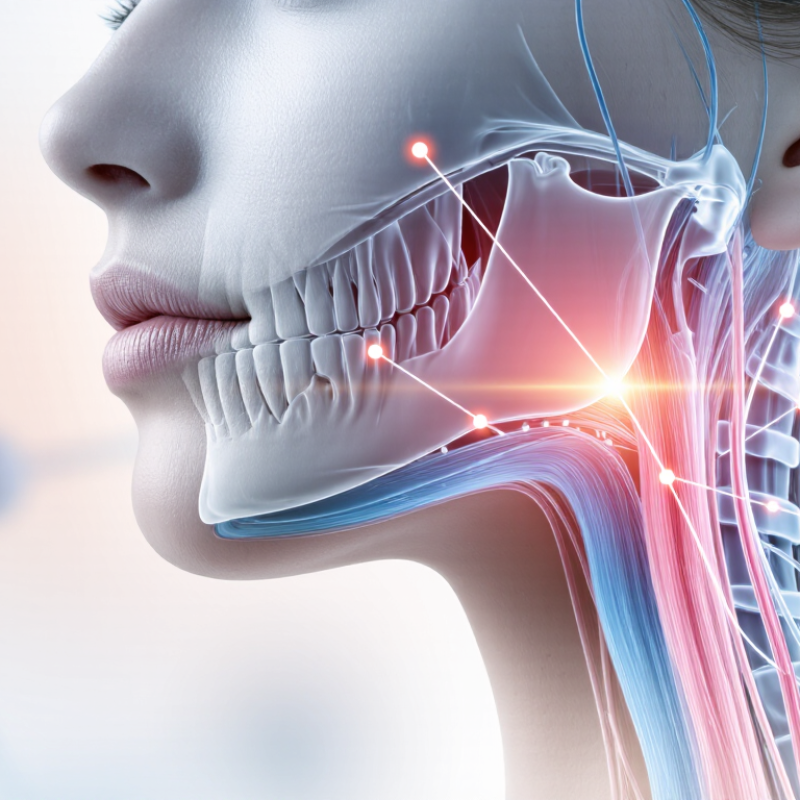
What Skin Remodeling Means and Which Skin Layers It Affects
Skin remodeling is the process of changing or repairing the skin’s supporting structure, especially collagen and elastin in the dermis. It may happen naturally during wound healing or be encouraged by treatments that create controlled heat or tiny areas of injury. The aim is gradual tissue renewal, not instant “new skin.” The term is not perfectly standardized, so the depth and effect depend on the treatment used.
The skin has three main layers: epidermis, dermis, and subcutaneous tissue. The epidermis is the outer barrier; the dermis contains collagen-producing fibroblasts, blood vessels, and nerves; the deeper subcutaneous layer contains fat and connective tissue. NCBI Bookshelf’s StatPearls review, “Skin Anatomy,” reports that the epidermis ranges from about 0.05 millimeters on the eyelids to roughly 1.5 millimeters on the palms and soles. Small differences in thickness matter. A surface-level approach may mainly affect the epidermis, while many remodeling procedures aim to stimulate the dermis. Some energy-based treatments can reach deeper tissue, but that does not mean every layer is changed equally. Results depend on device settings, skin characteristics, and healing. Healing varies. Even a well-planned treatment can produce uneven changes, so claims of precise, uniform remodeling deserve careful scrutiny.
What Is Skin Remodeling and How Does It Work?
Skin remodeling describes changes to skin structure and function, including renewal of epidermal cells and the repair or reorganization of collagen in the dermis.
Approximate thickness ranges of skin layers in adults (millimeters). Thickness varies considerably by body site and measurement method; the epidermis is especially thick on the palms and soles.
The epidermis is the outer protective barrier and continually renews its cells. The dermis beneath it contains collagen, elastin, blood vessels, and other structures; remodeling there involves changes to the surrounding support tissue. The hypodermis lies beneath the skin and is not technically a skin layer. Which layers are affected depends on the natural repair process or the treatment involved.
How the Skin’s Natural Repair and Collagen Renewal Process Works
Skin remodeling is the gradual repair and renewal of the skin’s supporting structure. After a small injury, such as a paper cut, the body sends repair signals to the area. Fibroblast cells help produce collagen, a protein that gives skin strength and structure. Existing collagen is also reorganized as the tissue heals. It takes time. The visible surface may settle before deeper repair is complete.
This process continues beyond wound healing. Skin constantly renews its outer cells, while collagen production and breakdown shift with age, sun exposure, health, and other factors. Remodeling is not a quick “reset,” and results vary from person to person. Even with professional treatments that stimulate repair, changes usually develop gradually over weeks or months. The process is not perfectly predictable; that uncertainty is worth discussing with a qualified healthcare professional before treatment.
Tips: Use broad-spectrum sunscreen to limit preventable sun damage, and avoid picking at healing skin. Gentle cleansing and a plain moisturizer can support comfort while skin recovers. If a wound is increasingly painful, warm, swollen, or draining, seek medical advice.
What Is Skin Remodeling and How Does It Work? – How the Skin’s Natural Repair and Collagen Renewal Process Works
| Stage or factor | What happens | Typical timing | Why it matters |
| Skin remodeling | The gradual repair and reorganization of the skin’s extracellular matrix, including collagen, after normal wear or tissue injury. | Ongoing; repair after an injury can continue for months. | It helps restore tissue structure and strength, although repaired skin may not become identical to uninjured skin. |
| Hemostasis | After a wound, blood vessels constrict and a clot forms. Platelets release signals involved in the repair response. | Minutes to hours | The clot limits blood loss and provides a temporary surface for early repair. |
| Inflammation | Immune cells help clear microbes and damaged material and release chemical signals that coordinate healing. | Usually begins soon after injury and lasts several days; duration varies with the wound. | A controlled inflammatory response supports repair; prolonged inflammation can interfere with normal healing. |
| Proliferation | New tissue forms. Fibroblasts produce extracellular-matrix components, including collagen, while new blood vessels and surface cells help restore the wound area. | Often starts within days and continues for days to weeks. | Fills the wound and creates a provisional structure that is later reorganized. |
| Remodeling and maturation | Collagen is broken down and rebuilt in a more organized arrangement. Enzymes such as matrix metalloproteinases and their inhibitors help regulate matrix turnover. | Begins after the early repair phase and may continue for months; scars can mature for a year or longer. | The tissue gradually gains strength, but scar tissue usually remains structurally different from normal skin. |
| Collagen types | Type I collagen is the main structural collagen in adult skin. Type III collagen is also present and is prominent in early repair tissue before the matrix is remodeled. | Changes occur over the course of healing rather than on a fixed schedule. | The balance and arrangement of collagen contribute to tissue structure and mechanical strength. |
| Normal aging and sun exposure | Age-related changes and ultraviolet exposure can affect collagen production and breakdown. Cumulative UV exposure contributes to photoaging. | Effects accumulate over time. | Sun protection helps reduce ongoing UV damage; it does not instantly rebuild existing collagen. |
| Individual variation | Healing can differ with wound depth and location, age, health, medications, nutrition, smoking, and infection. | Varies from person to person and from wound to wound. | Timelines are approximate; persistent redness, worsening pain, warmth, swelling, or drainage should be assessed by a healthcare professional. |
Timelines describe typical wound-healing patterns and are not a prediction for an individual or a guarantee of a cosmetic result.
What Triggers Skin Remodeling and Influences Its Results
Skin remodeling is the skin’s ongoing repair response. Fibroblasts produce collagen after controlled injury, inflammation, or heat signals. The trigger may be a small wound, a resurfacing procedure, or ordinary tissue turnover. Not every signal produces the same repair. The skin is not a machine.
Sun exposure can shift the result. The American Academy of Dermatology cites research estimating that ultraviolet exposure accounts for up to 80% of visible facial aging. That figure is an estimate, not a prediction for one person. Age, skin tone, previous sun damage, smoking, and healing health can also affect collagen quality and recovery.
A useful detail: the same treatment setting may cause different redness or downtime in different people.
The American Society of Plastic Surgeons’ 2023 statistics recorded about 3.7 million skin-resurfacing procedures in the United States. That number shows demand, not guaranteed improvement. Results depend on treatment depth, spacing, aftercare, and the original concern; overly aggressive injury can prolong irritation rather than improve texture.
Gentle wound care and daily sun protection support recovery. And progress can be uneven. Fine lines may soften before scars or deeper folds change, so photographs taken weeks apart are more informative than checking the mirror each morning.
Common Treatments That Stimulate Skin Remodeling
Common Treatments That Stimulate Skin Remodeling
Skin remodeling describes the skin’s gradual repair and renewal, including changes in collagen. Several treatments aim to encourage this process, but they work differently and suit different concerns. Results take time.
Microneedling creates tiny, controlled channels in the skin. The healing response may support collagen production and improve the appearance of some scars or uneven texture.
Laser treatments use light energy to target selected skin layers; some also encourage collagen changes.
Radiofrequency devices deliver heat beneath the surface, with treatment depth and intensity varying by device.
Chemical peels remove outer layers to address certain types of discoloration and roughness. They do not all produce the same kind of remodeling.
Treatment choice depends on skin tone, medical history, the concern being treated, and tolerance for downtime. Redness, swelling, pigment changes, or infection can occur, so a qualified clinician should explain risks and aftercare. Sun protection matters during recovery. Improvements often appear gradually, and more sessions do not automatically mean better results. The terminology can sound more predictable than real skin care is; responses vary, and some changes are modest. A careful assessment is worth the time.
How Remodeling Progresses and When Changes Become Visible
Skin remodeling is the gradual process of renewing and reorganizing collagen, the protein that helps support skin. It can follow normal healing or a professional skin treatment. Early changes may include redness, swelling, or dryness. These effects do not necessarily show the final result. Not overnight.
Over the following weeks, the skin’s repair response may continue beneath the surface. Collagen changes can take several months, and visible texture or firmness may improve gradually. Timing varies. It depends on the treatment, skin type, healing response, and the concern being addressed. A mirror may show little change at first, even while deeper repair is underway. Results are not guaranteed, and one person’s timeline may not predict another’s. Persistent pain, worsening redness, or unusual swelling deserves medical advice.
Tips: Take clear photos in consistent lighting, such as beside the same window each month. Follow your clinician’s aftercare instructions and protect healing skin from sun exposure. Try not to judge progress day by day; that can be misleading.
