How to Choose the Best Air Compressor in 2026?
Choosing the best Air Compressor in 2026 starts with the work you need it to do, not the largest tank on the shelf. A nail gun, impact wrench, and paint sprayer have different airflow demands. Check each tool’s required CFM at its operating PSI, then compare those figures with the compressor’s rated output. The details matter. A model that reaches the right pressure may still struggle to keep a tool running steadily.
Tank size, motor type, and duty cycle also shape everyday performance. A larger tank can provide a useful reserve, but it cannot make an undersized pump deliver more air over time. That distinction is easy to miss. For a home workshop, consider the available outlet, storage space, noise level, and how often the compressor will run. Oil-free units may need less routine maintenance, while oil-lubricated models can suit some heavier-use settings. Neither choice is automatically best. Review the manufacturer’s specifications and maintenance guidance before deciding.
Think about the whole setup, too: hose length, fittings, portability, and access to replacement parts can affect how useful the machine feels after purchase. A quiet compressor may be more comfortable in a garage, yet performance still needs to match the tools. Small details count. This guide explains how to compare key specifications, estimate your actual needs, and avoid paying for capacity you may never use. There is no perfect model for everyone, and a few trade-offs are unavoidable. That is worth remembering.
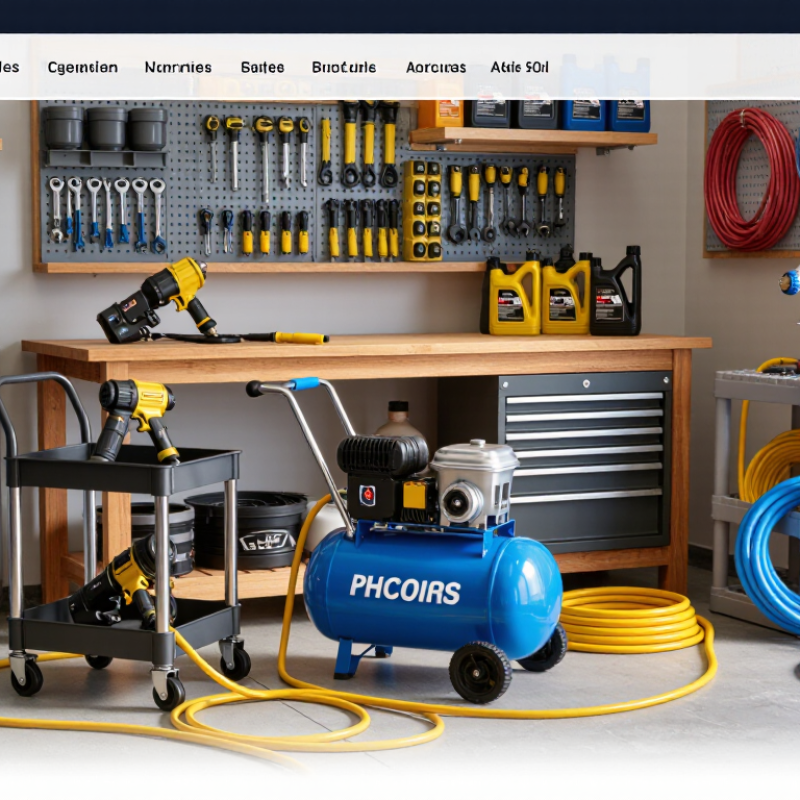
Define Your Air Compressor Needs and Intended Applications
Before comparing air compressors, define the jobs they need to handle. A compressor for occasional tire inflation has different demands from one powering an impact wrench or spray gun. Write down each tool’s required airflow, measured in CFM, and its operating pressure, measured in PSI. Check the tool manual rather than relying on a rough estimate. A spray gun may need steady airflow, while a nailer typically uses short bursts. Small details matter.
Next, consider how often and where you’ll work. For several tools running throughout the day, choose a compressor that can sustain their combined airflow needs, with some capacity to spare. For a home garage, noise, available electrical power, and storage space may matter more than maximum output. A large tank can reduce frequent motor starts, but it cannot compensate for inadequate airflow. I’ve seen buyers focus on tank size and overlook this distinction. It’s an easy mistake.
Tips: Keep a list of your tools’ CFM and PSI requirements, then compare it with the compressor’s rated output at the pressure you’ll use. Allow a practical margin for demanding tasks. If your needs are still unclear, track your typical jobs for a week; the answer may be less obvious than expected.
Compare Compressor Types and Their Advantages
Choosing a compressor starts with the air demand, not the tank size alone. A reciprocating, or piston, compressor suits intermittent tasks such as inflating tires or running a nailer. It builds pressure well and is often easier to service. That helps. However, frequent starts can mean more noise, heat, and wear. A rotary-screw compressor is designed for steadier, longer operation. It can supply a workshop’s air tools throughout a shift, with less pulsing than many piston models. Its purchase and maintenance costs may be higher, so continuous use should justify the investment.
Oil-free describes the way air is compressed, not one single machine type. These models can reduce the risk of oil entering the air stream, which is useful for certain clean-air applications. Check the required air-quality specification; “oil-free” does not automatically remove moisture or particles. Scroll compressors can offer quiet, smooth operation for smaller, steady air needs, though capacity and service options vary. A comparison chart can mislead if it lists peak output instead of usable airflow at working pressure. Match that figure to the tool’s requirements, then consider duty cycle, noise, power supply, and room for maintenance. It is easy to overlook the last one.
Match Airflow, Pressure, Tank Capacity, and Power Requirements
When choosing an air compressor, start with the tool, not the tank. Check its airflow demand in CFM at the stated working pressure. The compressor must supply both. A brad nailer uses air intermittently; a sander may demand steady airflow. Allowing 20–30% extra capacity can help cover hose losses or occasional overlap, though the right margin depends on your setup. That margin is not universal.
Tank capacity affects how long a compressor can deliver air before the pump needs to catch up. A larger tank can smooth short bursts, but it does not increase the pump’s sustained airflow. For repeated use, compare the compressor’s rated CFM and recovery rate with your tool’s needs. Also check the tool’s operating pressure, then use a regulator to set that pressure safely. Maximum tank pressure alone does not tell you whether the compressor can keep up.
Power requirements matter just as much. Confirm the unit’s voltage and current draw against the outlet and circuit you plan to use; a mismatch can cause nuisance trips or poor performance. Consider where it will sit, too: a heavy unit may be inconvenient to move, and a loud one can wear on you in a small workshop. It is easy to overvalue tank size. I would double-check airflow and recovery before making the final choice.
Assess Portability, Noise, Energy Use, and Operating Costs
When choosing an air compressor in 2026, match its portability to the jobs you actually do. A small, wheeled unit is easier to move between a garage and driveway, but its tank may need frequent refills during longer tasks. Check the unit’s weight, handle position, and power requirements before buying. A few minutes comparing specifications can prevent an awkward lift later.
Noise can matter as much as output, especially in a shared home or enclosed workshop. Compare published sound levels, and remember that hard walls can make a compressor seem louder. Energy use also affects the real price: check the motor’s power rating and estimate how often it will run. Include filters, hoses, and routine maintenance in operating costs. A low purchase price can be misleading. I would not choose by one specification alone; it is easy to overlook how often the machine will be moved or switched on.
Tips: Measure your storage space and check the outlet first. If possible, listen to a similar unit running. Leave room for uncertainty: published noise and energy figures may not reflect your setup.
How to Choose the Best Air Compressor in 2026
Compare portability, noise, energy use, and operating costs against the tools and work environment you actually have.
Typical operating noise by compressor type (approximate dBA): Bars show the midpoint of the labeled typical range; actual levels vary by design, distance, and load. Check the manufacturer’s stated noise level before buying.
| Factor | What to check |
| Portability | Weight, handle and wheel design, and whether the compressor fits your vehicle and workspace. |
| Air delivery | Match the compressor’s delivered CFM at the required PSI to the tool’s needs; tank size alone does not determine sustained output. |
| Energy use | Check motor input power, supply voltage, and duty cycle. Estimated electricity cost = input kW × operating hours × your electricity price per kWh. |
| Operating costs | Include electricity, maintenance, and any required oil, filters, or replacement parts—not just the purchase price. |
Check Safety Features, Maintenance Needs, and Warranty Coverage
A good air compressor should fit the work and the space around it. Before buying, check for an automatic shutoff, a readable pressure gauge, and a pressure-relief valve. Confirm that the tank’s rated pressure suits your tools; more pressure is not automatically better. Look for clear instructions on ventilation and safe operation, too. A hot, cramped workshop can make a suitable machine harder to use safely.
Maintenance needs are easy to overlook. Check how often the manual calls for draining condensation, changing oil, or cleaning filters. If you use the compressor in a dusty garage, filter cleaning may come around sooner. Oil-free models can reduce some routine tasks, but they still need inspection. I once treated a quick drain as optional; that was poor thinking. Moisture buildup can contribute to tank corrosion, so follow the manufacturer’s schedule and inspect the tank for damage.
Tips: Read the warranty before comparing prices. Check its duration, covered components, labor terms, and any maintenance conditions. Save the receipt and manual. Ask how service is handled if the compressor fails. A longer warranty sounds reassuring, but exclusions matter. Small details matter. Choose a model you can maintain consistently, even if its feature list is less impressive.
