Top Tips for Efficiently Shooting Nails in Your Projects?
shooting nails effectively can greatly enhance your project efficiency. Whether you are working on a home renovation or a woodworking project, mastering this skill is essential. Many DIY enthusiasts struggle with achieving precision and speed when shooting nails, often leading to mistakes and wasted materials.
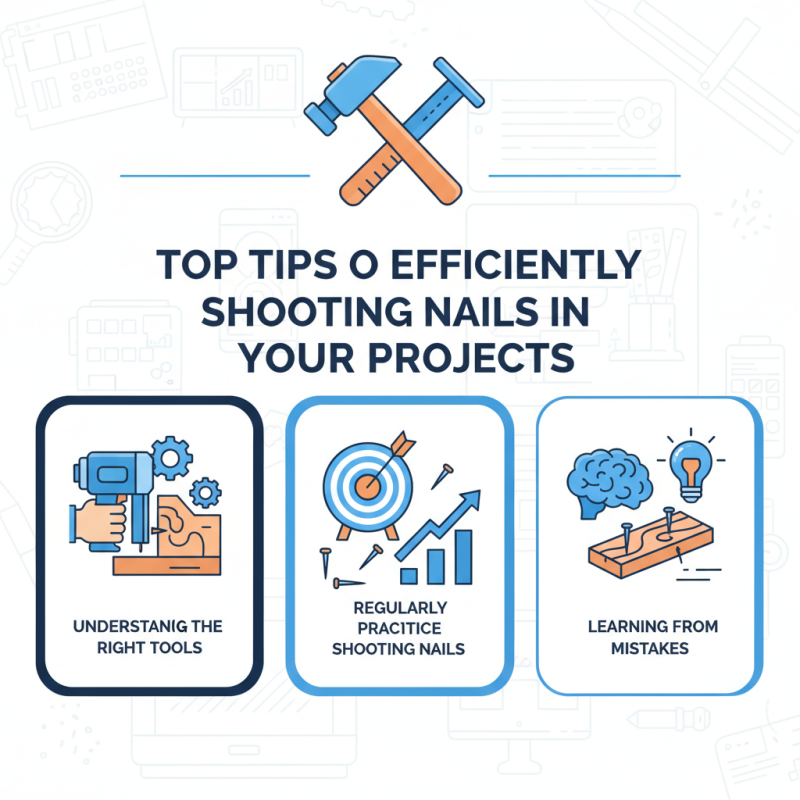
Understanding the right tools is crucial. The nail gun you choose must fit your project needs. A powerful nail gun can save time, but it requires practice to handle safely. Common issues include misfires or nails not sinking properly. These problems can discourage beginners and lead to frustrations. It’s important to reflect on your technique to improve your skills.
Regularly practicing shooting nails can improve your accuracy. Test various angles and depths on scrap wood before starting your main project. Remember, not every nail will go in perfectly. Learning from mistakes allows you to refine your process. Embrace the learning curve, and soon, shooting nails will feel like second nature.
Essential Tools for Nail Shooting in Various Projects
When diving into nail shooting for your projects, the right tools can make all the difference. A quality pneumatic nailer is essential for heavy-duty tasks. It's powerful and efficient, driving nails quickly into dense materials. However, remember to maintain it regularly to ensure consistent performance. Overlooking maintenance can lead to unexpected jams and inefficient work.
For lighter projects, a battery-operated nail gun might be more suitable. These tools offer portability and convenience, especially in tight spaces. Just keep an eye on the battery level, as running out in the middle of a project can be frustrating. Additionally, having a variety of nail sizes ensures that you can tackle different applications effectively. It's easy to underestimate the need for different nails, but this can lead to weak joints or damage.
Safety gear cannot be overlooked. Protective goggles and gloves are crucial when using nail guns. Although these tools are designed for safety, accidents can happen. Ensure you understand how to operate your nailer fully. It’s wise to practice on scrap materials to hone your skills. Remember, mastering nail shooting takes time and patience. Stay adaptable and willing to learn.
Understanding Different Types of Nail Guns and Their Uses
When it comes to selecting a nail gun, understanding the different types is essential for achieving project efficiency. Pneumatic nail guns are favored in professional settings. They rely on compressed air and can drive nails quickly and with precision. According to industry studies, pneumatic tools improve productivity by nearly 50% compared to manual methods, making them ideal for framing projects.
Electric nail guns, both corded and cordless, offer flexibility for DIY enthusiasts. Battery-operated models are increasingly popular. Reports indicate that 70% of homeowners prefer electric tools due to their ease of use and lower maintenance needs. However, keep in mind that these guns may lack the raw power of pneumatic versions. They are also better suited for lighter materials.
Exploring specialty nail guns opens more avenues for specific applications. Roofing nailers, for instance, streamline shingle application, reducing labor time. On the downside, using the wrong type of gun can lead to improper fastening and safety hazards. Reflecting on your project's demands will help you choose wisely. Decide on whether speed or precision is your priority, and pick accordingly.
Top Tips for Efficiently Shooting Nails in Your Projects
Techniques for Proper Nail Placement and Fastening
When working on projects involving wood, proper nail placement is crucial. Incorrectly placed nails can lead to structural weaknesses. Focus on aligning your nails to ensure that they hold the material firmly together. Keeping nails spaced evenly helps distribute weight and stress throughout the joints.
Here are a few tips to enhance your nailing technique. Start by choosing the right nail size for your material thickness. Too long or short will lead to issues. Ensure your hammer strikes in line with the nail to prevent bending. Avoid hitting too hard; a gentle touch often provides better control.
Another valuable tip is to pre-drill holes for larger nails. This can prevent wood from splitting and makes insertion easier. Sometimes, you might find it challenging to nail in tricky angles or tight spaces. Don’t hesitate to adjust your approach and take a step back if needed. Reflection on the process often improves your technique.
Safety Precautions When Using Nail Guns
Using nail guns can make projects smoother, but safety must come first. Always wear protective gear, including safety glasses and gloves. These items shield you from flying debris. Hearing protection is also essential, as nail guns can be loud. Check your workspace for hazards like extended wires or loose materials to avoid accidents.
Before using a nail gun, inspect it thoroughly. Look for any damaged parts or misplaced fasteners. A malfunction can cause misfires or jams, leading to potential injuries. Ensure the nails are loaded correctly and that the safety mechanism is functional. Always keep your hands away from the nailing area when shooting. Accidental discharge can happen if you're not careful.
Take breaks to reassess your approach. Fatigue can lead to mistakes. If you feel overwhelmed, step back and reassess the task. Ensure you're focused and in control. Understand the potential risks, and don’t rush. Nail guns are powerful tools, and respect for them is crucial. Using them safely ensures a productive and injury-free experience.
Top Tips for Efficiently Shooting Nails in Your Projects - Safety Precautions When Using Nail Guns
| Tip | Description | Safety Precaution |
| Choose the Right Nail Gun | Select a nail gun suitable for your project type, whether framing, finishing, or roofing. | Always read the manufacturer's specifications before use. |
| Wear Personal Protective Equipment | Use safety goggles, ear protection, and gloves to minimize risk of injury. | Ensure all protective gear is in good condition and fits properly. |
| Check for Obstructions | Inspect the area where you'll be nailing to avoid hitting electrical wires or plumbing. | Use a stud finder to identify safe areas for nailing. |
| Maintain a Safe Distance | Keep your hands and fingers clear of the nailing area at all times. | Establish a clear safety zone when working with others. |
| Test the Nail Gun | Perform a test run on a scrap piece of wood to ensure proper function before starting. | Always aim the nail gun away from yourself and others when testing. |
| Disconnect When Not in Use | Unplug or disconnect the battery from the nail gun when it's not in use. | Store the nail gun in a secure place out of the reach of children. |
Maintenance Tips for Prolonging Nail Gun Lifespan
Maintaining a nail gun is crucial for its longevity. Regular cleaning is essential. Dust and debris can accumulate, causing jams. Take the time to wipe the exterior and check for blockages. A simple air compressor can help blow out unwanted particles.
Additionally, lubrication should not be overlooked. Apply oil to the moving parts as instructed in the manual. This keeps everything running smoothly. However, be cautious not to over-lubricate. Too much oil can create a mess and attract more dirt. It's easy to miss these small details in busy projects.
Another important aspect is the storage of your nail gun. Keep it in a dry place. Humidity can lead to rust and deterioration. Invest in a protective case if necessary. Reflect on how you store your tools. Are they protected from moisture? Addressing these issues can result in a more reliable tool for future use. Neglecting maintenance could lead to costly repairs or replacements later on.
