What is a Compact Excavator Cylinder and How Does it Work?
Compact Excavator Cylinders are crucial components in modern excavators, enabling them to operate efficiently in various construction tasks. According to industry expert John Smith, "The performance of a compact excavator heavily relies on the quality and design of its cylindrous components." This statement underscores the importance of understanding these cylinders and how they function.
These cylinders facilitate the movement of the excavator's arm and bucket, allowing operators to perform tasks like digging and lifting with precision. With a reliable hydraulic system, Compact Excavator Cylinders convert hydraulic pressure into mechanical power. However, maintaining these cylinders can be challenging. Operators must be vigilant about wear and tear, as any malfunction can lead to significant downtime.
Exploring the intricacies of Compact Excavator Cylinders reveals a complex interaction between technology and operation. While many operators may overlook routine maintenance, it is essential for maximizing lifespan and performance. Understanding these components not only enhances efficiency but also promotes safety on the job site. Engaging with this subject offers meaningful insights into the essential mechanics of excavators.
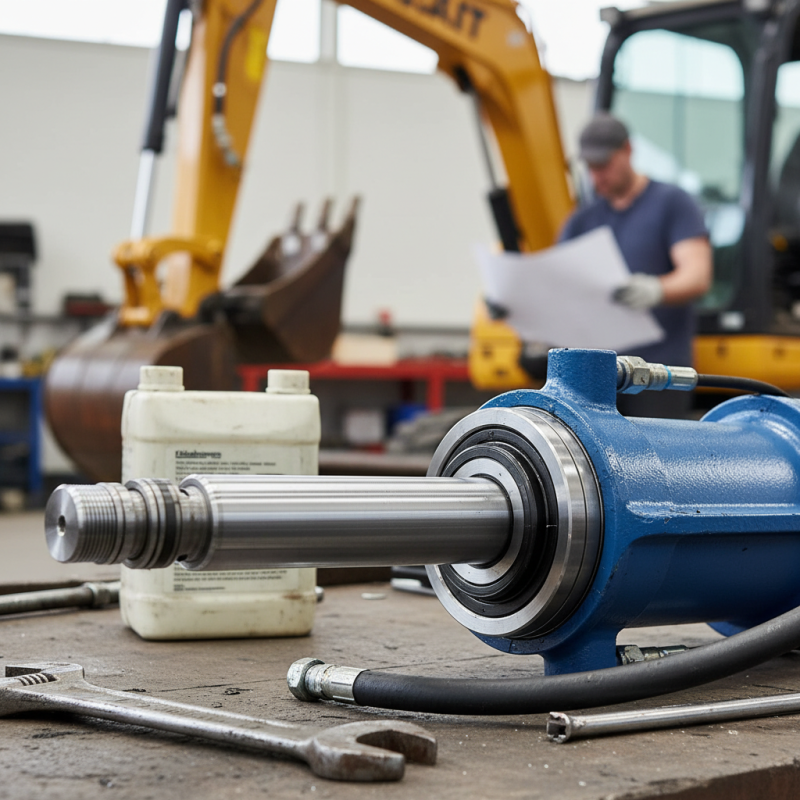
What is a Compact Excavator Cylinder?
A compact excavator cylinder is a crucial component of mini excavators. It plays a vital role in the machine's overall functionality. These cylinders convert hydraulic fluid into mechanical power, facilitating various movements, such as lifting, digging, and tilting. The working pressure within these cylinders can reach up to 3,000 psi. This pressure is essential for effective operation.
According to the Association of Equipment Manufacturers (AEM), compact excavators have become increasingly popular. The market for these machines has seen a growth rate of around 7% annually. The compact cylinder enables these excavators to perform heavy-duty tasks in limited spaces. Typically, these cylinders are made from high-strength steel, ensuring durability and reliability. However, wear and tear can occur over time, leading to potential leaks or performance drops.
Hydraulic cylinders are not without their challenges. Regular maintenance is critical to avoid catastrophic failures. Resealing and rebuilding cylinders can be costly. Yet, ignoring these needs may lead to more significant issues down the line. Operators should regularly check for signs of wear. A proactive approach can extend the life of a compact excavator cylinder significantly. Understanding these nuances helps in optimizing the performance of mini excavators.
The Key Components of a Compact Excavator Cylinder
A compact excavator cylinder is a crucial component in excavating machinery. It enables the movement of the excavator's arm and bucket, allowing for precise digging. Understanding its key components can enhance your knowledge of how this equipment operates.
The cylinder consists of several essential parts. The outer casing houses the hydraulic fluid, which facilitates movement. Inside, a piston creates force when hydraulic pressure is applied. Seals prevent leaks and maintain efficiency. The rod connects the piston to the arm, enabling dynamic motion. Each piece must work in harmony for optimal performance.
Tip: Regular inspection of the cylinder can reveal wear and tear early. Look for signs of leakage around seals.
Hydraulic pressure maintains the cylinder's functionality. If pressure drops, the excavator may underperform. Ensuring your hydraulic system is properly maintained is vital. Addressing pressure issues quickly can prevent costly repairs.
Tip: Keep hydraulic fluid clean. Contaminated fluid can damage the cylinder over time. Regular fluid changes help maintain performance and extend the cylinder's lifespan.
Understanding these components helps operators grasp how to maximize efficiency. However, even experienced users may overlook signs of wear or improper fluid levels. Regular checking can prevent unexpected failures.
How a Compact Excavator Cylinder Functions
A compact excavator cylinder is crucial for the machine's operation. It converts hydraulic pressure into mechanical force, enabling precision movements. The cylinder is typically made of high-strength steel to endure pressure and wear. Inside, a piston moves back and forth within a sealed chamber, driven by hydraulic fluid. This movement allows the excavator's boom, arm, and bucket to perform tasks like digging and lifting.
Understanding how the compact excavator cylinder functions is essential for efficient operation. When the operator engages hydraulic controls, fluid enters the cylinder, pushing the piston. This action creates a powerful force that moves the excavator's components. The speed and force depend on the hydraulic pressure applied. However, not all cylinders perform perfectly. Factors like wear and poor maintenance can hinder functionality. Sometimes, leaks or blockages affect hydraulic flow, leading to reduced efficiency. Regular inspection and maintenance are key to keeping the cylinder in top condition. Operators must remain attentive to these details to ensure reliable performance.
What is a Compact Excavator Cylinder and How Does it Work? - How a Compact Excavator Cylinder Functions
| Dimension | Specification | Function |
| Bore Size | 60 mm | Determines the fluid capacity and lifting power. |
| Rod Diameter | 30 mm | Provides structural integrity and support during operation. |
| Stroke Length | 400 mm | Controls the distance the cylinder can extend and retract. |
| Operating Pressure | 250 bar | Influences the power and efficiency of the cylinder. |
| Materials | High-strength steel | Ensures durability and resistance to wear. |
| Seal Type | Double lip seal | Prevents hydraulic fluid leakage and contamination. |
Common Applications of Compact Excavator Cylinders
Compact excavator cylinders play a crucial role in various industries. They are often used in construction, landscaping, and agriculture. These cylinders can control the movement of the excavator's arm, boom, and bucket. According to industry data, around 85% of compact excavator applications revolve around efficient material handling and digging tasks.
In construction, compact excavator cylinders excel at digging trenches. They also assist in lifting heavy materials. This functionality is vital for projects that require precision. In landscaping, these cylinders help shape terrain and manage debris. Around 40% of landscape professionals rely on compact excavators for efficiency. Agriculture also benefits, with 30% of farmers using these machines for earth-moving operations.
Despite their advantages, compact excavator cylinders have limitations. Maintenance can be often overlooked, leading to diminished performance. Regular inspections are essential to ensure reliability. Not all operators fully understand the intricacies of cylinder operation. Training can improve efficiency but is sometimes insufficient. Addressing these issues can help maximize the usage of compact excavator cylinders and enhance overall productivity.
Maintenance Tips for Compact Excavator Cylinders
Compact excavator cylinders are crucial for efficient operation. Regular maintenance ensures these components function at their best. Here are some useful tips for maintaining compact excavator cylinders effectively.
Frequent inspections are vital. Check for leaks, cracks, or signs of wear. Small issues can become significant problems if neglected. Clean any dirt or debris from around the cylinder. Dirt can cause damage during operation. Use a soft cloth to wipe down the exterior. This will help maintain the cylinder’s integrity.
Regularly check the hydraulic fluid level. Low fluid can lead to erratic performance. Change the hydraulic fluid as per the manufacturer’s recommendations. A clean hydraulic system contributes to the longevity of the cylinders. Listen for unusual noises during operation. Uncommon sounds might indicate underlying issues. Addressing these early can save time and costs later on. Keep a maintenance log for tracking repairs and inspections.
