How to Choose the Best Reverse Osmosis System for Your Needs?
Choosing the best Reverse Osmosis System for your needs is crucial for maintaining water quality. According to the Water Quality Association, up to 90% of contaminants can be removed with a well-designed system. However, many consumers lack the necessary knowledge to make informed decisions. As Dr. Michael Schreiber, a noted expert in water filtration, states, "Not all Reverse Osmosis Systems are created equal; understanding your specific needs is essential."
Consumers often face an overwhelming variety of options. With sales forecasts reaching over $2 billion globally by 2026, the industry is booming. Yet, the complexity of features and specifications can lead to confusion. Each household has unique requirements; knowing these is vital for effective filtering.
Without proper research, one could end up with a system that fails to meet their needs. Some systems might remove essential minerals while neglecting harmful contaminants. It's essential to reflect on the implications of your choice carefully. The right Reverse Osmosis System can enhance your health, but misinformed decisions could lead to wasted resources and unsatisfactory results.
Understanding Reverse Osmosis: The Basics and Benefits
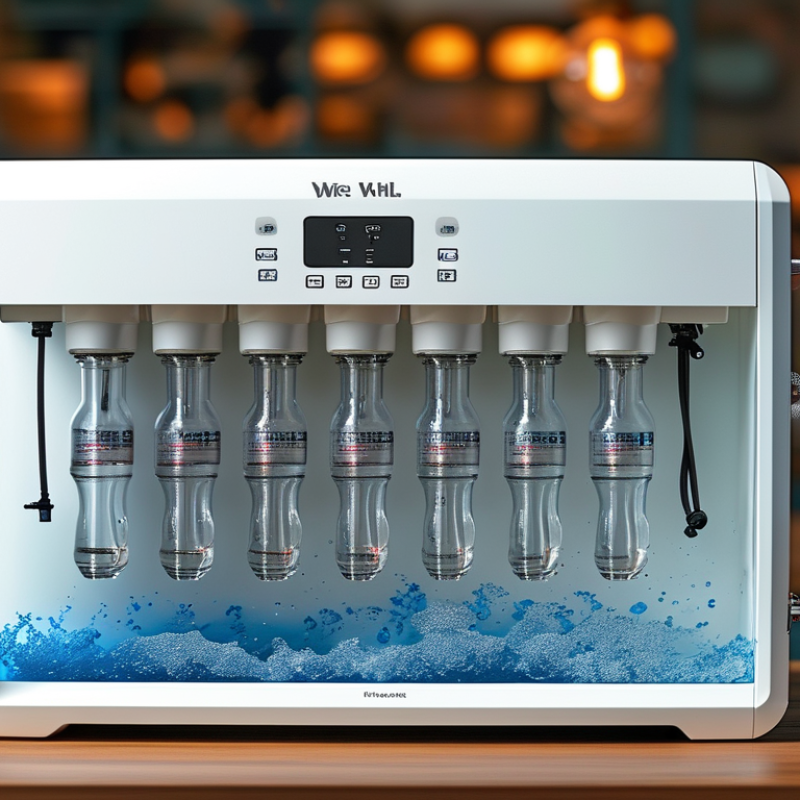
Reverse osmosis (RO) is a powerful water purification process. It removes contaminants by pushing water through a semi-permeable membrane. This membrane blocks larger particles, harmful bacteria, and dissolved solids. The result? Cleaner, safer drinking water. Many households benefit from this technology, improving water taste and health.
Understanding how RO works helps in recognizing its advantages. This system reduces chemicals like chlorine and heavy metals. It can also lower sodium levels, making it suitable for people with dietary restrictions. Numerous studies show that RO systems produce reliable, high-quality water. However, users must consider maintenance needs. Filters require regular replacement, or efficiency decreases.
While reverse osmosis has many positives, it’s not without drawbacks. It can waste some water during filtration. Additionally, vital minerals might be removed from the water. Consumers should weigh these factors before committing to an RO system. In the discussion of clean water solutions, each choice carries its complexities.
Assessing Your Water Quality: Key Factors to Consider
When considering a reverse osmosis system, assessing your water quality is crucial. Different locations may have unique contaminants. This makes understanding local water conditions essential. Check for impurities like heavy metals, chlorine, and sediment. A simple water test can reveal these factors quickly. It’s a step that shouldn’t be overlooked.
Choosing the right system isn't always straightforward. Remember, some systems may target specific contaminants better than others. If your water tests high for lead, prioritize those systems featuring lead removal capabilities. Alternatively, if your concern is general cleanliness, a system with a broader filtration spectrum may suit you best.
**Tips:** Regular maintenance of your reverse osmosis system will enhance longevity. Monitor filter replacement timelines closely. Also, consider your family size when selecting a system's capacity. Sometimes, larger doesn’t mean better; efficiency matters too.
Evaluating System Capacity: Size and Filtration Rate Requirements
Choosing the right reverse osmosis system starts with understanding your needs. Evaluating system capacity is crucial. You want a unit that fits your household size and water usage rate. If you have a large family, a system with a higher filtration rate is necessary. This ensures that you have enough purified water for cooking and drinking.
Consider the filtration rate. It's often measured in gallons per day (GPD). A system with a higher GPD can meet the demands of multiple users. However, higher capacity systems may take more space. Assessing the available space can lead to realizable choices. Don't overlook the importance of maintenance. Systems with greater capacity may require more frequent filter changes.
Reflect on your specific situation. Are you often running low on clean water? If so, perhaps aiming for a larger system is reasonable. However, a huge capacity might lead to wasted water if you're not utilizing it. Balancing your needs with your space and budget can be challenging. It's a process that requires careful thought and planning.
Identifying Key Features: What to Look for in a System
When selecting a reverse osmosis system, understanding key features is crucial. Not all systems are created equal. A study by the Water Quality Association reported that nearly 90% of homeowners are unsatisfied with their water quality. This dissatisfaction often stems from a lack of essential filtration features like multi-stage filtration and UV light purification.
Look for systems with a minimum of five stages of filtration. Each stage plays a role in removing different contaminants. For instance, activated carbon filters are effective at eliminating chlorine, while the reverse osmosis membrane targets dissolved solids. According to a research report from the Environmental Protection Agency, a well-designed system can remove up to 95% of harmful substances. However, the system's efficiency can vary, so it's essential to check the rejection rate of contaminants.
Another aspect to consider is the system's capacity. Many households find that a flow rate of 50 gallons per day meets their needs. However, larger families may require more robust options. Keep in mind that less expensive systems may compromise on filter quality. It's a balance between budget and water quality that must be assessed carefully. Regular maintenance also plays a role in performance, and understanding filter replacement costs can be equally important.
Budget Considerations: Balancing Cost and Performance
Budget considerations are crucial when selecting a reverse osmosis (RO) system. You want an effective solution without overspending. According to industry reports, the average cost of a home RO system ranges from $150 to $600. This broad spectrum reflects differences in quality and features. Higher-priced systems often offer improved filtration performance, but they may not be necessary for everyone.
It’s vital to balance cost with performance. While cheaper options might save money upfront, they can lead to higher long-term costs in maintenance and filter replacements. For instance, some low-cost systems may require filter changes every six months, while higher-end models could extend this to a year or more. This is a critical point to ponder. Are you truly saving money with that lower-priced system?
Consider your water quality as well. The Environmental Protection Agency (EPA) suggests that not all water sources require extensive filtration. If your local water is relatively clean, a more affordable system may suffice. Analyzing your water chemistry can help you make an informed decision and avoid overspending on unnecessary features. Balancing your budget with performance is not always easy. Planning ahead can lead to wiser choices and long-term satisfaction.
