
Custom sheet metal parts in as little as 3 days - Get a quote now!

How to Choose the Best Chain Adjuster Supplier in China?

Choosing the best Chain Adjuster supplier in China starts with a clear understanding of your application. The part must fit the intended assembly, tolerate expected loads, and remain consistent across production runs. A drawing with dimensions, tolerances, material requirements, and surface finish gives suppliers a practical basis for quoting. Small differences can affect fit and adjustment. Ask how the supplier checks critical dimensions and handles parts that fall outside agreed tolerances.

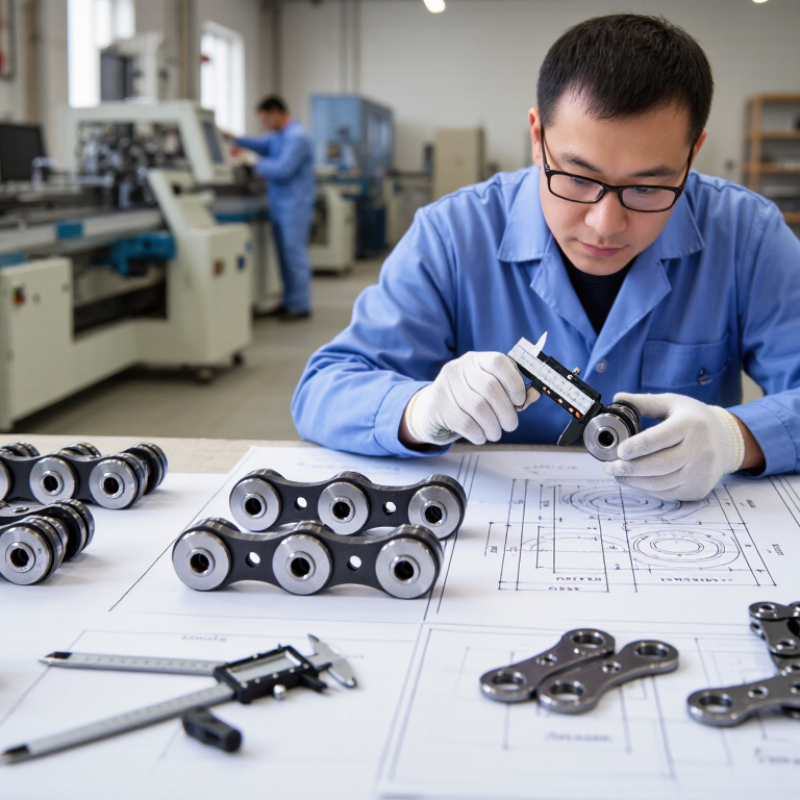
Request samples before placing a large order. Compare hole spacing, thread quality, edge finish, and coating against your specifications. Ask for material records and inspection results relevant to your order, and clarify whether checks happen during production or only before shipment. Details matter. A factory visit or a live video walkthrough may help you understand its equipment and workflow, but neither replaces written quality requirements. Review the quotation for tooling costs, lead times, packaging, and what happens if samples need revision. Ask for proof. For repeat orders, confirm how the supplier identifies batches and manages design changes. Clear communication matters, especially when drawings or measurements need correction. The lowest price may look attractive, but inconsistent dimensions can create delays and extra inspection work. No supplier is perfect, and a polished presentation alone proves little. This guide explains practical ways to compare suppliers, verify capabilities, and make a decision based on evidence rather than promises.
How to Choose the Best Chain Adjuster Supplier in China?

What Chain Adjusters Are and What Suppliers Provide

A chain adjuster is a small motorcycle component that moves the rear axle to set chain slack and help keep the rear wheel aligned. Designs may use slotted plates, threaded bolts, or integrated axle blocks. Small parts matter. Incorrect dimensions can complicate installation or leave uneven adjustment. A supplier may provide matched left- and right-side pieces, fasteners, material options, surface finishes, drawings, samples, and inspection records. Ask for evidence. Useful checks include dimensional tolerances, material certificates, coating details, and tests for corrosion or load performance.

Demand offers context, not proof of quality. Fortune Business Insights estimated the global motorcycle market at USD 106.8 billion in 2023 in its Motorcycle Market report. That broad figure does not measure chain-adjuster demand, but it shows the scale of the surrounding industry. When comparing suppliers, request a sample and check axle-slot fit, thread engagement, edge finish, and repeatability across several pieces. Confirm whether quoted tolerances apply to every production batch. Some catalogs look complete; documentation may be thin. That is easy to overlook. A clear drawing and traceable inspection results are more useful than polished sales language.

How to Define Your Chain Adjuster Requirements

Defining Your Chain Adjuster Requirements

Before requesting quotations, record the exact application and fit dimensions. Specify chain pitch, roller width, axle diameter, adjustment range, slot width, and mounting-hole locations. A drawing with tolerances helps suppliers avoid guessing from a sample photo. ISO 606 provides dimensional guidance for roller chains, but the adjuster’s axle slots and frame interface still need their own measurements. Small details matter. State the material, surface finish, corrosion exposure, and expected operating loads. For outdoor use, describe actual conditions, such as road salt, rain, or frequent washing, rather than simply asking for “rust resistance.”

Set acceptance criteria before comparing suppliers. Request material certificates where relevant, dimensional inspection records, and samples for fit checks. Define packaging, labeling, order quantities, and delivery expectations, too. McKinsey Global Institute’s 2020 report on global value chains estimates that disruptions lasting a month or longer occur about every 3.7 years. That finding makes capacity, lead-time communication, and backup planning practical sourcing questions—not just paperwork.

Not just dimensions.

One detail buyers sometimes miss is adjustment travel: a part may match the axle yet provide too little range as the chain wears. I would verify this on the intended assembly, because a clean drawing can still omit a real-world clearance issue. Provide the supplier with your target tolerances and inspection method, then confirm both against the first sample.

Where to Find Chain Adjuster Suppliers in China

China’s chain adjuster suppliers are easiest to find through industrial sourcing directories, regional trade fairs, and manufacturing clusters. Use directories to build a shortlist, not to make a final decision. Listings can be outdated, and product photos rarely show machining quality.

Trade fairs let you inspect adjusters directly. Check the thread finish, edge consistency, and how smoothly the bolt turns. Ask suppliers whether they manufacture parts in-house or rely on subcontractors. That distinction can affect lead times and quality control. A short video call from the production floor may help, but it is not proof on its own. Request company details, inspection records, and samples matching your required dimensions.

For online searches, use specific terms such as “motorcycle chain adjuster manufacturer China” alongside material and size requirements. Contact several suppliers with the same drawing and questions, then compare their replies. Clear answers about tolerances, surface treatment, packaging, and sample costs are useful signs. Vague answers deserve another question. I still find price comparisons misleading when one quote excludes sampling or inspection. Ask for those costs in writing, and test a sample on the intended assembly before placing a larger order.

How to Choose the Best Chain Adjuster Supplier in China? - Where to Find Chain Adjuster Suppliers in China

Supplier Discovery Channel What You Can Find How to Evaluate Suppliers Advantages Points to Verify
Business-to-business sourcing platforms Listings for manufacturers and trading companies offering motorcycle chain adjusters, axle blocks, and related parts. Compare product specifications, factory capabilities, response quality, sample availability, and export experience. Efficient for building an initial shortlist and comparing product ranges. A platform listing or verification badge alone does not establish product quality or manufacturing capability. Request supporting records and samples.
Industry trade fairs in China Face-to-face access to component suppliers, product samples, and sales or technical representatives. Discuss materials, dimensions, finishes, tooling, customization, minimum order quantities, and lead times directly. Makes it easier to inspect samples and clarify technical requirements in person. Confirm the exhibitor’s legal business identity and whether production is performed in-house or subcontracted.
Referrals from industry contacts Introductions to suppliers already used by buyers, distributors, or component manufacturers. Ask the referrer about product consistency, communication, delivery performance, and how issues were handled. Can provide practical experience that is not apparent from a product listing. Treat referrals as a starting point; independently verify the supplier and test the parts for your application.
Industrial clusters and manufacturing directories Regional directories and supplier networks that can help identify factories specializing in motorcycle or metal components. Check the registered business scope, facility address, production processes, and relevance of the supplier’s existing products. Useful for finding manufacturers with related machining, stamping, or metalworking capabilities. Being located in an industrial area does not guarantee specialization or quality; confirm the actual production setup.
Independent sourcing or inspection services Supplier searches, factory visits, document checks, sample coordination, and pre-shipment inspections. Define the scope in writing, including the checks to be performed and the inspection criteria for the chain adjuster. Can support buyers who cannot visit factories or independently coordinate inspections. Confirm the service provider’s independence, qualifications, fees, and reporting process.
Direct online search and supplier websites Company profiles, product catalogs, technical details, contact information, and descriptions of manufacturing capabilities. Request a company profile, business registration details, factory photographs or a live video tour, and a quotation against a written specification. Allows direct communication and comparison of suppliers without relying on a single marketplace. Website content is supplier-provided and should be checked against documents, samples, and, where appropriate, a factory audit.

Recommended qualification checks: Confirm the adjuster’s dimensions and fitment, material and surface treatment, corrosion resistance requirements, dimensional tolerances, inspection method, sample approval process, production lead time, packaging, and applicable export documents. Compare quotations only after suppliers receive the same technical specification.

How to Evaluate Supplier Quality and Manufacturing Capability

How to Choose the Best Chain Adjuster Supplier in China?

A reliable evaluation starts with the parts, not the sales presentation. Ask for a sample made with the same material, process, and finish as the proposed production run. Check key dimensions against your drawing, including slot width, thread pitch, and overall thickness. Request inspection records and material traceability for the sample. Small differences matter. A part that looks clean may still bind during adjustment.

Manufacturing capability should be supported by observable evidence. Ask which operations are handled in-house, how tools are maintained, and how inspection frequency changes between prototypes and larger batches. Review examples of dimensional reports, process checks, and corrective-action records. If heat treatment or surface finishing is outsourced, ask how incoming results are verified. A factory visit or live video walkthrough can reveal practical details, such as organized gauges and clearly separated rejected parts. Still, one visit cannot prove every batch will be consistent.

Tips: Send a clear drawing with tolerances and expected working conditions. Ask the supplier to explain how it will measure each critical feature. Compare several samples, not just one. Request a small pilot run before placing a larger order. Be cautious if answers are vague or documents cannot be linked to a specific batch. I would also revisit your own requirements; unclear drawings can create avoidable disputes.

How to Verify Pricing, Compliance, and Delivery Terms

How to Choose the Best Chain Adjuster Supplier in China?
How to Verify Pricing, Compliance, and Delivery Terms

A low unit price can hide costs. Ask for an itemized quote covering steel grade, heat treatment, surface coating, inspection, packaging, and tooling. Compare the same specifications across suppliers, not just the quoted price. Confirm whether samples and testing are included, and check how currency changes affect payment. I would still question any quote that looks unusually complete and unusually cheap.

For compliance, request material certificates, inspection records, and traceability details linked to the production batch. Verify that the documents match the chain adjuster model and your destination market’s requirements. The World Bank’s 2023 Logistics Performance Index assessed 139 economies across areas including customs, infrastructure, and timeliness. Those factors matter, but supplier paperwork needs its own review. A certificate alone is not proof that the delivered parts match it.

Delivery terms need equal scrutiny. Put production lead time, inspection dates, packing method, shipping responsibility, and remedies for delays in writing. UNCTAD reports that maritime shipping carries over 80% of world trade by volume, so disruptions can affect arrival schedules. Ask for a realistic dispatch window and shipment updates, not just an estimated arrival date. Build in a buffer. It may feel excessive, but a missed production slot can cost more than freight.

Article Source: