
How to Choose an LPG Tank Container in 2026?
Choosing an lpg tank container in 2026 involves more than comparing price and capacity. The right unit must suit the gas, route, handling equipment, and operating conditions. A container that looks suitable on paper may not fit a loading bay or match a site’s transfer connections. Small details matter.
This guide explains how to assess the features that shape a dependable purchase. It covers capacity, pressure rating, materials, valves, safety fittings, insulation where relevant, and the container’s tare and maximum gross weights. It also examines inspection records, manufacturer documentation, maintenance support, and expected service life. These checks help buyers compare offers on useful evidence, not broad claims.
Start with the actual application. Confirm the LPG composition, temperature range, filling and discharge requirements, and transport method with qualified technical specialists. Then check that the proposed lpg tank container meets the applicable requirements for its intended route and destination. Requirements can differ, and documentation should be verified rather than assumed. A low purchase price may still bring costly adaptations or delays. So can a specification chosen too quickly.
No single model is best for every operation. This introduction sets out a practical framework for asking clearer questions, checking essential details, and weighing total ownership costs. Some trade-offs remain. That is worth admitting before committing to equipment expected to work safely and reliably for years.
Understand LPG Tank Container Types and Their Applications
How to Choose an LPG Tank Container in 2026?
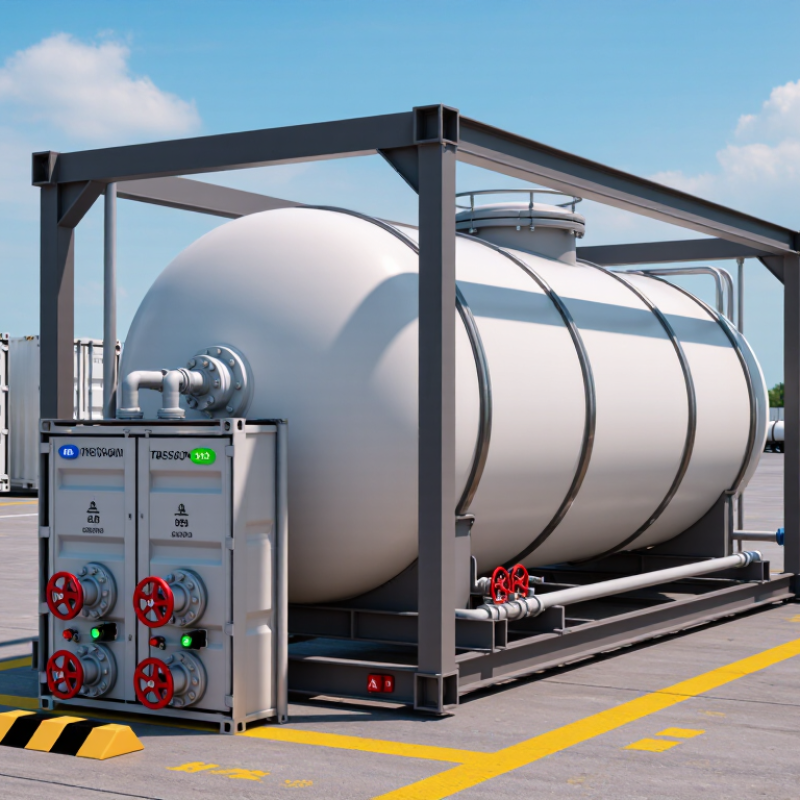
LPG tank containers are pressure vessels held within a transport frame. Most carry propane, butane, or a specified blend in liquid form under pressure. Their working pressure, capacity, fittings, and materials can differ, so the cargo specification matters more than appearance.
Standard pressurized ISO tank containers suit regular bulk transport between terminals, industrial sites, and distribution depots. Their frames fit common intermodal handling equipment, while valves and protective fittings support controlled loading and discharge. Some units have insulation to slow heat transfer. It does not replace pressure-rating checks. Small details matter.
Swap-body tank containers offer another option for road-focused distribution. Their design may suit routes with frequent deliveries or limited access to rail and ports, though dimensions and handling systems need checking. In practice, category labels can blur; confirm the equipment’s actual design documents and intended service rather than relying on a sales description.
For a suitable choice, compare the LPG composition, required payload, route length, climate, and loading connections. Ask a qualified tank specialist to verify pressure limits, inspection status, and compatibility with the product. A container that works well on a short depot route may be inefficient for long intermodal journeys. The best fit depends on the full operating cycle.
| Tank Container Type or Cargo | Typical Characteristics | Common Applications | Key Selection Checks |
|---|---|---|---|
| Standard 20-foot LPG ISO tank container | A pressure vessel mounted in an intermodal frame, designed for the LPG cargoes and transport conditions stated on its approval documents. Many LPG tank containers are uninsulated; specifications vary by design. | Bulk movement of LPG by road, rail, or sea, including supply to storage terminals and distribution networks. | Check the tank data plate, approved cargo list, design pressure and temperature, tare and maximum gross mass, connection arrangement, and route-specific transport approvals. |
| Propane-rich LPG cargo | Propane has a higher vapor pressure than butane at the same temperature. The exact pressure depends on the cargo composition and temperature. | Heating, cooking, industrial fuel, and supply in colder conditions where reliable vaporization is needed. | Confirm that the tank’s approved pressure and temperature limits suit the cargo and expected conditions. Check the cargo specification and applicable filling limits. |
| Butane-rich LPG cargo | Butane has a lower vapor pressure than propane at the same temperature. Its suitability for a particular application depends on climate, equipment, and required vaporization. | Fuel and industrial uses, petrochemical feedstock, and distribution in applications suited to the specified butane grade. | Verify the permitted cargo composition and consider ambient temperature and end-use vaporization requirements. Do not assume every LPG tank approval covers every butane grade. |
| Commercial propane–butane blend | A blend whose composition can vary by market, season, and product specification; its vapor pressure depends on both composition and temperature. | Residential and commercial fuel, autogas supply chains, and industrial applications requiring a specified LPG blend. | Obtain the cargo specification, including composition or vapor-pressure requirements. Confirm compatibility with the tank approval and the receiver’s handling equipment. |
| Tank with a different approved pressure rating | Tank containers may be built or approved to different pressure and temperature limits. A higher rating does not by itself establish suitability for a particular cargo or route. | Transport of specified LPG cargoes when the required operating conditions call for a particular approved tank design. | Compare the cargo’s required conditions with the tank’s nameplate and approval documents. Never select a tank based only on a general “LPG” description. |
| Capacity and payload selection | Usable capacity and payload depend on the individual tank design, cargo density, permitted filling limits, and transport gross-mass limits. | Planning shipment size, loading, route selection, and delivery to storage or distribution facilities. | Use the tank’s certified volume and tare mass, then check cargo-specific filling limits and the maximum gross mass for each transport mode and route. |
| Route- and jurisdiction-approved tank | Required design approvals, inspections, markings, and operating rules depend on the countries and transport modes involved. | Cross-border and multimodal LPG shipments. | Confirm current approvals and inspection status for the full route, including applicable dangerous-goods transport rules, carrier requirements, and destination regulations. |
| Selection note: LPG is transported as a liquefied gas under pressure. Always base compatibility, filling, and operating decisions on the specific cargo specification, tank approval documents, and applicable regulations; do not rely on a generic capacity or pressure value. | |||