How to Choose a Rapid Prototype Machining Service?
Choosing a rapid prototype machining service is not just a matter of finding the lowest quote. The right partner must turn a CAD model into a physical part with dependable dimensions, suitable materials, and a realistic delivery date. A small mismatch in a bore or mounting face can delay an assembly test, even when the part looks correct. Details matter.
Before requesting a quote, define what the prototype needs to prove. Is it checking fit, strength, surface finish, or appearance? Then ask whether the shop can machine your chosen material and hold the tolerances your design actually requires. Review its inspection approach, equipment, and experience with comparable parts. A clear quote should identify material, tolerances, finishing, lead time, and any assumptions. If those details are vague, ask for clarification.
Communication counts, too. A capable service should flag thin walls, deep pockets, or tool-access problems before machining begins, rather than quietly changing the design. Ask how revisions affect cost and schedule. Requesting a sample inspection report can also show how dimensions are verified. Fast delivery helps, but only if the part is useful when it arrives. No checklist removes every risk. Supplier claims still need careful review, and a first prototype may reveal flaws in your own model. Comparing providers on evidence, not promises, makes the choice more reliable—and gives your next design a better chance of working as intended.
Define the Prototype’s Design, Material, and Performance Requirements
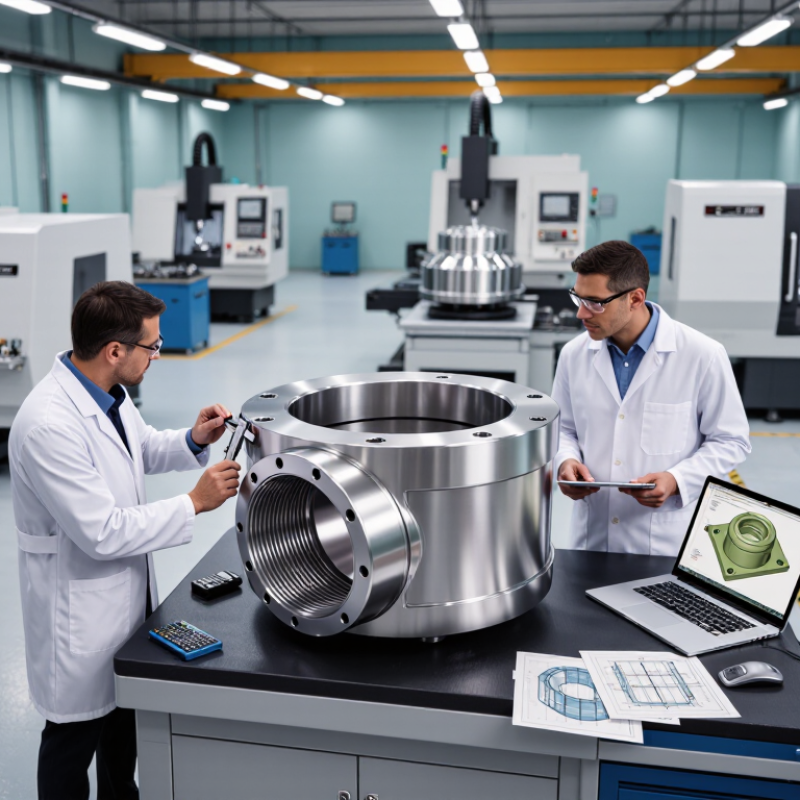
Before choosing a rapid prototype machining service, define what the part must prove. Is it checking fit, appearance, assembly, or performance under load? These goals can require different materials, tolerances, and inspection methods. Small details matter. Note mating dimensions, hole locations, wall thicknesses, and any surfaces that must remain smooth or flat.
Describe the operating conditions with measurable limits. For example, state the expected load, temperature range, and whether the part will contact water, oil, or another component. A prototype can be accurately machined and still answer the wrong question if its material behaves differently from the intended production material. Write down the critical requirements. Not every dimension needs a tight tolerance; applying one everywhere can add cost without improving the test.
Material choice also affects machining time, finish, and test results. Aluminum may suit a lightweight fit check, while an engineering plastic may better represent a low-friction component. Verify that the selected grade can handle the actual conditions. It is tempting to specify the final material immediately, but an easier-to-machine substitute may be useful for an early geometry review. That trade-off is real. Tell the service provider which features are essential, what can vary, and how the prototype will be evaluated. A simple drawing note can prevent an avoidable revision.
Compare Machining Capabilities, Materials, and Tolerances
How to Choose a Rapid Prototype Machining Service?
Compare Machining Capabilities, Materials, and Tolerances
Start with the part’s function, not a supplier’s equipment list. A milled aluminum bracket may need flat mounting faces, while a turned shaft depends on concentric features. Ask which processes can produce the geometry, and whether secondary operations are required. A deep pocket, thin wall, or internal corner can affect both feasibility and price. Request examples of similar features, not just a general capability list.
Material choice changes more than appearance. Aluminum is light and easy to machine, while stainless steel offers strength but may take longer to cut. Plastics can suit housings or low-load fixtures, yet heat and clamping pressure may distort thin sections. Share the operating environment, expected loads, and any finishing needs. If these details are still uncertain, say so; an early prototype should help test assumptions.
Fit matters. Specify tolerances on dimensions that control assembly or function, such as a bearing seat or bolt-hole pattern. Leave noncritical surfaces with practical limits, since unnecessarily tight tolerances can add inspection and machining time. Ask how the service verifies key dimensions: a coordinate-measuring machine may suit complex parts, while calipers may be enough for simpler features. Review the inspection plan and any sample measurements before production. A small inconsistency in a drawing can still cause a costly mismatch. It is worth checking twice.
Assess Quality Controls and Engineering Support
A rapid prototype machining service should explain how it controls quality, not just promise tight tolerances. Ask for inspection records from a comparable part, including the measurement method and critical dimensions checked. Ask for evidence. A coordinate measuring machine can verify complex features, while calipers may suit simpler dimensions. The inspection plan should match the part’s function and material. A tolerance that looks impressive on a quote may add cost without improving performance.
Engineering support matters when a drawing leaves room for interpretation. A capable team can flag thin walls, difficult tool access, or features that may distort during machining. Share the intended use, expected quantity, and any surfaces that need a specific finish. That matters. Request feedback before production, and confirm that revisions will be tracked against the latest CAD file. A clean-looking part can still miss a functional fit, so discuss how mating features will be checked. Some reviews may feel slower than expected; that can be worthwhile if they catch a costly assumption early. Ask who answers technical questions and how inspection findings are handled when a part falls outside specification.
How to Choose a Rapid Prototype Machining Service
Use these suggested 1–5 priority scores as a checklist when comparing suppliers, not as measured vendor ratings. Ask how they verify dimensions and materials, document inspections, provide design-for-manufacturability feedback, and handle design changes.
Evaluate Lead Times, Pricing, and Order Flexibility
When comparing rapid prototype machining services, ask for the calendar time from approved drawing to inspected shipment. A quoted “three-day lead time” may exclude programming, material sourcing, finishing, or transit. Request a dated schedule with those steps separated. For a tight deadline, confirm whether the shop can machine your actual material and tolerances, not just a similar sample. Ask what happens if inspection finds a deviation. Promises are cheap.
Price each quote against the same specification. Check setup and programming fees, minimum order charges, surface finishing, inspection, packaging, and shipping. Then compare the cost of one part with the cost of five; setup can make small orders unexpectedly expensive. Deloitte’s 2024 Smart Manufacturing Survey found that 86% of surveyed manufacturing executives expect smart manufacturing to drive competitiveness within five years. That figure is not a machining-service benchmark, but it underscores why clear digital quoting and production updates matter. A polished portal still cannot guarantee a reliable delivery date.
Order flexibility matters when a prototype changes after the first fit check. Ask whether the supplier accepts small batches, mixed part revisions, and late drawing updates, and how each change affects price and schedule. Confirm whether unused material or canceled operations incur fees. A neat comparison sheet can hide these details. It is easy to overvalue the lowest quote; the less comfortable question is whether the shop can explain its assumptions plainly.