
Custom sheet metal parts in as little as 3 days - Get a quote now!

Why Choose a Car Wiring Harness Duct Machine?

A vehicle wiring harness needs more than wires and connectors. Its ducts help route and protect cables around tight bends, mounting points, and moving components. Producing these parts consistently can be challenging when dimensions vary or production volumes rise. That is where a Car Wiring Harness Duct Machine may help. Depending on its configuration, it can support tasks such as feeding, cutting, forming, or processing duct material with repeatable settings.

The practical benefit is not simply faster output. A well-matched machine can help reduce handling variation, improve dimensional consistency, and make production easier to monitor. Operators still need clear setup instructions, suitable tooling, and routine checks. Still, automation is not magic. Material differences, duct geometry, and maintenance can affect results, so buyers should compare machine capabilities with actual part drawings and production targets. A small bend radius, for example, may demand different tooling from a straight protective channel. These details matter.

This guide explores why manufacturers consider a Car Wiring Harness Duct Machine, which features deserve attention, and how to assess its fit for a production line. It also recognizes a limitation: equipment specifications alone cannot guarantee better quality. Process trials and realistic evaluation are essential. The right choice should support dependable output without adding unnecessary complexity.
Why Choose a Car Wiring Harness Duct Machine?

What Is a Car Wiring Harness Duct Machine?

Why Choose a Car Wiring Harness Duct Machine?

What Is a Car Wiring Harness Duct Machine?

A car wiring harness duct machine processes protective channels used to organize and shield vehicle wires. Depending on its design, it may feed duct material, form or shape it, and cut it to specified lengths. Some systems also support repeatable slotting or other finishing steps. The finished duct helps keep wires grouped and routed neatly through a vehicle.

That matters.

A machine’s setup depends on duct material, profile, dimensions, and required cut length. Operators check samples for clean edges, consistent shape, and fit with the harness and mounting points. Even small variations can make assembly harder. Automation can improve repeatability, but it does not replace inspection. A duct may look tidy yet still fit poorly around a connector or bend.

That is easy to overlook. For a useful production choice, match the machine’s capabilities to real parts and tolerances, then verify output during routine runs. Even a well-adjusted machine needs occasional review as materials and production requirements change.

How Does the Machine Form and Cut Wiring Ducts?

Why Choose a Car Wiring Harness Duct Machine?
How Does the Machine Form and Cut Wiring Ducts?

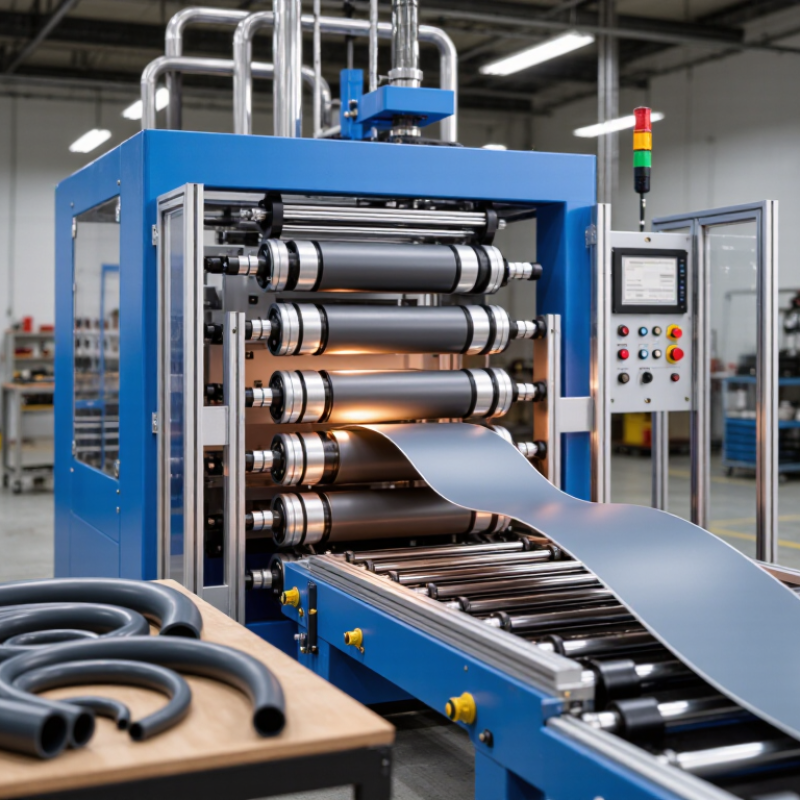
A car wiring harness duct machine guides plastic material through forming and cutting stations. Depending on its design, heated material may pass through a die that shapes a channel, while rollers keep the profile steady. The formed duct then travels to a cutting unit. A sensor or programmed stop sets the required length, and a blade makes a clean cross-cut. The result is a duct section ready for harness routing. Small variations in material temperature or feed speed can affect the edges, so operators check early pieces carefully.

Tips: Confirm the target length and profile before production. Inspect cut ends for burrs, distortion, or cracks. A short test run helps catch setup issues.

Good control matters more than speed alone. Keep guides aligned so the duct does not twist as it moves. Match the cutting method to the material and wall thickness; a dull blade can leave rough edges. Record settings that produce consistent parts, but verify them after material changes. This is practical work, not magic. A setup may need adjustment, and the first piece is not always the best one. A careful visual check helps prevent poorly fitting ducts from reaching assembly.

Why Choose a Car Wiring Harness Duct Machine? How Does It Form and Cut Wiring Ducts?

Process or feature How the machine works Practical result What to check
Profile feeding and alignment Guides and rollers position the preformed duct before processing. Sensors or mechanical stops can help keep it aligned. More consistent positioning for cutting and any configured secondary operations. Confirm the guide setup suits the duct width, height, and profile.
Length setting and measurement An operator enters a target length or sets a stop; an automated system may use a measuring encoder to control feed distance. Duct sections can be prepared to match harness routing and assembly requirements. Verify the measurement method and tolerance against the part drawing.
Cutting A blade, saw, or other specified cutting tool severs the duct at the set length. The tool type depends on the material and machine design. Produces separate duct sections for harness assembly. Check cut length, squareness, edge condition, and material compatibility.
Profile forming or shaping Many cut-to-length machines process an already formed duct profile. If the machine includes a forming station, it may shape compatible material using dedicated tooling. The finished profile depends on whether forming is part of the machine or is completed upstream. Confirm the machine’s actual process; extrusion and profile forming are not included in every duct cutting system.
Optional secondary operations Depending on its tooling, a system may include features such as drilling, notching, or end processing. Can reduce handling when the specified duct design needs additional operations. Match each operation to the drawing and verify it on sample parts.
Why use a dedicated machine? Purpose-built guides, cutting tools, and controls can make repeat production easier than manually measuring and cutting every section. May improve repeatability and workflow when the machine is correctly set up and maintained. Compare cycle requirements, changeover needs, operator safety features, and the range of duct profiles to be processed.

Note: Machine capabilities vary. Confirm material, profile, dimensions, tolerances, tooling, and included operations with the equipment specifications before selection.

Which Production Challenges Can It Address?

Car wiring harness ducts must fit around bends, clips, and crowded vehicle spaces. Manual cutting can produce uneven lengths, rough edges, and inconsistent work rates. These small variations may slow assembly or leave technicians trimming parts by hand. A dedicated duct machine can feed and cut material at controlled lengths, helping teams manage repetitive production with steadier results.

It can also address labor bottlenecks and avoidable material waste, especially when orders require many similar pieces. With suitable tooling and settings, operators can process different duct sizes without repeating every task manually. Still, a machine cannot correct poor material quality or an inaccurate setup. Feed alignment, blade condition, and sample measurements need regular checks. Changeovers may take longer than expected, too. That is worth reviewing before estimating output.

Tips: Test a short batch after each setup change. Check cut length and edge quality, then record the settings. Keep one imperfect sample for comparison; it can reveal drift before a full run is affected.

What Benefits Does It Offer to Automotive Manufacturers?

A car wiring harness duct machine helps manufacturers turn plastic protection channels into repeatable, assembly-ready parts. It can feed, measure, cut, and slot ducts with controlled settings, reducing manual trimming and uneven ends. Small errors matter. Clean cuts help ducts fit wire bundles, while consistent lengths support repeatable routing through clips and bends. OICA reported global motor-vehicle production of 93.5 million units in 2023, highlighting the scale manufacturers must serve (OICA, 2024).

Automation can also support production flexibility. The IEA’s Global EV Outlook 2024 reports nearly 14 million electric cars sold in 2023, around 18% of global car sales. As vehicle platforms change, programmable duct processing can help teams handle different dimensions and layouts. It may also shorten changeovers and improve process consistency, though results depend on machine setup and operator training. It will not fix every bottleneck. Poorly specified feed paths can still cause jams or scrap.

Tips: Match machine capacity to duct material, dimensions, and model-change frequency. Test a pilot batch, then inspect cut edges, slot positions, and fit around actual harness bundles. Track scrap and changeover time before estimating savings.

What Factors Should Guide Machine Selection?

Machine selection should begin with the duct you actually produce, not the machine’s headline speed. Record duct width, wall thickness, material, cut length, and the range of shapes used across current jobs. A machine that handles one sample neatly may struggle with a thicker section or a tight bend. Test representative parts. Small details matter.

Then compare output rate with real production conditions, including loading, cutting, and changeover time. Ask how settings are adjusted and stored, and whether operators can spot misfeeds or incomplete cuts. Clear guarding, accessible emergency stops, and practical maintenance access support safer, steadier operation. Check blade replacement intervals and the availability of technical documentation. These details affect downtime.

Floor space and future product changes deserve attention, too. A compact machine may fit the line but leave little room for service access. Review the control interface with the people who will use it daily. If possible, run your own duct and harness samples before choosing. A demonstration can reveal noise, scrap, or awkward handling that a specification sheet misses. I would not treat quoted capacity as a guarantee; actual results depend on material, setup, and operator experience. Decide which trade-offs your line can tolerate.

Why Choose a Car Wiring Harness Duct Machine?

What factors should guide machine selection?

The ratings are an illustrative evaluation framework, not measured industry data or universal machine specifications. Compare candidate machines against your actual duct dimensions, production targets, required operations, changeover needs, and available floor space.