
Custom sheet metal parts in as little as 3 days - Get a quote now!

How to Choose the Best Vehicle Hail Damage Scanning System?

In recent years, hail damage has become a significant concern for vehicle owners and insurance companies alike. According to data from the National Oceanic and Atmospheric Administration (NOAA), storms producing hail accounted for approximately $1 billion in damages annually. This alarming trend underscores the need for effective assessment tools, such as the Vehicle Hail Damage Scanning System.

Choosing the right scanning system can be challenging for auto repair professionals. A recent industry report indicates that 75% of shops face issues with inaccurate damage assessments. Opting for a reliable scanning system can lead to precise evaluations, ensuring proper repairs and customer satisfaction. However, not all scanning systems on the market provide consistent results. Some may lack the necessary technology for thorough inspections or fail to deliver user-friendly interfaces.

Investing in a high-quality Vehicle Hail Damage Scanning System is crucial. The right system can significantly reduce processing times and improve accuracy. However, even the best systems require training and experience to maximize their effectiveness. Evaluating a system’s performance and usability is vital for any repair shop aiming to thrive in a competitive market.
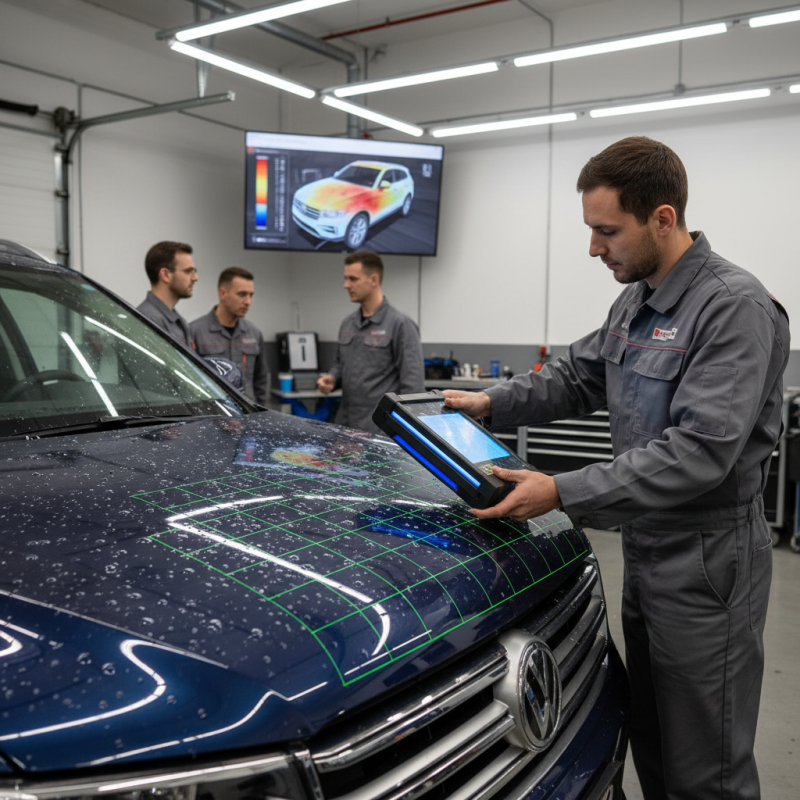
How to Choose the Best Vehicle Hail Damage Scanning System?

Understanding Vehicle Hail Damage: Types and Impacts on Vehicles

Hail damage can affect vehicles in various ways. It can cause both cosmetic and structural issues. Dents and scratches are the most visible problems. They diminish the vehicle's appearance and resale value. More severe damage may lead to paint chipping and rusting. This often occurs when hail breaks through the protective layers. Such issues can escalate if not addressed promptly.

Understanding the types of hail damage is essential. Dents vary in size and depth. Smaller, shallower dents may be easy to fix. However, larger, deeper dents often require more specialized repair. The impacts also depend on the vehicle's construction. Metal panels may sustain more damage than plastic ones. Additionally, severe hail can crack windows and damage roofs. This leads to costly repairs and safety concerns.

Choosing a hail damage scanning system involves knowing these impacts. A thorough assessment helps in identifying hidden damage. Vehicles can appear fine on the surface but have underlying issues. This makes expert evaluation, along with reliable scanning technology, crucial. Continuous improvement in these systems is necessary to ensure precise assessments. Investing in advanced scanning tools provides better insights and helps prevent future problems.

Key Features of Vehicle Hail Damage Scanning Systems

When selecting a vehicle hail damage scanning system, understanding key features is crucial. One essential aspect is the resolution of the scanning technology. Higher resolution means more detail in damage assessment. This precision helps technicians identify issues that may not be visible at a glance. It's important to note that not all systems deliver the same level of clarity.

Another feature to consider is the speed of the scanning process. Quick scanning capabilities can help streamline operations in busy repair shops. However, faster isn’t always better. A system that sacrifices detail for speed may lead to oversight. It’s essential to balance efficiency with thoroughness for accurate evaluations.

User-friendliness is also a vital factor. A complicated interface can hinder effective use. Technicians should be able to operate the system with minimal training. Training time should not overshadow practical use. Additionally, the ability to integrate the scanning system with existing software can enhance workflow. Reflecting on these features ensures a more informed choice, making it easier to avoid potential pitfalls.

Comparative Analysis of Top Vehicle Hail Damage Scanning Technologies

Selecting the right vehicle hail damage scanning system involves understanding various technological options available in the market. A comparative analysis reveals significant differences among leading scanning solutions. Each technology has unique features that address specific needs, such as accuracy and speed of damage detection.

Advanced image processing techniques, for example, enhance overall inspection efficiency. According to a 2022 industry report, systems using infrared scanning demonstrated a 30% increase in detection precision compared to traditional methods. However, the reliance on high-resolution imaging can lead to issues in low-light conditions, causing some users to question its reliability during night inspections.

Another notable approach is the use of LIDAR technology. This method offers precise depth measurements, helping assess dents and dings accurately. Nonetheless, real-world performance can vary, and some technicians have reported inconsistent readings, prompting manufacturers to iterate on their designs. Proper training is essential to maximize the potential of these high-tech tools and mitigate user errors. The effectiveness of a hail damage scanning system ultimately depends on understanding these strengths and weaknesses.

Industry Standards for Hail Damage Detection and Scanning Accuracy

When choosing a vehicle hail damage scanning system, understanding industry standards is crucial. Effective detection relies on precise scanning accuracy. Technologies may vary, but accurate measurements are essential for assessing the extent of damage. Look for systems that provide clear visualizations and reliable metrics.

A key aspect is the calibration of the scanning devices. Inconsistent measurements can lead to misdiagnosis. Consider how often a system is calibrated and if it meets industry benchmarks. Some systems may not perform well in specific conditions. For example, poor lighting can obscure damage, leading to incomplete scans.

Training and expertise are also vital. Operators need proper training to interpret scan results accurately. Even experienced technicians can misread data without thorough training. Regular assessments of both the equipment and operation processes are necessary to maintain high standards. Adherence to industry guidelines boosts reliability and trust in the scanning process.

Vehicle Hail Damage Detection Accuracy

Cost-Benefit Evaluation of Advanced Hail Damage Scanning Systems

When evaluating advanced hail damage scanning systems, consider the cost-benefit aspects carefully. According to industry reports, efficient systems can reduce repair time by up to 30%. This efficiency translates to lower labor costs and quicker turnaround times for vehicle inspections. In turn, it enhances customer satisfaction and fosters trust with clients.

Not all systems are created equal. While some may promise high precision, they can come at a steep price. Balance is vital. You might find a mid-range scanner that performs efficiently without breaking the bank. Look for features like real-time data processing and User-Friendly Interfaces, which can significantly impact your operations.

Tips: Invest in training staff on new systems. This ensures quick adoption and maximizes the technology's potential. Always check user reviews and seek testimonials. This can offer insights into real-world performance. Lastly, consider the total cost of ownership. Often, cheaper systems lead to more frequent replacements or repairs. Reflect on how long you expect the equipment to last and factor that into your budget.