China Top 10 Hydrated Lime Mixer Manufacturers?
Hydrated lime is a fine, reactive powder, and mixing it evenly can be harder than it looks. A well-matched Hydrated Lime Mixer helps reduce dry pockets, limit material buildup, and support steady downstream production. Yet performance depends on more than the machine’s name or rated capacity. Feed consistency, batch size, moisture, and the required mixing time all shape the result. Details matter.
This guide introduces ten manufacturers associated with hydrated lime mixing equipment and explains what buyers may want to compare. Consider mixer design, working volume, motor power, wear-resistant surfaces, dust-control options, and access for cleaning. Ask suppliers how they handle powder bridging and whether they can provide process references or test data for similar materials. A brochure alone is not proof. Request clear specifications and confirm that quoted figures match your operating conditions.
There is no universal shortlist for every plant. A compact batch mixer may suit one operation, while another needs a continuous system integrated with conveyors and dosing equipment. Manufacturer availability and product ranges can also change, so verify current details directly. Some comparisons will remain imperfect, especially when suppliers disclose different levels of technical information. Treat this overview as a practical starting point, then assess each option against your own material, layout, and maintenance needs. Fit comes first.
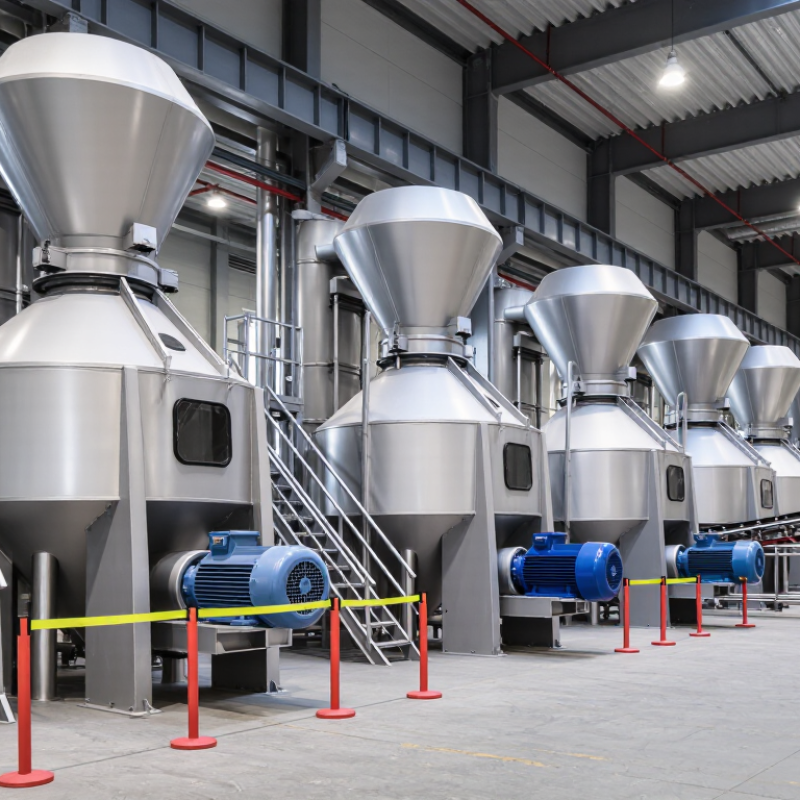
What Hydrated Lime Mixers Are and How They Work
A hydrated lime mixer blends calcium hydroxide powder with water or other ingredients to create a consistent slurry or dry blend. Its job is to distribute particles evenly, reduce lumps, and keep material moving through the vessel. In slurry service, controlled water feeding and steady agitation help prevent settled solids. A visible dry pocket near the tank wall is a useful warning.
The mixer does not make hydrated lime from quicklime; that requires a separate slaking process. That distinction is easy to miss. Paddle, ribbon, and high-shear designs suit different moisture levels and production rates. Operators should consider powder feed consistency, mixing time, cleanability, and dust containment. More speed is not always better; excess shear can waste energy without fixing poor feeding.
The USGS Mineral Commodity Summaries 2024 estimated U.S. lime production at 17 million metric tons in 2023, covering both quicklime and hydrated lime. This signals a substantial materials-handling sector, though it is not a mixer-sales figure. ASTM C110 provides standard physical test methods for lime, including fineness checks. Those tests can help buyers compare incoming powder, but they do not replace trials with the actual mixer and recipe. A small pilot batch may reveal issues that a specification sheet misses.
How Hydrated Lime Forms: Ideal Reaction Mass Balance
Hydrated lime is produced when quicklime (calcium oxide) reacts with water. The chart shows the theoretical mass balance for 100 kg of quicklime.
Reaction: CaO + H₂O → Ca(OH)₂. Theoretical stoichiometry requires about 32.1 kg of water per 100 kg of quicklime, producing about 132.1 kg of calcium hydroxide. Actual mixer and hydrator operations may use additional water, depending on the process and product requirements.
Main Types of Hydrated Lime Mixing Equipment
Hydrated lime mixing equipment is selected by batch size, moisture level, and the required blend uniformity. Ribbon and paddle mixers use horizontal troughs with rotating blades. They suit dry lime blends and modest additive loads, though mixing time depends on fill level and blade design. Check for powder left around seals and corners. Dust matters.
Ploughshare mixers use fast-moving plough-shaped tools to circulate powder through the vessel. Optional choppers can break soft lumps, but they do not replace good material handling.
Twin-shaft mixers move material between two rotating shafts, making them useful for larger or continuous processes.
Pan mixers are another option when water is added to form a damp mixture; their action helps distribute moisture, but excess water can cause sticking. Not always the best choice.
In practice, operators should compare cleanout access, wear parts, dust extraction, and how the mixer handles the actual lime grade. A machine that performs well with one powder may behave differently with another. Small trial batches can reveal dead zones or uneven moisture before full-scale installation. No single mixer fits every plant, and selecting by capacity alone is an easy mistake.
How to Evaluate Hydrated Lime Mixer Manufacturers in China
When evaluating hydrated lime mixer manufacturers in China, start with the process, not the catalogue. Hydrated lime is fine, dusty, and can form stubborn deposits when moisture enters the system. Ask how the mixer handles your actual batch size, target blending time, and feed method. Specific answers matter.
Request test data using a material with similar particle size and moisture. Check how uniformity was measured, and whether results cover repeated batches rather than one successful run. Look closely at shaft seals, liners, access doors, and discharge gates. These details affect dust control, cleaning time, and wear. Small parts matter.
A factory visit or live video inspection can reveal more than polished photos. Watch a full mixing and discharge cycle, and ask operators how they clear buildup around corners. Request drawings, motor specifications, maintenance intervals, and a clear list of included components. Then compare delivery scope, installation support, spare-parts availability, and response times. Get these details in writing. It is easy to focus on price; that can be a mistake. Still, higher cost alone does not prove better engineering. Compare evidence against your operating conditions, and note what remains untested.
Comparing Manufacturer Capabilities and Equipment Options
When comparing China’s hydrated lime mixer manufacturers, look beyond catalogue capacity. A stated output of ten tonnes per hour may assume dry, free-flowing material. Lime with varying moisture can behave differently. Ask how the supplier defines capacity and whether test data reflects your feed conditions. Request drawings showing the mixing chamber, shaft arrangement, discharge gate, and access points.
Equipment options should match the process, not just the budget. Compare batch and continuous designs, liner materials, seal construction, drive protection, and dust extraction connections. Ask how operators inspect wear parts and clear buildup without lengthy shutdowns. A larger motor is not always better. Mixing quality, residence time, and consistent feeding matter too. Small details count.
A capable manufacturer can explain these trade-offs clearly and provide relevant operating references, inspection records, and practical maintenance guidance. If possible, arrange a material trial using a representative sample, then check blend uniformity and discharge behavior. One limitation: a short trial may not reveal long-term wear or seasonal changes. It is worth asking what remains uncertain before choosing the equipment.
