Discover the Best Intelligent PID Series Electric Actuators Today?
In the rapidly evolving landscape of automation, Intelligent PID Series Electric Actuators have emerged as essential components in various industries. According to a recent market report by MarketsandMarkets, the global electric actuator market is projected to grow from USD 10.9 billion in 2021 to USD 16.3 billion by 2026. This growth reflects a rising demand for precise control mechanisms in applications such as manufacturing, oil and gas, and smart buildings.
These actuators leverage advanced algorithms for seamless integration with control systems. Their ability to deliver accurate and responsive adjustments underscores their value in complex processes. However, selecting the right actuator can be challenging, as the market is flooded with options. Key factors like response time, load capacity, and operational efficiency should always be evaluated.
Despite their advantages, potential users must consider integration challenges. Not all electric actuators are compatible with existing systems, which may require additional modifications. Understanding the specific needs of your application is crucial for making informed decisions. Intelligent PID Series Electric Actuators represent a significant advancement, but careful analysis and expert advice can prevent costly mistakes.
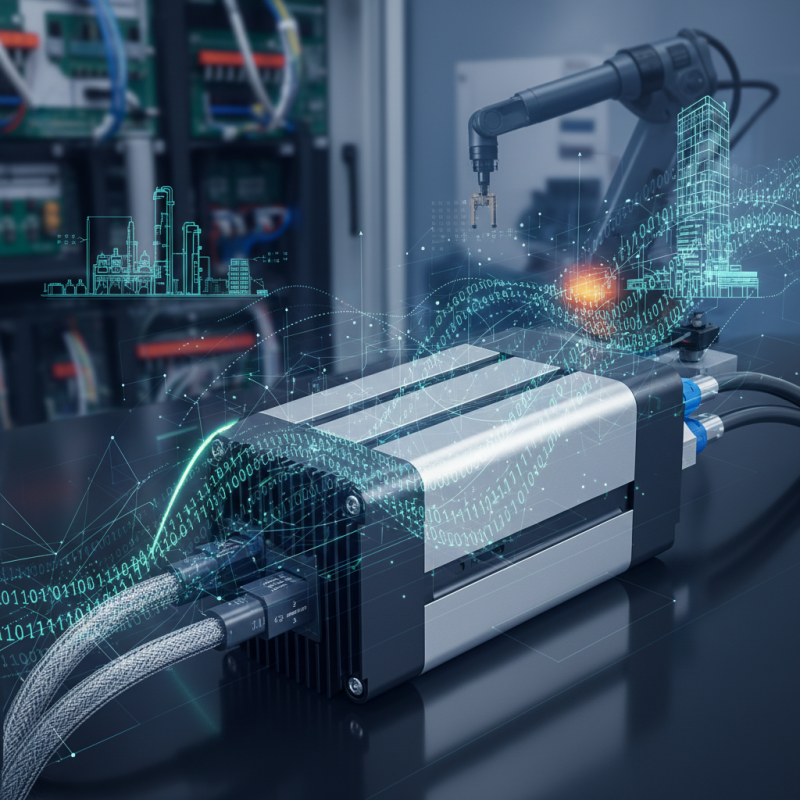
Understanding PID Control and Its Importance in Automation
PID control, or Proportional-Integral-Derivative control, is essential in automated systems. It provides a reliable method for maintaining control over processes. According to a report by the International Society of Automation, about 70% of industrial processes utilize PID controllers. This statistic highlights the importance of PID control in achieving stability and precision in various applications.
Understanding PID control helps improve efficiency. The proportional element adjusts the control output based on the current error value. The integral element considers past errors. The derivative element predicts future errors based on the current rate of change. Many industries, including manufacturing and HVAC, rely on these principles for fine-tuning processes. A study by MarketsandMarkets indicates that the global market for PID-controlled devices is expected to reach $55 billion by 2025.
However, achieving optimal PID control is not always straightforward. Often, tuning these controllers can pose challenges. Inaccurate tuning can lead to overshoot or oscillation, negatively impacting system performance. Facilities often invest time and resources into refining their PID parameters. Continuous learning is crucial for maximizing the effectiveness of PID control in automation. Balancing responsiveness with stability remains a complex yet vital goal for engineers.
What Are Electric Actuators and How Do They Work?
Electric actuators play a critical role in modern automation systems. They convert electrical energy into mechanical motion, using electric motors to manage various operations. According to industry reports, the global market for electric actuators is projected to grow significantly, reaching approximately $10 billion by 2025. This growth is driven by increased demand in industries such as automotive, aerospace, and manufacturing.
The working principle of electric actuators involves the control of the motor via a PID (Proportional-Integral-Derivative) controller. The PID controller ensures precision in adjusting the actuator's position or speed. This process is essential for applications requiring high reliability and accuracy. For example, in a manufacturing line, even a slight deviation can lead to significant inefficiencies.
Tips: Regular maintenance can enhance the lifespan of electric actuators. Monitor your systems for any unusual noises or vibrations. These could be early signs of issues.
Understanding the various types of electric actuators is vital. They include rotary and linear actuators, each suited for different applications. Rotary actuators are ideal for valve control, while linear actuators excel in applications requiring direct pushing or pulling. While electric actuators offer many advantages, their selection must reflect the specific needs of your application. This approach helps prevent costly mistakes and ensures optimal performance.
Key Features of Intelligent PID Series Electric Actuators
Intelligent PID series electric actuators have gained popularity due to their precise control capabilities. These actuators utilize a proportional-integral-derivative control algorithm, which enhances their responsiveness and accuracy in adjusting processes. Users value the way these actuators minimize overshoot and stabilize control mechanisms. Their ability to learn and adapt is impressive, allowing them to optimize performance in various applications.
Key features of these actuators include a straightforward setup process and user-friendly interfaces. Many models offer digital displays that visualize performance data. This feature is invaluable for troubleshooting and monitoring. Additionally, they are designed to operate in diverse environments, handling fluctuations in temperature and humidity with ease. However, users often face challenges in understanding the full range of settings and adjustments available.
These actuators are also known for their energy efficiency. They often consume less power compared to traditional models, which can lead to cost savings. Reliability is a significant consideration; while many units perform exceptionally well, occasional calibration is necessary. This need for periodic maintenance can be a drawback for some users who prefer minimal intervention. Understanding these complexities can help users maximize the potential of intelligent PID series electric actuators.
Comparing Popular Brands and Models of PID Electric Actuators
When it comes to PID electric actuators, distinguishing the best models can be challenging. Numerous brands offer varying degrees of performance, reliability, and features. One major consideration is durability. Different materials used in construction can impact the actuator's lifespan and resistance to environmental factors. Some models incorporate advanced weatherproofing, making them ideal for outdoor applications.
Another aspect worth exploring is the control precision of these actuators. Some systems offer enhanced feedback mechanisms, resulting in improved response times and control accuracy. This is crucial in industrial settings where process automation demands quick adjustments. Additionally, user interfaces and control options can vary widely. Models might have simple interfaces, while others provide complex programmable features. This diversity means users should weigh their specific requirements carefully.
Budget is always a factor. Higher-priced actuators often promise advanced technology and longevity, but not every application requires these. In some cases, less expensive models suffice, even if they lack the latest features. Understanding the specific needs and limitations can help guide your choice. Evaluating multiple options and reading user reviews can also shed light on the experiences of others.
Applications and Benefits of Using Intelligent PID Actuators in Industry
Intelligent PID actuators have emerged as a game-changing solution in industrial automation. These devices give precise control of processes by continuously adjusting their output based on real-time feedback. They are crucial in applications like temperature control, flow regulation, and pressure management. Their ability to maintain optimal performance enhances productivity and reduces energy waste.
Using intelligent PID actuators can lead to significant cost savings. They streamline operations and improve accuracy, which reduces the likelihood of errors. By minimizing excessive wear on equipment, they further prolong machinery life. Industries that utilize them often report higher efficiency levels due to optimized processes and reduced downtime.
Tip: Regular maintenance of these actuators is essential. Check the calibration settings frequently to ensure ongoing accuracy.
Selecting the right actuator for specific processes can be challenging. It's important to consider factors such as load capacity and response time. Sometimes, the latest technology may not be the best fit for every situation. Make sure to assess your unique operational needs before making a decision.
Tip: Always involve your team in the selection process. Their insights can guide you toward better choices.
