Best Inox Sheet Suppliers for Global Procurement Needs?
Inox Sheets have gained significant popularity in various industries for their durability and resistance to corrosion. When sourcing Inox sheets, global procurement teams face a multitude of options. Identifying the best suppliers requires careful evaluation of quality, reliability, and service. In this competitive market, not every supplier meets the high standards that companies require.
Many businesses rely on Inox sheets for projects ranging from construction to manufacturing. However, variations in product quality can impact project outcomes. Establishing partnerships with reputable suppliers ensures that procurement needs are met consistently. It’s essential to assess each supplier's track record. Some may promise quality but fall short in delivery or customer service.
Choosing the right partner in the Inox sheet supply chain can streamline operations. Yet, companies must remain vigilant. Periodic reviews and feedback loops can help maintain supplier accountability. Ultimately, the right suppliers not only provide materials but also support long-term business goals. This guide will explore the landscape of Inox sheet suppliers to assist in making informed procurement decisions.
Overview of Inox Sheets and Their Applications
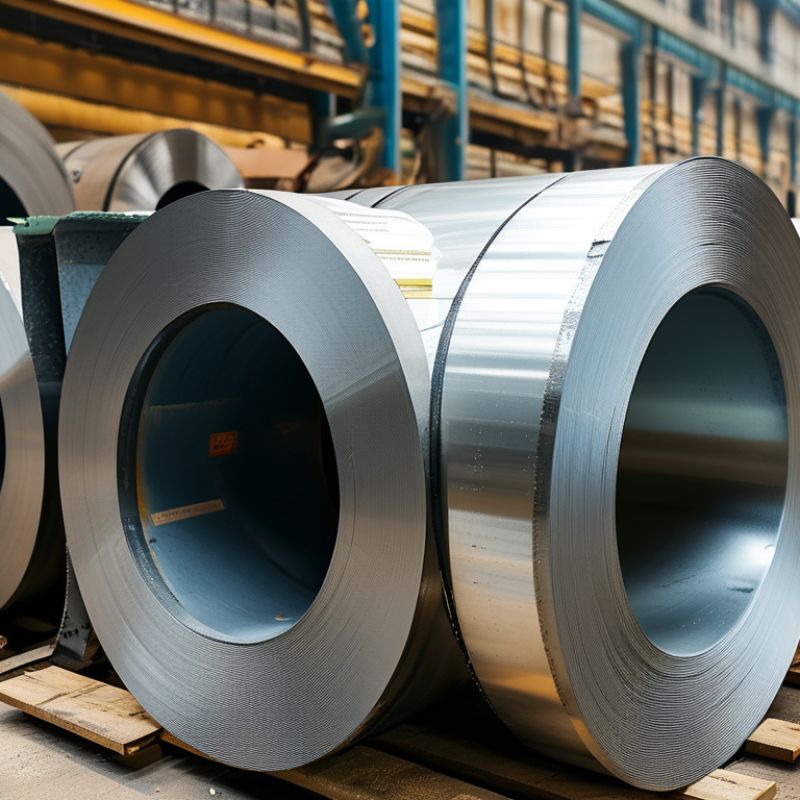
Inox sheets, commonly known as stainless steel sheets, are essential materials in various industries. They are prized for their corrosion resistance, strength, and aesthetic appeal. The global demand for these sheets continues to rise, driven by their applications in construction, automotive, and food processing sectors. According to a recent industry report, the global stainless steel market is anticipated to reach approximately $180 billion by 2025. This growth reflects the increasing reliance on durable materials.
Inox sheets can serve a wide range of functions. In construction, they are used for roofing, wall cladding, and architectural elements. The food industry utilizes them for equipment and surfaces that require high hygiene standards. Their versatility makes them suitable for both functional and decorative purposes in many applications. However, sourcing high-quality Inox sheets can be a challenge due to the vast number of suppliers.
Tip: When selecting a supplier, consider their certifications and product quality. It’s also wise to look into their customer reviews and industry reputation. Aim for suppliers that offer consistent material grades and reliable delivery schedules. In an era where sustainability matters, check if they uphold environmentally friendly practices. Remember, not all suppliers maintain the same standards.
Key Factors to Consider When Selecting Inox Sheet Suppliers
Choosing the right Inox sheet supplier is crucial for global procurement needs. Several key factors come into play. Start by assessing the supplier's industry experience. A well-established supplier often has better insight into market trends. This experience can be invaluable, particularly in a fluctuating market.
Quality assurance is another vital consideration. Suppliers should have clear quality control processes. Certificates of compliance can indicate reliability. However, certifications alone do not guarantee quality. Sometimes, batches may not meet expectations, leading to unexpected delays.
Shipping and logistics are also significant elements. A supplier with robust logistics can help ensure timely delivery. Yet, even the best logistics can fail. Natural disasters or political unrest can disrupt schedules. Suppliers should offer flexible options to handle such uncertainties.
Top Global Suppliers of Inox Sheets: A Comparative Analysis
In the realm of inox sheet procurement, understanding supplier capabilities is crucial. Many global suppliers provide diverse stainless steel options, but sourcing from the right ones can significantly impact quality and cost. Different suppliers offer unique advantages, ranging from product variety to customizable solutions. Some excel in bulk production, while others focus on niche markets.
The comparative analysis of these suppliers helps in assessing their strengths and weaknesses. For instance, certain suppliers may have more stringent quality control processes. However, these measures can lead to higher costs, posing a dilemma for budget-sensitive projects. Additionally, lead times can vary widely; some suppliers might guarantee quick shipping, while others may require longer fulfillment periods. Comparing these aspects is vital to making informed decisions in procurement.
A critical examination of supplier reliability is also essential. Companies should consider factors such as customer service responsiveness and post-purchase support. Some suppliers may promise more than they can deliver, leading to frustration. It's prudent to look into customer reviews and case studies for insight. Every supplier has its area of expertise, but aligning this with your specific needs ensures better outcomes in procurement endeavors.
Sustainability Practices Among Leading Inox Sheet Suppliers
In recent years, sustainability has become a priority for many inox sheet suppliers. The growing focus on environmentally friendly practices has prompted suppliers to adopt innovative solutions. Efficient energy use during production is crucial. Reducing waste and recycling materials are also integral components of their strategies.
However, challenges exist. Many suppliers still rely on traditional methods that consume more resources. This can hinder progress towards more sustainable practices. Not all suppliers have the same level of commitment. Some may implement superficial changes to appear eco-friendly without making significant improvements.
Transparency in sourcing materials is another area needing attention. Ethical sourcing practices help ensure that raw materials are obtained responsibly. When suppliers openly share their practices, it builds trust with procurement teams. Consumers increasingly demand accountability. Suppliers must rise to this challenge to remain competitive and relevant in today’s market.
Best Inox Sheet Suppliers for Global Procurement Needs - Sustainability Practices Among Leading Inox Sheet Suppliers
| Supplier Location | Sustainability Certification | Recycled Content (%) | Energy Efficiency Practices | Waste Management Practices |
| USA | ISO 14001 | 30% | Solar Power Integration | Zero Waste Initiative |
| Germany | EMAS | 25% | High-Efficiency Machines | Recycling Program |
| Japan | Green Mark | 20% | Energy Recovery Systems | Waste Reduction Strategy |
| India | SA8000 | 15% | Efficient Production Techniques | Comprehensive Recycling Efforts |
| China | ISO 50001 | 18% | Smart Factory Practices | Waste Reduction Measures |
Future Trends in the Inox Sheet Supply Market for Global Procurement
The Inox sheet supply market is evolving rapidly. Suppliers must adapt to shifting global procurement needs. Sustainability is becoming a top priority. Companies are investing in eco-friendly production methods. This trend affects pricing and availability. Consumers are now more conscious about material sourcing, pushing suppliers to highlight their environmental efforts.
Digital transformation is also impacting the Inox sheet market. E-commerce platforms are emerging as crucial tools for global procurement. They provide access to a broader range of suppliers and products. However, this shift presents challenges in quality control and assurance. Buyers must ensure they choose reputable sources. Supply chain transparency is essential for long-term relationships.
Emerging technologies could reshape the supply chain landscape. Automation and AI can streamline operations, improving efficiency. Yet, not all suppliers are ready for this change. Smaller companies might struggle to adopt new technologies. This gap could create imbalances in the market. Stakeholders must remain vigilant. They need to stay updated on market shifts to make informed decisions.
Global Inox Sheet Supply Trends (2023)
