
Custom sheet metal parts in as little as 3 days - Get a quote now!

Who Are the Best Aftermarket RC Parts Suppliers in China?

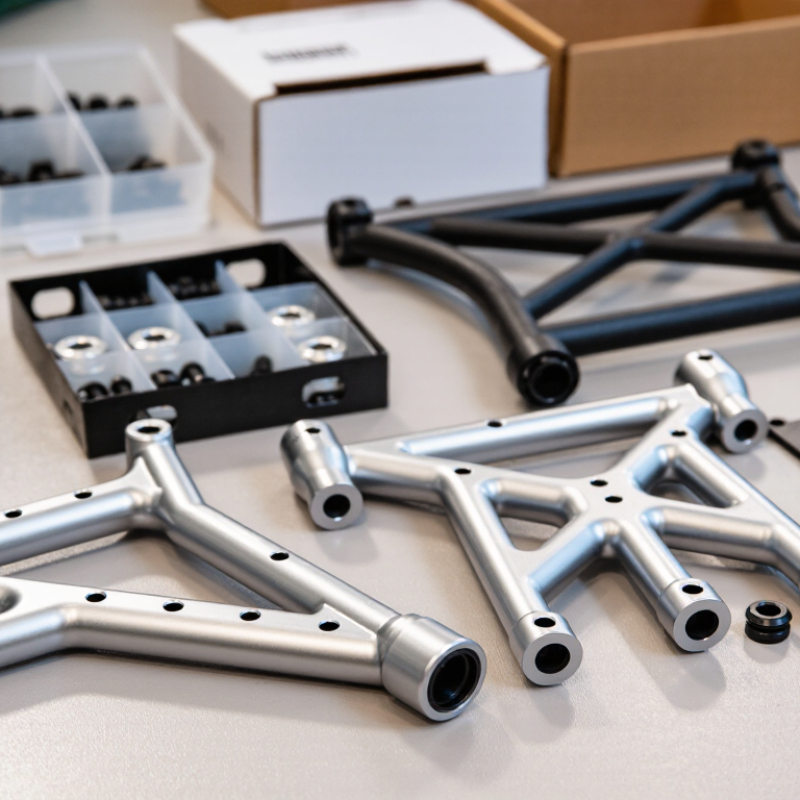
Choosing the best Aftermarket Rc Parts suppliers in China takes more than comparing prices or browsing polished product photos. Buyers need to assess machining quality, material consistency, fit, and the supplier’s ability to communicate clearly. A suspension arm may look impressive online, yet its mounting holes and finish tell a more useful story. Ask about material specifications, production checks, and sample availability before placing a larger order. Small details matter. Packaging, labeling, and replacement-part availability can also affect the experience after delivery.

This guide explores how to compare suppliers using practical, verifiable criteria rather than broad promises. Look for clear product specifications, responsive technical support, and a willingness to discuss testing methods. Where possible, inspect samples and compare them with the original component for fit and finish. Requesting measurements or production records can help clarify claims, though documents alone do not guarantee quality. No supplier is perfect. Even a careful evaluation has limits, especially when production changes between batches. Treat supplier selection as an ongoing process: record performance, note defects, and revisit your choice as your needs change. The aim is to identify dependable partners, not simply the lowest quote.
Who Are the Best Aftermarket RC Parts Suppliers in China?

What Aftermarket RC Parts Include and How China’s Supplier Market Is Organized

Aftermarket RC parts are components made to replace or modify the parts supplied with a vehicle. They range from suspension arms, gears, bearings, tires, and body shells to upgraded motors and electronic controls. Some improve durability; others change handling or appearance. Small details matter. A gear can look correct but have a different tooth count, while a suspension arm may fit one chassis version and not another.

China’s supplier market includes specialized factories, larger catalog manufacturers, trading companies, and sourcing firms. Some suppliers machine metal parts or mold plastic components in-house. Others coordinate production across several workshops. Their catalogs may look similar, but capabilities differ in material selection, dimensional control, testing, and order flexibility. A polished catalog is not proof of consistent quality.

Buyers can compare technical drawings, material specifications, sample parts, and inspection records before placing larger orders. Ask how suppliers check dimensions and manage changes between production batches. Fitment information should identify the exact vehicle platform and revision. That step is easy to overlook. I would also treat unusually broad claims about compatibility with caution; supplier descriptions are not always precise, and the categories are rarely as tidy as catalogs suggest.

Which Types of Chinese Suppliers Serve RC Parts Buyers

Chinese RC-parts suppliers generally fall into several practical groups. Integrated factories produce items such as chassis, suspension arms, and molded bodies. They may offer tooling, material selection, and production checks under one roof. This suits buyers seeking repeat orders or custom dimensions. A large factory is not automatically the best fit, though. Some production lines favor volume over small, varied orders.

Component specialists focus on narrower items: gears, bearings, fasteners, wheels, or electronic housings. Their catalogs may be broad, and staff may understand tolerances and material options. Ask for drawings, sample measurements, and batch inspection records. Small details matter. A gear can look right but have the wrong tooth pitch. Trading companies coordinate orders across factories and can combine different parts in one shipment. Confirm which items they make and which they source elsewhere.

Smaller workshops may handle prototypes, short runs, or simple machining. Their flexibility can help test a design before investing in tooling. Capacity and documentation vary, so compare samples for consistent dimensions. It is also worth checking how defects are recorded and handled. A low quote may leave important details unclear, such as packaging, inspection scope, or replacement terms.

How to Assess Supplier Quality, Compatibility, Pricing, and Reliability

Who Are the Best Aftermarket RC Parts Suppliers in China?

A dependable supplier should make quality visible, not just promise it. Request sample parts and inspect molding, threads, solder joints, and packaging before placing a large order. For plastic components, check for rough edges and uneven fit. For metal parts, look for clean machining and consistent dimensions. Ask how defects are recorded and handled. A sample is useful, but it cannot prove every production batch will match.

Compatibility needs careful checking. Compare part numbers, measurements, connector types, and mounting-hole spacing with the vehicle’s existing components. Ask whether the supplier has updated drawings for different production revisions. Small changes matter. A connector that looks right may still fit loosely, and a few millimeters can prevent a suspension part from mounting correctly. I’d verify fit on the actual model when possible; catalog descriptions are not always precise.

Compare prices only after confirming what each quote includes, such as packaging, sample costs, and shipping terms. Very low pricing may reflect thinner materials or less inspection, though that is not always the case. Ask for realistic production lead times and how delays are communicated. Request recent inspection records or clear photos of finished goods. One awkward detail: even organized suppliers can give optimistic timelines, so build in some flexibility and judge reliability by follow-through, not promises alone.

Who Are the Best Aftermarket RC Parts Suppliers in China?

Assess supplier quality, compatibility, pricing, and reliability using clear, verifiable checks.

Suggested buyer-assigned evaluation weights—not market survey results or scores for specific suppliers. Verify quality with sample inspections and defect records, compatibility with fitment tests and part-number documentation, pricing with comparable quotes and landed costs, and reliability with delivery and communication records. Adjust the weights to suit your product and sourcing priorities.

Which Chinese Suppliers Stand Out in Key Aftermarket RC Categories

Chinese aftermarket RC suppliers often stand out by category, not by offering every part equally well. Chassis and body specialists may provide accurately cut panels, clean mounting holes, and consistent thickness. Check sample parts against your vehicle’s dimensions before placing a larger order.

Small details matter. A polished edge does not guarantee a precise fit.

For drivetrain upgrades, examine gear tolerances, material specifications, and how clearly compatibility is documented. Suspension suppliers should be able to explain shock lengths, spring options, and mounting measurements. Electronics suppliers need clear voltage and connector information, plus practical test records. Ask for recent inspection photos and packaging details. The answers can reveal more than a product listing.

Some factories are excellent at machining but less consistent with labeling or communication; that trade-off deserves attention.

Compare samples, not just catalog claims.

How to Verify and Choose the Right Supplier for Your RC Needs

Choosing an aftermarket RC parts supplier in China starts with fit, not a polished catalog. Ask for dimensional drawings, material specifications, and compatibility notes for your exact chassis or model. A supplier who answers clearly can help prevent a box of unusable parts. Request a small sample before ordering in volume. Small details matter.

Inspect the sample with calipers and compare it against the original part. Check hole spacing, thread quality, surface finish, and whether moving parts bind during a slow test. Ask how the supplier checks consistency between production batches. Photos can help, but treat them as clues, not proof. Request recent inspection records or a live video of the relevant process when practical.

Verify the company’s business details and confirm that its stated production capabilities match the parts you need. Discuss minimum order quantities, lead times, packaging, and how defects are handled before paying. Keep specifications and changes in writing. One good sample is useful, but it cannot guarantee every later batch; even a careful checklist can miss something. If answers stay vague, or measurements keep changing, pause and ask again.

Who Are the Best Aftermarket RC Parts Suppliers in China? — How to Verify and Choose the Right Supplier for Your RC Needs

Use this supplier-comparison framework to assess candidates. The suggested weights are a practical scoring guide, not an industry-standard ranking.

Evaluation dimension Suggested weight What to verify Practical verification method Warning signs
Product and vehicle compatibility 20% Part dimensions, mounting points, material, intended vehicle type, and any stated compatibility limits. Request dimensioned drawings or clear product photos; compare measurements with your vehicle manual or original part before ordering. Compatibility claims without model details, measurements, or a clear returns process.
Quality-control process 20% Incoming material checks, in-process inspection, final inspection, and how defects are recorded and handled. Ask for a written inspection checklist and sample inspection records with sensitive information removed; confirm what happens when a batch fails inspection. Vague assurances of “100% quality” without a described inspection process or defect-resolution procedure.
Business identity and supplier role 15% Whether the seller is a manufacturer, trading company, or sourcing agent; legal business details and the entity named on quotations and invoices. Request the registered legal name and business registration details; check them through the relevant official company-registration source and ensure documents are consistent. Different names across the quotation, payment instructions, and invoice without a clear explanation.
Samples and production capability 15% Availability of representative samples, production lead time, capacity for repeat orders, and ability to maintain specifications. Order a sample where practical; compare it with the approved specification and ask how changes between sample and production batches are controlled. Pressure to place a large order before sample approval or written confirmation of specifications.
Materials and product documentation 10% Material specifications, dimensions, operating limits, care instructions, and applicable safety or compliance documents where relevant. Match documents to the exact product and intended market; verify any claimed test or certification with the issuing body when applicable. Certificates that cannot be matched to the product, model, manufacturer, or issuing organization.
Communication and order terms 10% Response clarity, quotation validity, minimum order quantity, payment terms, production schedule, and responsibility for approved changes. Request a written quotation and confirm specifications, quantities, delivery terms, and change approvals before payment. Important terms are left to verbal agreement or change repeatedly without written confirmation.
Shipping, packaging, and export readiness 5% Packaging method, carton details, shipping options, export documents, and clarity about delivery responsibilities. Confirm the agreed delivery term, destination, shipping method, and required documents in writing; request packaging details for fragile parts. Unclear responsibility for freight, customs documentation, or damage in transit.
After-sales support and defect handling 5% Warranty scope, evidence required for claims, response process, replacement or refund options, and spare-part availability. Ask for the written policy and confirm the process for reporting a defect, including required photos, time limits, and resolution options. No written defect process or warranty terms that are unclear about exclusions and claim deadlines.
Total suggested weight 100% Score each dimension consistently, compare evidence rather than promises, and approve a sample before committing to a larger order when feasible.