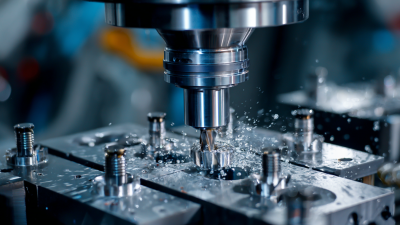
Custom sheet metal parts in as little as 3 days - Get a quote now!

Top 10 Benefits of Rapid CNC Machining for Your Manufacturing Needs

In today's fast-paced manufacturing landscape, businesses must adapt quickly to remain competitive. Rapid CNC machining has emerged as a powerful solution, streamlining production processes while enhancing precision and efficiency. This innovative technology allows manufacturers to transform their designs into physical products in a fraction of the time compared to traditional methods. By leveraging rapid CNC machining, companies can respond swiftly to market demands, thus reducing time-to-market and increasing their overall productivity.

The benefits of rapid CNC machining are numerous and encompass various aspects of the manufacturing process. From improved design flexibility to lower overall production costs, this approach offers tangible advantages that can significantly impact a company's bottom line. Moreover, with the capability to produce complex geometries and attain high levels of accuracy, rapid CNC machining not only elevates the quality of the end products but also fosters greater innovation within the industry.

In this article, we will explore the top 10 benefits of rapid CNC machining, illuminating how it can be a game-changer for manufacturers looking to optimize their operations and achieve sustained growth. Whether you are a small start-up or a large corporation, understanding the advantages of this technology can help inform your manufacturing strategies and position your business for success in an increasingly competitive market.
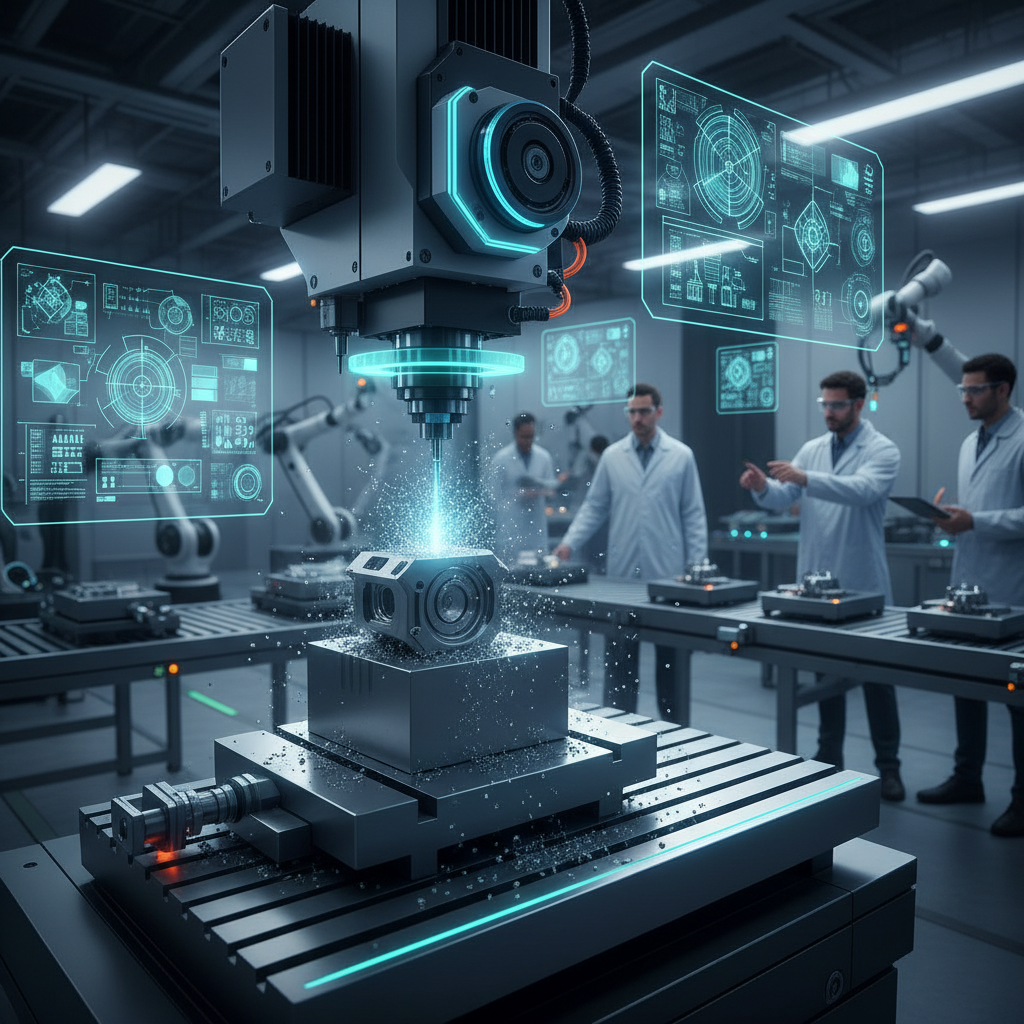
Top 10 Benefits of Rapid CNC Machining for Your Manufacturing Needs

Key Advantages of Rapid CNC Machining in Product Development

Top 10 Benefits of Rapid CNC Machining for Your Manufacturing Needs

Rapid CNC machining offers significant advantages in product development, making it an essential process for manufacturers striving to enhance efficiency and innovation. One of the key benefits is its ability to reduce lead times. With rapid CNC machining, prototypes can be produced quickly, allowing companies to evaluate designs and make necessary adjustments early in the development phase. This agility is crucial in fast-paced markets where time-to-market can dictate a product's success.

Moreover, rapid CNC machining enables manufacturers to produce complex geometries and intricate designs that traditional manufacturing methods might struggle with. This capability opens the door to innovation and allows designers to explore new concepts without being limited by conventional limitations.

Tips: When considering rapid CNC machining, evaluate your project's specific requirements, including tolerances and material selection. Ensure clear communication with your machining partner to discuss design intricacies and production timelines. Additionally, incorporating smart manufacturing approaches can enhance efficiency and sustainability throughout the CNC machining process. By staying informed about the latest advancements and trends in the CNC market, manufacturers can continually optimize their product development strategies.

Enhanced Precision and Accuracy in Manufacturing Processes

Rapid CNC machining significantly enhances precision and accuracy in manufacturing processes, a critical advantage in today's fast-evolving industrial landscape. As industries increasingly embrace digital transformation through technologies like 5G and AI, the effectiveness of CNC machining becomes more pronounced. Enhanced precision allows manufacturers to produce complex components with tight tolerances, which is essential in sectors such as electronics and semiconductor manufacturing, where even minute errors can lead to significant operational disruptions.

Moreover, advancements in CNC machining technology complement the current trend towards smart manufacturing. The integration of machine learning algorithms and automated systems further refines the capabilities of CNC machines, enabling real-time adjustments to maintain precision throughout the machining process. This synergy of precision engineering and digital intelligence not only boosts productivity but also reduces waste and downtime, making it a vital component of modern manufacturing strategies. As factories aim for higher quality outputs and efficiency, rapid CNC machining stands out as a key player in achieving these objectives.

Reduced Lead Times Leading to Increased Production Efficiency

Rapid CNC machining is revolutionizing manufacturing by significantly reducing lead times, directly impacting production efficiency. By streamlining processes, manufacturers can produce exactly what is needed to meet real-time demand without overproducing or underestimating requirements. This aligns with the principle of Just-In-Time (JIT) manufacturing, which aims to optimize material and labor resources while minimizing inventory costs. According to a recent industry report, companies utilizing advanced CNC machining techniques have witnessed productivity improvements of up to 30%, illustrating the tangible benefits of shorter lead times on overall output.

Furthermore, the integration of AI technologies in CNC machining enhances these efficiencies further by enabling predictive analytics for demand forecasting. Companies can analyze historical data to accurately predict future trends, reducing guesswork and ensuring that production aligns closely with market demand. A study indicates that manufacturing organizations adopting AI solutions have seen a 25% reduction in production errors and a substantial increase in operational throughput. As manufacturers continuously strive to maintain a competitive edge, embracing rapid CNC machining not only supports efficiency but also fosters a smarter, more responsive manufacturing environment.

Cost-Effectiveness of Rapid CNC Machining for Small Batches

Rapid CNC machining has revolutionized the landscape of manufacturing, especially when it comes to small batch production. The cost-effectiveness of this process allows businesses to produce high-quality components without incurring the heavy expenses typically associated with traditional manufacturing methods. By reducing setup times and minimizing material waste, companies can achieve significant savings on their production costs, making it an attractive option for limited runs or prototypes.

**Tips:** When considering rapid CNC machining for small batches, assess your specific needs to determine the appropriate materials and processes that will yield the best results. Additionally, collaborating with a skilled CNC provider can ensure that you are leveraging the latest technologies to optimize both cost and efficiency.

Another advantage of rapid CNC machining is its ability to quickly adapt designs based on feedback. Unlike traditional manufacturing processes that may involve lengthy retooling, rapid CNC can accommodate design modifications swiftly, allowing manufacturers to remain agile in responding to market demands. This flexibility not only saves time but also enhances overall productivity, giving businesses a competitive edge in a rapidly changing market.

**Tips:** Keep open lines of communication with your CNC partner throughout the project. Early identification of potential design issues can lead to better outcomes and avoid costly changes later in the process.

Flexibility and Customization in Manufacturing Solutions

Rapid CNC machining has emerged as a vital solution in manufacturing, particularly when it comes to providing flexibility and customization. This technology allows manufacturers to swiftly respond to changing consumer demands and complex design requirements. For instance, the recent expansion of manufacturing capabilities by various companies demonstrates a growing trend toward faster, customized solutions, especially in fields like biotechnology and consumer products. The ability to produce nearly 37 million consumer product parts through 3D printing in 2023—an impressive increase of 23% from the previous year—highlights a significant shift toward customization at scale.

The integration of human-robot collaborative systems further enhances this custom manufacturing process. By combining human adaptability with robotic precision, companies are able to fulfill intricate orders more efficiently. Reports indicate that the flexible packaging market is projected to expand, driven by innovations that cater to specific consumer needs. The ability to rapidly prototype and tailor products not only streamlines the manufacturing process but also fosters a culture of innovation and partnership in the industry, reinforcing the importance of flexibility and customization as core components of contemporary manufacturing solutions.

Conclusion

Rapid CNC machining has become an essential tool in modern manufacturing, offering numerous benefits that enhance product development. One of the key advantages is its ability to deliver enhanced precision and accuracy, ensuring that components meet stringent specifications. Additionally, rapid CNC machining significantly reduces lead times, enabling manufacturers to increase their production efficiency and respond swiftly to market demands.

Moreover, this technique is cost-effective for small batch production, allowing businesses to save on material and labor costs while still obtaining high-quality results. The flexibility and customization offered by rapid CNC machining allow manufacturers to tailor their solutions according to specific project requirements, further driving innovation. Lastly, improved material utilization and waste reduction techniques implemented in rapid CNC machining not only make the process more sustainable but also contribute to overall cost savings.