China’s aluminum industry operates at a scale that makes its machining supply chain worth examining. The International Aluminium Institute reported global primary aluminum production of about 70.6 million tonnes in 2023. The U.S. Geological Survey estimated China produced roughly 41 million tonnes that year. The scale is striking. These figures describe metal production, not milling-machine quality, but they help explain why buyers look closely at Chinese equipment makers.
For an aluminum milling machine, output depends on more than a headline spindle speed. Buyers should compare machine rigidity, acceleration, work-envelope size, chip evacuation, and cooling options against the parts they actually produce. Thin-walled housings, for example, can vibrate or deform when clamping and cutting forces are poorly controlled. A supplier’s test cuts, inspection records, and service response can therefore matter as much as its catalog specifications. Details count.
This overview of top aluminum milling machine manufacturers in China considers product focus, technical capabilities, and practical support. Company claims should still be checked against machine configurations and verifiable customer references. A capable machine on paper may not suit every workshop. That is easy to overlook. Production data offers useful context, but it cannot replace factory audits, sample machining, or clear acceptance criteria. Buyers should also confirm which options are included, how accuracy is measured, and whether local technicians can support installation. The comparisons that follow are intended as a starting point, not a substitute for testing.
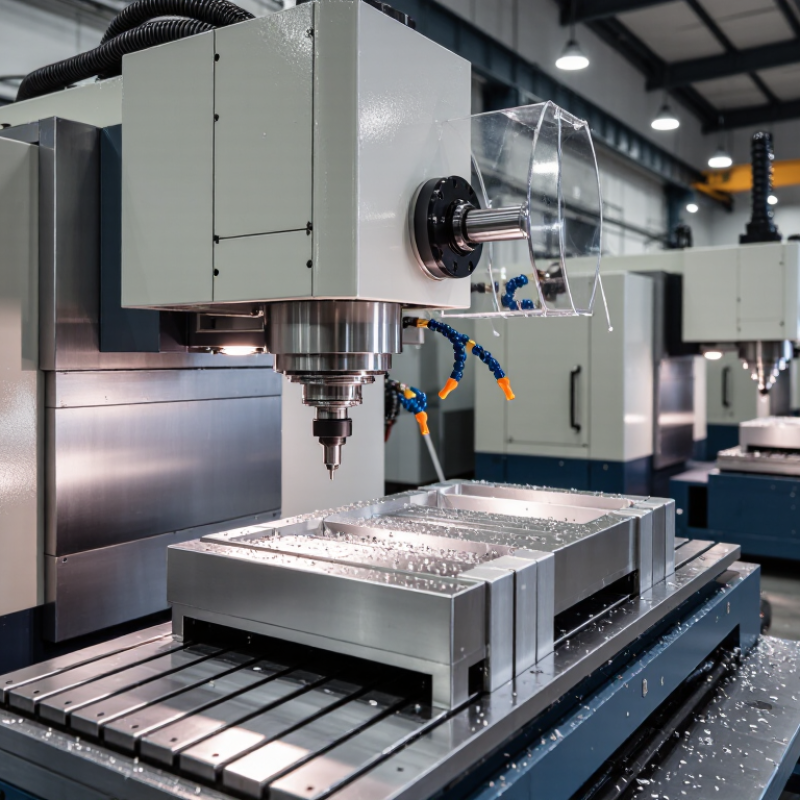
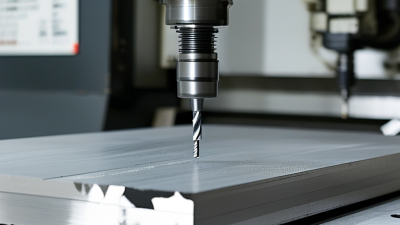
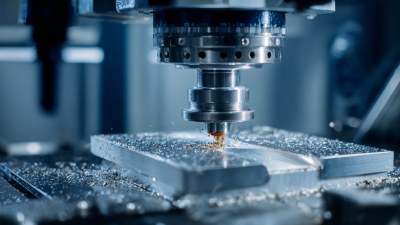
An aluminum milling machine shapes plate, billet, or extrusion with a rotating cutter and controlled tool paths. The operator must balance cutting speed, feed rate, and heat. Aluminum conducts heat quickly, while soft alloys can cling to a tool’s cutting edge. Sharp cutters, suitable coolant, and steady chip removal help prevent rough surfaces and dimensional drift. Chip control matters. A finished housing should have clean pockets, even walls, and accurately placed holes.
These machines serve automotive, aerospace, electronics, and general fabrication work. They produce lightweight brackets, battery enclosures, instrument panels, and heat-sink channels. The International Aluminium Institute’s 2022 market outlook projected global aluminium demand rising from 86 million tonnes in 2020 to 119.5 million tonnes by 2030, reflecting wider use across transport, construction, electrical, and packaging sectors. That demand puts practical pressure on machining capacity, not just machine speed. Buyers comparing Chinese manufacturers should check work-envelope size, spindle power, rigidity, accuracy data, and local service support against actual part drawings. One limitation is easy to miss: a fast machine may still struggle with thin panels or long parts. Test cuts reveal more than a brochure.
When evaluating Chinese aluminum milling machine manufacturers, look beyond spindle speed and brochure accuracy. Ask for a sample cut in your own alloy, such as 6061-T6, and inspect the pocket walls, burrs, and surface finish. Request a machine acceptance report showing positioning accuracy and repeatability, then confirm how these figures were measured. A polished test piece proves little if the test conditions are unclear. Ask about spindle runout, thermal compensation, and chip evacuation during a sustained cut. Small details matter.
The USGS Mineral Commodity Summaries 2024 estimates China produced 41 million tonnes of primary aluminum in 2023, out of roughly 70 million tonnes worldwide. That scale supports a substantial supply chain, but does not guarantee consistent machine quality. Check the supplier’s machining records, component traceability, and service response times; ask to speak with a customer running similar parts. Also verify whether installation, operator training, and spare parts are included in the quoted price. No checklist is perfect. I would still want to see the machine cutting aluminum for several hours, because heat, vibration, and chip buildup can expose weaknesses that a brief demonstration misses.
Leading Aluminum Milling Machine Manufacturers in China
Leading aluminum milling machine manufacturers in China serve automotive, electronics, aerospace, and general engineering workshops. Their machines are judged by more than spindle speed. Buyers should check thermal stability, axis accuracy, chip evacuation, and the finish on a real aluminum test piece. A small burr around a pocket can mean extra handwork. That cost is easy to overlook.
Industry data helps explain the market’s scale. The International Federation of Robotics reported 276,288 industrial robot installations in China in 2023, equal to 51% of global installations in its World Robotics 2024 report. This indicates substantial manufacturing capacity, but does not prove the quality of any individual milling machine. The International Aluminium Institute projected aluminum demand could grow nearly 40% by 2030, reaching about 119.5 million tonnes. More demand raises the value of reliable, efficient machining.
Ask manufacturers for test-cut results, positioning accuracy, spindle runout, and service response times. Request the same workpiece and cutting conditions from each supplier. Compare chip shape, surface finish, and cycle time. Numbers need context. Catalog specifications may not reflect a warm machine running a full shift, and published data can leave that out. A factory visit or documented acceptance test offers stronger evidence than broad claims about precision.
Approximate density varies slightly by composition. These common aluminum alloys are widely used in machined components; density is one factor to consider when selecting material and planning milling operations.
Chinese aluminum milling machines range from compact three-axis units to larger gantry systems. Three-axis machines suit flat plates, brackets, and straightforward pockets. Four- or five-axis models can reach angled faces with fewer setups, but require more programming skill. Gantry machines handle wide panels and long profiles. They need a stable floor and enough shop space.
Capability depends on more than spindle speed. Check the work envelope, spindle power, tool-change time, and chip evacuation design. Aluminum chips can collect around cutters, so coolant delivery and enclosure access matter. Ask for sample cuts using material and features similar to your parts. A quoted tolerance means little without details about tooling, fixturing, and inspection. Small details count.
Customization may include extended tables, rotary axes, probing systems, special fixtures, or automated loading. Match these options to real production needs rather than adding features for appearance. A larger machine is not always better. It may consume floor space while leaving the spindle underused. Request drawings, acceptance criteria, and a clear service plan before ordering. Honestly, evaluating these points takes time, and early specifications can miss changes in the part design. Keep room for revision.
| Machine Type | Typical Configuration | Aluminum Machining Strengths | Best-Suited Applications | Common Customization Options | Key Selection Considerations |
|---|---|---|---|---|---|
| 3-Axis Vertical Machining Center | Vertical spindle with X, Y, and Z linear axes; commonly equipped with an automatic tool changer. | Performs face milling, pocketing, drilling, and contouring. A rigid setup and suitable cutting parameters support efficient machining of aluminum parts. | Plates, brackets, housings, fixtures, and general-purpose prismatic components. | Worktable size, spindle speed, tool magazine capacity, probing, chip conveyor, coolant delivery, and workholding. | Check work envelope, spindle speed and power, tool-change requirements, and the space needed to load the largest part. |
| 4-Axis Vertical Machining Center | A 3-axis machining center fitted with a rotary axis, often used to index or rotate a workpiece. | Machining multiple sides in fewer setups can improve access to features and reduce repositioning between operations. | Parts with features on several faces, cylindrical components, and repeat-production work that benefits from indexed machining. | Rotary-table size, axis orientation, tailstock, rotary-axis integration, probing, and part-specific fixtures. | Confirm rotary-axis capacity, workpiece clearance, clamping needs, and whether the process requires indexing or simultaneous motion. |
| 5-Axis Machining Center | Three linear axes plus two rotary axes; machines may use a trunnion table, a swiveling head, or a combination. | Provides access to multiple faces and angled surfaces in one setup; can help machine complex contours and reduce setup changes. | Complex aerospace, automotive, medical, and precision components with compound angles or multi-sided features. | Table or head configuration, rotary-axis range, tool and workpiece measurement, high-pressure coolant, and machine guarding. | Evaluate usable travel with the part and fixture installed, rotary-axis limits, programming needs, and the accuracy required for the process. |
| Gantry-Type Machining Center | Bridge or gantry structure spanning a large work area; available with different spindle and axis configurations. | Accommodates large workpieces and long components. Machine rigidity, spindle design, and cutting strategy affect performance on aluminum. | Large panels, structural parts, long profiles, molds, and components that exceed a standard vertical machine’s work envelope. | Table length and width, gantry clearance, spindle head, multiple work zones, automatic tool changing, and chip-management systems. | Compare the actual machining envelope with fixture dimensions; consider floor space, loading access, and support for long workpieces. |
| Horizontal Machining Center | Horizontal spindle, typically paired with a rotary table or pallet system and an automatic tool changer. | Can provide access to multiple sides of a suitable part and support continuous production when configured with pallet handling. | Box-shaped housings, high-volume components, and parts requiring machining on several faces. | Pallet count and size, rotary table, probing, tool magazine, coolant system, and automated loading interfaces. | Assess pallet and part capacity, chip evacuation, setup strategy, production volume, and the cost of automation. |
| CNC Router or Profile Machining Center | Router-style or profile-oriented machine with a spindle and a bed or clamping system designed for sheet, plate, or extrusion work. | Useful for routing, drilling, and contouring aluminum sheet and profiles; suitability for heavier cuts depends on machine construction and tooling. | Aluminum panels, window and door profiles, architectural components, and lighter-duty plate work. | Bed length, profile clamps, vacuum table where appropriate, spindle options, multi-spindle heads, and material-loading systems. | Verify the machine is designed for the intended aluminum thickness and cutting forces; confirm clamping, chip control, and required finish quality. |
Note: Configurations and achievable performance vary by machine model, tooling, workholding, material, and cutting conditions. Confirm the required travel, spindle specifications, accuracy, and automation directly against the manufacturer’s technical documentation.
When evaluating Chinese aluminum milling machine manufacturers, compare the machine’s working envelope, spindle speed range, and stated accuracy against your actual parts. A large table is not automatically useful. Check whether the spindle, frame, and control system suit thin panels, deep cavities, or repeated production runs. Ask for a test cut using an aluminum grade and tool similar to yours. Request measured results, not just a polished video.
Inspect how the factory verifies quality. Ask to see inspection records for spindle runout, positioning accuracy, and repeatability, and confirm how these figures are measured. Details matter. Discuss the acceptance test before placing an order, including sample geometry, allowable tolerances, and who supplies cutting tools. A showroom can look impressive while leaving service arrangements unclear. That is easy to overlook.
After-sales support deserves the same scrutiny as machine specifications. Confirm response times, remote troubleshooting options, spare-parts availability, and whether manuals and training are provided in a language your operators understand. Check the warranty terms and clarify which components are excluded. If possible, speak with customers running comparable work. A live factory tour can help, but it cannot replace written commitments. I would also allow time for installation and operator training; production schedules rarely unfold perfectly.