
The 2026 Canton Fair is set to showcase emerging trends in the Air Compressor industry. This event, spanning from April 15 to May 5, will feature advanced manufacturing and machinery as key highlights. Air compressors play a vital role in various sectors, including manufacturing and construction.
At the fair, attendees can expect to see innovative technology and designs that enhance energy efficiency and performance. The inclusion of AI-driven search features will help buyers find suppliers with specific certifications like ISO and CE. This capability aims to streamline the purchasing process.
However, the challenge remains in adapting to rapid technological changes. Companies must continually evolve to meet market demands. Identifying the latest trends in air compressors is crucial for staying ahead. The fair will provide a platform for discussions and reflections on these developments.
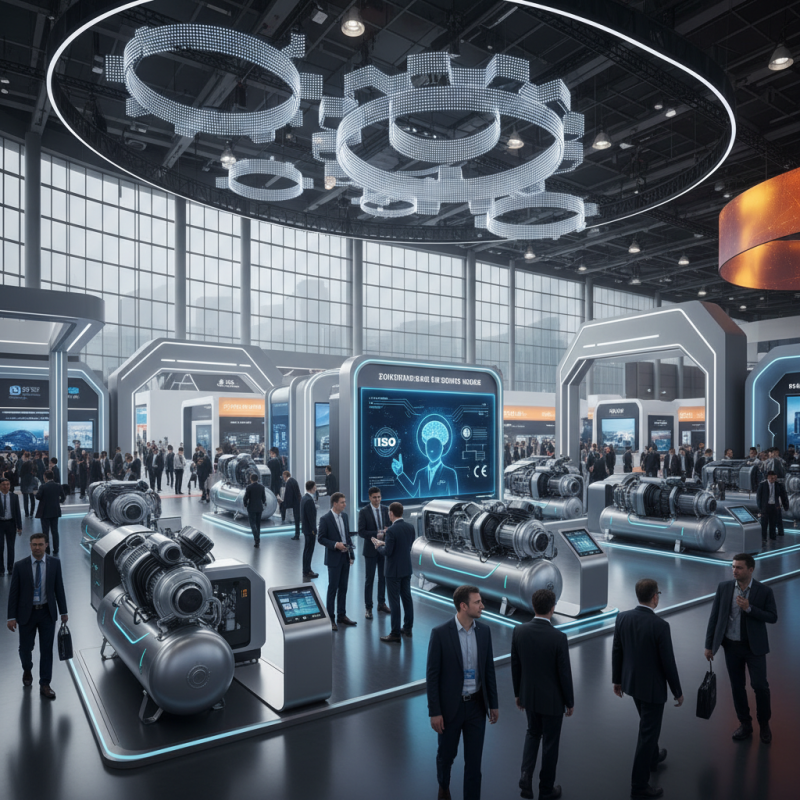
The Canton Fair 2026 presents exciting advancements in air compressor technology. Innovative designs capture attention across various industries. Businesses are keen on energy-efficient models that promise lower operating costs.
One standout trend involves smart compression systems. These utilize sensors for real-time monitoring. Users can adjust settings remotely, optimizing performance. Another emerging technology focuses on noise reduction. Advanced insulation methods significantly minimize sound levels. This is vital for industries requiring quieter working environments.
Sustainability is a key theme as well. Many showcased models emphasize eco-friendly manufacturing practices. However, not every method is perfect. Some technologies still struggle with initial costs. Balancing efficiency and affordability continues to challenge manufacturers. It remains an ongoing conversation among industry experts and consumers alike.
The 2026 Canton Fair showcases a wave of sustainability trends in air compressor design and manufacturing. Manufacturers are increasingly focusing on energy efficiency. This shift is critical as global energy demands rise. Many compressors now use innovative materials and technologies to reduce energy consumption.
Recyclable components are becoming more common. These advances aim to minimize waste during the production process. However, not all manufacturers are adopting these practices yet. There’s a noticeable gap in the transition, where some companies lag behind. This inconsistency raises questions about the future of sustainable practices in the industry.
Another trend is the emphasis on modular designs. These allow for easier upgrades and repairs. However, not every supplier offers these flexible solutions. This can lead to lost opportunities for improvement. Finally, as we see eco-friendly innovations, the importance of consumer education remains vital. Users must understand how to choose the most sustainable options available.
| Trend | Description | Impact on Sustainability | Implementation Year |
|---|---|---|---|
| Energy Efficiency | Air compressors that consume less power while maintaining output. | Reduces carbon footprint and operational costs. | 2025 |
| Smart Technology Integration | Incorporation of IoT for real-time monitoring and efficiency optimization. | Enhances performance monitoring and predictive maintenance. | 2026 |
| Use of Recyclable Materials | Designing compressors with materials that can be recycled at end of life. | Lowers waste and promotes a circular economy. | 2026 |
| Noise Reduction Technologies | Innovations to decrease noise levels during operation. | Improves workplace environment and reduces sound pollution. | 2025 |
| Portable and Lightweight Models | Designing compressors that are easier to transport and handle. | Greater accessibility for small businesses and reducing transportation emissions. | 2026 |
The 2026 Canton Fair in China showcased remarkable air compressor innovations. Efficiency and performance stood out as key themes. Many manufacturers focused on reducing energy consumption. This trend is vital for both cost savings and environmental impact. The push for eco-friendly solutions was evident across various displays.
One of the notable advancements was the integration of smart technology. Many devices now feature real-time monitoring systems that allow users to track performance data. This enables predictive maintenance, reducing downtime. However, not all users benefit fully from this technology. Some found it challenging to interpret the data.
Another area for improvement lies in noise reduction. Manufacturers are striving to create quieter models. Yet, not every new design achieves this goal. Some users reported that noise levels remained high, which can hinder productivity. Overall, the fair highlighted exciting developments, but there are still aspects to refine. Emphasizing efficiency while addressing real user concerns is crucial moving forward.
The Canton Fair in 2026 showcases the evolving landscape of air compressors, particularly under the influence of Industry 4.0. As automation and IoT technologies seep into manufacturing, air compressor designs are becoming smarter. Reports suggest that by 2026, around 40% of air compressors will integrate smart technologies, enhancing efficiency and monitoring capabilities. This shift reflects the industry's efforts to align with global trends.
Industry 4.0 emphasizes connectivity and data exchange. For air compressors, this means automatic adjustments based on predictive analytics. These systems can significantly reduce energy usage, which accounts for about 70% of operating costs. However, these advancements can create complexity. Many companies struggle to adapt to rapidly changing technologies. They must invest in workforce training and system integration.
**Tips:** Always assess compatibility before upgrading systems. Check energy consumption regularly. Considering cloud solutions can streamline data management. Reflect on how your company can embrace these changes cautiously, balancing innovation with practical challenges. Embracing innovation while avoiding pitfalls is crucial for success in this dynamic environment.
The air compressor market is evolving rapidly as we approach 2026. With growing industrialization, the demand for efficient and durable compressors is skyrocketing. Manufacturers are exploring new technologies to meet these demands. Many are looking into innovative materials that enhance performance and reduce costs. A focus on energy efficiency is also prevalent. Companies are aiming to develop compressors that consume less power while maintaining high output.
Moreover, sustainability is becoming a key trend. Consumers are increasingly favoring eco-friendly options. This shift is prompting manufacturers to innovate their designs. There is a rising interest in rechargeable and solar-powered air compressors. However, these advancements pose challenges. Production processes must adapt without compromising quality. As companies experiment with new approaches, some designs may not fully meet user needs. This iterative process can lead to unexpected hurdles.
Lastly, the importance of smart technology cannot be overlooked. Advanced features like remote monitoring and diagnostics are gaining traction. These systems can optimize performance and reduce downtime. Yet, integrating smart technology requires significant investment and expertise. Industry players must evaluate their readiness to embrace these changes. Balancing innovation with practical usability is key for future growth.