2026 Top Air Heat Pump Trends Buyers Must Know?
In the ever-evolving home heating landscape, the Air Heat Pump is gaining significant attention. As climate awareness rises, buyers are looking for efficient and eco-friendly solutions. Air Heat Pumps stand out due to their ability to provide both heating and cooling. They operate by transferring heat from the air outside to inside. This versatility makes them a popular choice.
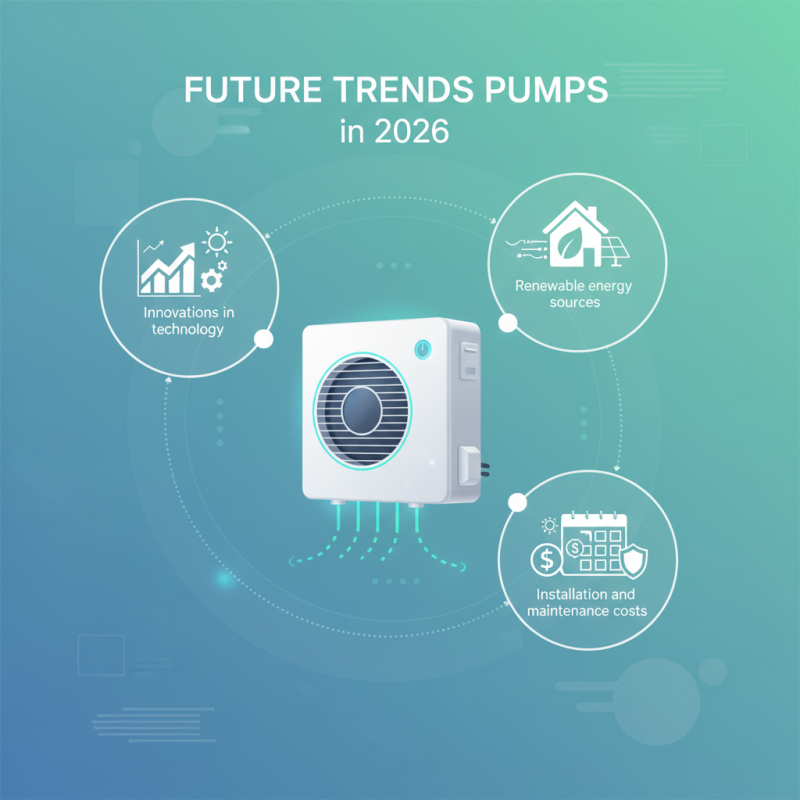
As we glance into 2026, several trends are reshaping the market. Innovations in technology are improving their efficiency. More buyers are prioritizing renewable energy sources. However, some consumers may still have misconceptions about installation and maintenance costs. It’s crucial to understand the long-term benefits despite these concerns.
Navigating the choices in the Air Heat Pump market can be daunting. Buyers need to stay informed about warranties, system compatibility, and energy ratings. Engaging with trusted experts can help in making educated decisions. An informed choice today could lead to greater comfort and savings tomorrow.
2026 Trends in Air Heat Pumps: An Overview of Market Growth
The air heat pump market is experiencing significant growth. According to recent reports, the global market is expected to reach $75 billion by 2026. This growth is driven by increasing energy costs and a rising demand for eco-friendly heating solutions. Consumers are more aware of their carbon footprint. As a result, energy-efficient heat pumps are becoming a popular choice.
Technological advancements are also shaping the market. Manufacturers are focusing on improving the efficiency and performance of their products. Many units now feature better systems for temperature regulation. Enhanced refrigerants contribute to lower global warming potential. However, finding certified technicians for installation remains a challenge. Installation is key to ensuring optimal performance and durability.
Market trends indicate a shift towards smart technology integration. Heat pumps are increasingly becoming part of smart home systems. Consumers seek systems that can be monitored and controlled remotely. However, the upfront cost can still deter potential buyers. Despite the benefits, it's essential for consumers to weigh initial investment against long-term savings and environmental impact. Understanding these dynamics will be crucial for making informed purchasing decisions.
Advancements in Heat Pump Efficiency: Performance Metrics and Innovations
Advancements in heat pump efficiency are transforming home heating and cooling. New performance metrics emphasize energy savings and reduced environmental impact. Innovations in inverter technology allow heat pumps to adjust their output. This leads to energy savings and better temperature control.
One key focus is the Seasonal Energy Efficiency Ratio (SEER). This metric measures efficiency across a season, not just at peak performance. It reflects real-world usage, offering a clearer picture of a unit’s value. Additionally, advancements in refrigerants enhance efficiency and cut greenhouse gas emissions. However, the transition to these new refrigerants may present challenges for manufacturers and users.
Embracing these innovations is not without its difficulties. Some older homes may struggle to accommodate new, more efficient systems. Retrofitting can be complex and costly, causing hesitation among homeowners. It's essential for buyers to weigh the benefits against potential expenses. Understanding these trends and metrics will help in making informed decisions.
2026 Top Air Heat Pump Trends Buyers Must Know
| Trend | Description | Performance Metric | Innovations |
| Increased Efficiency Ratings | New models achieving higher Seasonal Energy Efficiency Ratios (SEER). | SEER ratings of up to 30 | Variable-speed compressors |
| Smart Technology Integration | Integration with smart home systems for enhanced control and efficiency. | Remote temperature control | AI-based predictive maintenance |
| Eco-Friendly Refrigerants | Shift towards refrigerants with lower global warming potential. | GWP reduced to below 1000 | Natural refrigerant options |
| Noise Reduction Technologies | Advancements in design to minimize operational noise. | Noise levels down to 40 dB | Improved sound insulation |
| Quick Installation Features | Designs that reduce installation time and complexity. | Installation time cut by 25% | Modular components |
Impact of Government Policies on Heat Pump Adoption and Incentives
Government policies have a significant impact on the adoption of heat pumps. As nations aim to reduce carbon emissions, many are introducing incentives. These incentives may take the form of tax credits, rebates, or low-interest loans. For potential buyers, understanding these offerings can make all the difference. It provides an opportunity to lower initial installation costs.
However, the complexity of these policies can also be daunting. Buyers must navigate various regulations and requirements. Local and federal policies often vary. This inconsistency can lead to confusion. Some buyers may overlook available incentives due to a lack of clarity. They might miss out on substantial savings as a result.
Moreover, government policies also promote research and development in heat pump technology. This investment is crucial for improving efficiency and performance. Yet, the technology can sometimes outpace the regulatory environment. Buyers may find that the latest advancements are not yet recognized by existing incentives. Staying informed about both product developments and policy changes is essential for potential heat pump buyers.
Emerging Technologies in Heat Pump Design: Smart Features and Automation
Emerging technologies in heat pump design are revolutionizing home heating systems. Smart features are at the forefront of these advancements. Many heat pumps now come equipped with Wi-Fi connectivity and mobile apps. This connectivity allows users to monitor and control their heating remotely.
Automation plays a significant role in optimizing energy consumption. Modern heat pumps adapt to weather changes, adjusting their operation accordingly. This can lead to cost savings and increased efficiency. However, users may encounter challenges in setup and integration with existing systems. Not all homes are ready for these upgrades.
Tips: Ensure your home’s infrastructure supports smart technologies. Consult with professionals for proper installation. Research user reviews on automation features to find reliable options. Embracing these innovations can enhance comfort and sustainability in your home.
Consumer Preferences in Heat Pump Selection: Key Influencing Factors and Data
As consumers weigh their options for heat pump installations in 2026, key influencing factors are shaping their preferences. A recent report indicates that energy efficiency is, unsurprisingly, paramount for most buyers. Approximately 75% of surveyed homeowners prioritize systems with high SEER and HSPF ratings. The increasing focus on sustainability plays a significant role, with 65% of respondents considering the environmental impact of their choice.
Cost considerations remain crucial in heat pump selection. Data shows that installation costs can range significantly, impacting decision-making. About 55% of consumers look for systems that offer long-term savings despite higher upfront costs. Features like smart technology and user-friendly controls also sway 40% of potential buyers, indicating a shift towards convenience and efficiency.
Yet, barriers still exist. Some consumers express concern over noise levels, which are often overlooked in product marketing. Around 30% of respondents mention noise as a significant drawback. Education on product lifespan and maintenance requirements also is lacking, leading to hesitation. This gap represents an opportunity for industry stakeholders to provide clearer information and address consumer misconceptions.
