2026 Top Large CNC Machine Trends and Innovations?
As industries evolve, the demand for large CNC machines continues to grow. According to recent market research, the global CNC machine market is projected to reach $100 billion by 2026. This surge is driven by the increasing need for automation across various sectors, including aerospace and automotive. Large CNC machines are critical in manufacturing components that require precision and efficiency.
In 2026, trends indicate that these machines will integrate advanced technologies like AI and IoT. Companies are exploring opportunities to enhance operational efficiency. Although these innovations present exciting possibilities, there are challenges too. Many manufacturers struggle with adapting their existing systems to new technologies. Furthermore, the skilled labor shortage remains an ongoing concern.
The landscape of large CNC machines is undoubtedly changing. However, the journey toward full implementation of these trends is complex. Companies must reflect on their current practices and invest in training. The path forward requires balancing technological advancements with practical realities.
Emerging Technologies in Large CNC Machining for 2026
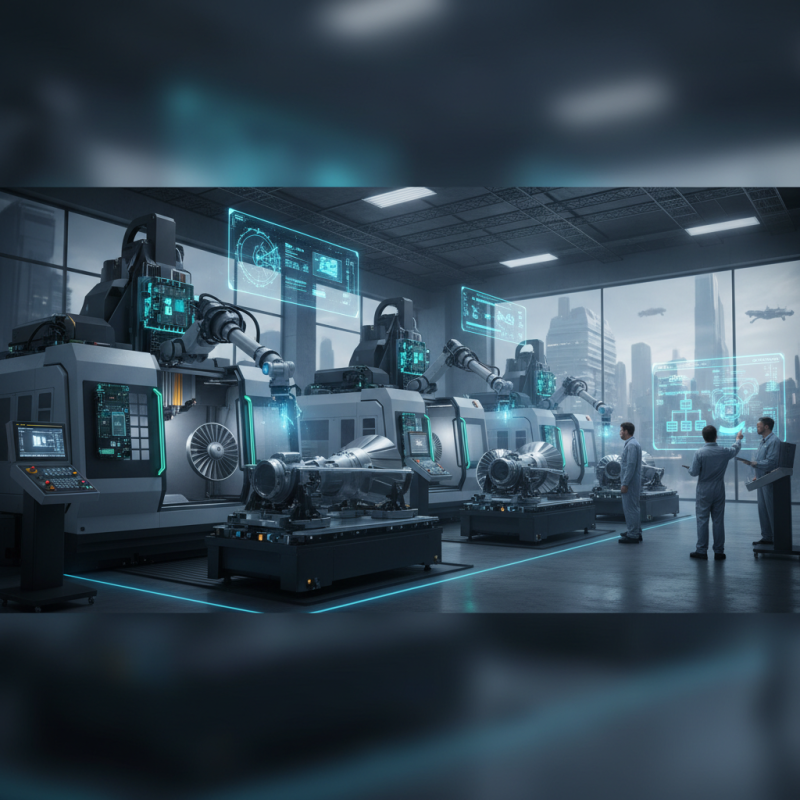
The landscape of large CNC machining is evolving rapidly, driven by new technologies set to dominate in 2026. Reports indicate that the market for CNC machines will exceed $100 billion by 2026, highlighting a growing demand for precision and efficiency. Advanced automation and AI integration will play critical roles. Factories are adopting AI to optimize machining processes. This can lead to improved workflow and reduced downtime. Yet, challenges remain. Not all facilities can seamlessly implement these technologies.
Additionally, the rise of 3D printing in large-scale manufacturing is notable. A 2022 study shows that incorporating both CNC machining and additive manufacturing can reduce production time by 30%. This hybrid approach allows for more intricate designs and less material waste. However, companies might struggle with retraining staff to manage these innovations effectively. It's a balancing act between embracing new capabilities and ensuring the workforce is prepared.
Data also suggests that sustainability will be vital in the coming years. Reports indicate a 50% increase in demand for eco-friendly machining practices. Many companies are exploring bio-based lubricants and energy-efficient machines. The path to sustainability requires continuous adaptation. It remains essential for CNC operators to reflect on their practices in light of these emerging trends.
Advancements in Materials for Enhanced CNC Machine Performance
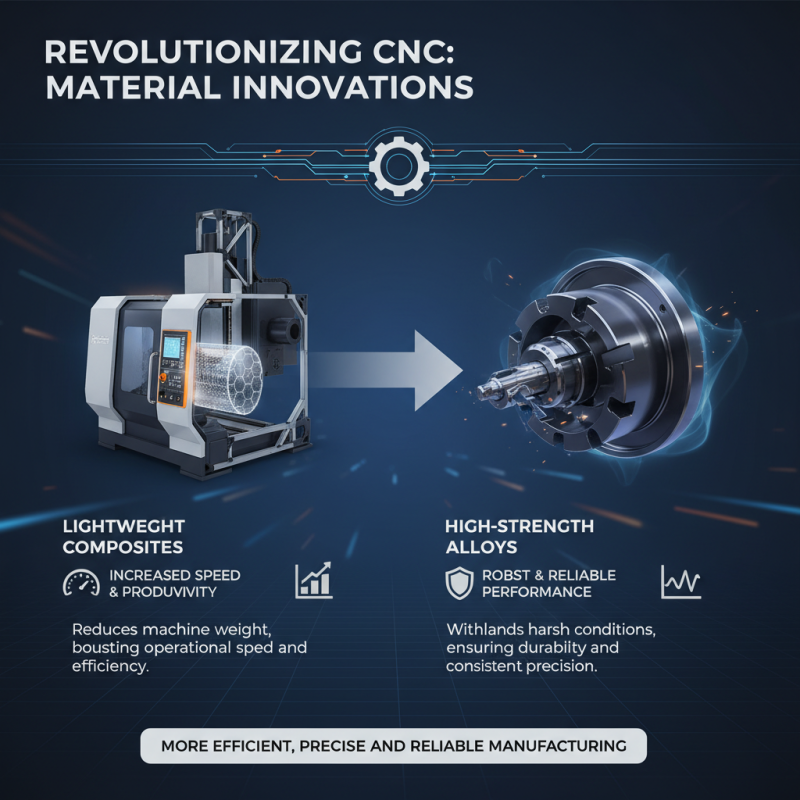
Advancements in materials are crucial for enhancing CNC machine performance. Recent innovations focus on lightweight composites and high-strength alloys. These materials improve efficiency while maintaining precision. Lightweight composites reduce the overall weight of machines. This helps in increasing speed and productivity. High-strength alloys enable machines to withstand harsh conditions. The result is a more robust and reliable performance.
Developers are also experimenting with hybrid materials. These combine the benefits of metals and polymers. However, challenges remain. Some hybrid materials may be difficult to process. Their properties can vary, leading to inconsistent results. Manufactures must invest in research to overcome these hurdles. Each new material presents an opportunity for improvement and re-evaluation. The performance of CNC machines relies heavily on these advancements.
Overall, the focus on innovative materials shapes the future of CNC machining. As engineers explore new possibilities, the landscape continues to change. Enhanced materials promise better efficiency and expanded capabilities. Yet, the journey is not without its complications. Continuous assessment and adaptation will be necessary for success.
Automation and AI Integration in Large CNC Machine Operations
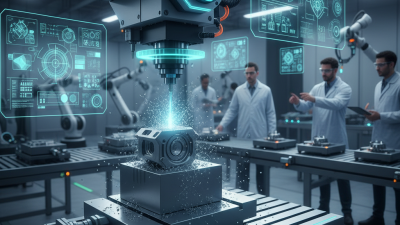
The integration of automation and AI in large CNC machine operations is rapidly transforming the manufacturing landscape. Recent studies indicate that by 2026, more than 80% of CNC machine operations will incorporate some form of AI. This shift promises to enhance precision while reducing cycle times. Automated systems are increasingly capable of monitoring machine performance in real-time. They will detect anomalies that may indicate potential failures.
However, implementing these advanced technologies is not without challenges. Many companies face difficulties in training their workforce to effectively use AI-driven solutions. A report from the International Federation of Robotics reveals that 60% of manufacturers struggle with skill gaps in automation. There's also the question of integration; transitioning from traditional methods to automated systems can disrupt operations. This presents a significant barrier for smaller enterprises.
Despite these hurdles, the potential rewards are compelling. Enhanced productivity could lead to cost savings as well. It's important to reflect on these changes critically. Embracing automation isn't just about upgrading machinery; it demands a cultural shift within organizations. Companies must invest not only in technology but also in their people. Balancing these elements will be key to future success in the CNC machinery sector.
Sustainability Trends in CNC Machinery and Manufacturing Processes
Sustainability is becoming a crucial factor in CNC machinery and manufacturing processes. Many manufacturers are now focusing on eco-friendly practices. This shift calls for innovative designs and energy-efficient technology. Machines that consume less energy can reduce overhead costs. This helps both the environment and the bottom line.
Manufacturers are investing in materials that are recyclable or biodegradable. Traditional machining often leaves behind waste. New organic materials may become a viable alternative. Also, the reduction of harmful emissions has gained attention. Companies are evaluating their production methods rigorously.
However, the transition is not without challenges. Many businesses struggle to implement these technologies. Costs can be a barrier. Training staff to operate new machines requires time and money. There's also the concern about performance. Companies must ensure that sustainability does not compromise quality. These ongoing reflections are vital to move forward responsibly.
2026 Top Large CNC Machine Trends and Innovations
| Trend/Innovation |
Description |
Impact on Sustainability |
Estimated Adoption Rate (%) |
| Energy Efficiency Improvements |
Incorporating advanced technologies to reduce energy consumption in CNC machines. |
Lower carbon footprint and reduced utility costs. |
75% |
| Biodegradable Cutting Fluids |
Use of eco-friendly lubricants that minimize environmental impact. |
Reduced toxic waste and improved workplace safety. |
60% |
| Additive Manufacturing Integration |
Combining CNC machining with additive processes for more efficient production. |
Minimizes material waste and allows for complex geometries. |
50% |
| Smart Machine Monitoring |
Real-time monitoring of machine performance and predictive maintenance. |
Improves overall efficiency and reduces downtime, leading to sustainability. |
70% |
| Recyclable Materials in Manufacturing |
Utilization of materials that can be easily recycled at the end of their lifecycle. |
Promotes circular economy practices in manufacturing. |
65% |
Future Market Predictions for Large CNC Machines by 2026
The future of large CNC machines holds exciting predictions for 2026. Demand is expected to rise. Industries are evolving, requiring more precise and efficient manufacturing processes. Innovations in automation and smart technologies will play crucial roles. These machines will integrate artificial intelligence for better adaptability. They will learn from previous tasks and improve over time.
There are challenges ahead as well. The skills gap in the workforce may hinder progress. More training programs could be needed to bridge this gap. New regulations may also pose additional obstacles. Companies must adapt quickly to meet changing standards. Despite these hurdles, advancements in materials and designs will continue. Lightweight composites and advanced alloys may become the norm.
Incorporating sustainability is essential too. Eco-friendly practices in manufacturing will be prioritized. However, the intricacies of implementing these practices may create friction. Balancing efficiency with environmental concerns is a tough task. As we move towards 2026, it’s vital to reflect on these evolving dynamics. The path may not be smooth, but it’s full of possible breakthroughs.
2026 Top Large CNC Machine Trends and Innovations