
Custom sheet metal parts in as little as 3 days - Get a quote now!

2026 Best Bath Exhaust Fan for Your Bathroom?

A steamy mirror can clear in minutes, while damp grout and a lingering odor may signal that bathroom moisture is staying too long. Choosing a Bath Exhaust Fan is not just a matter of picking the quietest model on the shelf. Airflow, duct length, noise, controls, and the path to the outdoors all affect real performance. Small details matter.

The Home Ventilating Institute (HVI) recommends sizing many bathrooms at about one cubic foot per minute (CFM) per square foot, with a 50 CFM minimum for smaller rooms. ENERGY STAR’s ventilation-fan guidance reports that certified fans can be substantially more energy-efficient than standard models. These are useful benchmarks, not guarantees: a long, restrictive duct or poor installation can reduce airflow. Still, airflow numbers do not tell the whole story.

Building scientist Joseph Lstiburek is known for emphasizing moisture control in buildings. A practical paraphrase of his guidance—not a verbatim quotation—is: “Control moisture at its source, then provide a reliable route outdoors.” That principle helps frame this 2026 guide: match fan capacity to the room, check sound ratings, and look closely at the duct route before buying. Not always. The best choice may be less powerful on paper but better suited to the space. This guide compares the details that matter, while recognizing that no single fan can fix every ventilation or installation problem.
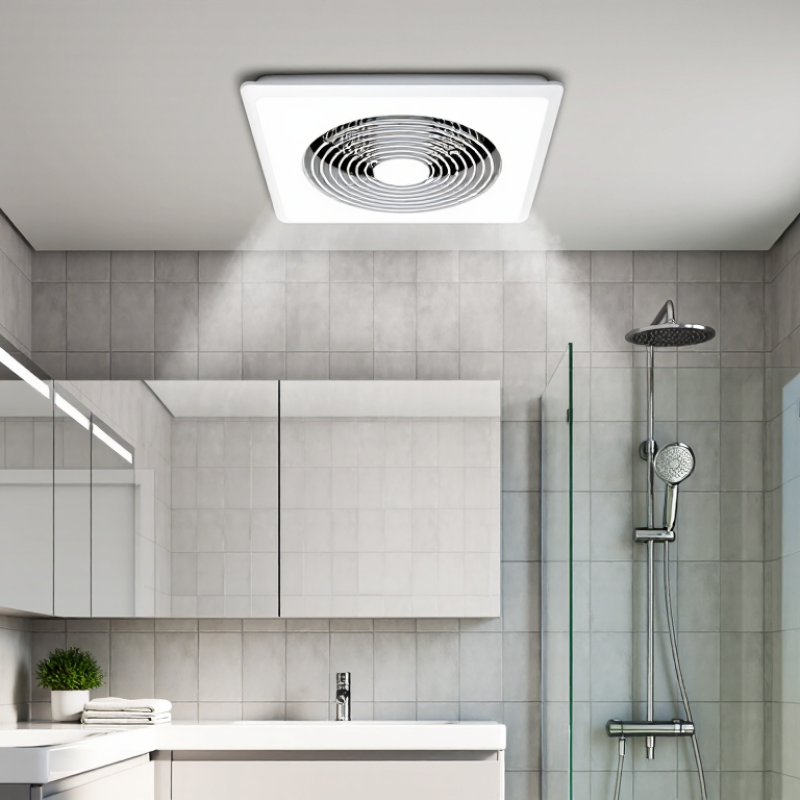
2026 Best Bath Exhaust Fan for Your Bathroom?

How Bathroom Exhaust Fans Improve Indoor Air Quality

2026 Best Bath Exhaust Fan for Your Bathroom?
How Bathroom Exhaust Fans Improve Indoor Air Quality

A bathroom exhaust fan does more than clear a foggy mirror. It moves moist air outdoors, helping reduce lingering humidity that can encourage mold growth. It can also carry away odors and some airborne particles produced during bathing and cleaning. It is not a substitute for fresh air throughout the home, though. A fan works best when its airflow suits the room and its duct leads outdoors, not into an attic or wall cavity. Small details matter.

Tips: Run the fan during showers and for about 20 minutes afterward. Keep the door slightly open to let replacement air enter. Clean the grille regularly, since dust can restrict airflow. If the fan sounds loud but seems weak, check the duct and vent for blockage before assuming the unit needs replacing.

When choosing a fan, consider the bathroom’s size, duct layout, and noise level. A quiet model may be pleasant, but noise ratings alone do not prove effective ventilation. That is an easy detail to overlook. Check the airflow rating and follow the manufacturer’s sizing guidance; longer or sharply bent ducts may reduce performance. If dampness persists despite regular use, look for other causes, such as leaks or poor ventilation elsewhere. The fan helps, but it cannot fix every moisture problem.

2026 Best Bath Exhaust Fan for Your Bathroom?

How bathroom exhaust fans can help remove excess moisture and odors.

For bathrooms up to 100 square feet, Home Ventilating Institute guidance recommends at least 1 CFM of exhaust airflow per square foot, with a 50 CFM minimum. Adequate ventilation helps control moisture and odors; choose a fan rated for your room size and vented outdoors.

Guidance basis: Home Ventilating Institute bathroom fan sizing recommendations. Actual needs can vary with room layout and ventilation conditions.

Key Specifications to Compare in 2026

For 2026 comparisons, start with airflow, measured in cubic feet per minute (CFM). Match the rating to your bathroom’s size and how often the shower runs. A compact powder room needs less capacity than a windowless bathroom that fills with steam. Measure twice. Manufacturer sizing charts are useful, but duct length and bends can reduce real-world airflow.

Noise matters. Fan sound is usually listed in sones; lower numbers generally mean quieter operation. A rating near one sone may feel gentle, while a louder unit can interrupt conversation or sleep. Still, published ratings do not perfectly predict what you will hear after installation. I would compare sound and airflow together, not chase either number alone.

Check duct diameter, energy use, and control options before choosing. A fan connected to a narrow, long duct with several bends may perform poorly despite impressive specifications. Look for a humidity sensor or timer if showers often leave mirrors wet, and confirm that the unit is suitable for a damp bathroom location. Also consider grille size and access for cleaning. Small details, but they matter. A washable grille is easier to maintain, though it will not fix a badly routed duct.

Common Types and Features of Bathroom Exhaust Fans

Bathroom exhaust fans come in several forms, and the right type depends on the room’s layout. Ceiling-mounted fans are common and work well when ducting can run through an attic or ceiling space. Wall-mounted models suit bathrooms with an exterior wall and a short, direct duct route. Inline fans sit away from the bathroom, often in an attic, and connect to one or more grilles. They can be quieter at the grille, but installation is more involved. Fan-light combinations save space, though the light and fan may need separate controls.

Features affect everyday comfort. Check the airflow rating, measured in cubic feet per minute, against your bathroom’s size and use. A fan that is too weak may leave mirrors fogged and towels damp. Too much airflow can be unnecessarily noisy. Noise matters. Look for a low sones rating if the bathroom is near a bedroom. Humidity sensors switch the fan on when moisture rises; timers let it run after a shower. Both are useful, but sensors can react slowly or run longer than expected. I’d also check whether the grille is easy to remove for cleaning. Dust gathers there. And a fan only moves moisture outdoors when its duct is correctly routed and vented outside, not into an attic.

How to Choose the Right Fan for Your Bathroom

2026 Best Bath Exhaust Fan for Your Bathroom?

How to Choose the Right Fan for Your Bathroom

Start with the room, not the fan’s packaging. Measure the bathroom and check the airflow rating, usually listed in cubic feet per minute (CFM). A larger room, frequent showers, or a windowless layout may need more ventilation. Follow the manufacturer’s sizing guidance and applicable local requirements; one simple rule may not fit every space. Small detail, big difference: a fan needs a clear duct that vents outdoors, not into an attic or ceiling cavity.

Noise matters, too. A fan that sounds like a steady whisper is easier to leave running than one that rattles through a closed door. Look for a low sone rating, but remember that poor duct routing can make even a quiet model noisy. I’ve found that long ducts and sharp bends deserve attention; the fan alone cannot fix them. A timer helps clear lingering steam, while a humidity sensor can switch the fan on automatically. Useful, not magic. Check that the unit fits the ceiling opening and works with the existing wiring. If wiring or duct changes feel uncertain, ask a qualified professional to assess the installation. A little extra checking can prevent a damp mirror—and a damp ceiling.

Installation, Ventilation, and Maintenance Essentials

2026 Best Bath Exhaust Fan for Your Bathroom?

Installation, Ventilation, and Maintenance Essentials

A good fan only works well when its duct carries damp air outdoors. Before installation, check the room’s size, the fan’s airflow rating, and the manufacturer’s duct requirements. Keep the duct route short and smooth where possible. A long, sharply bent duct can reduce airflow and leave mirrors fogged after a shower. Small details matter.

Mount the fan securely and seal gaps around the housing to limit air leaks. Turn off power at the breaker before electrical work; hire a qualified professional if wiring is unfamiliar. The exhaust should terminate outdoors, not in an attic or wall cavity, where moisture can contribute to damage. Air also needs a path into the room, often through the gap beneath the door. Even a careful plan can miss that detail.

Run the fan during bathing and for a while afterward, following its instructions. Check that air is actually moving at the exterior vent, especially if condensation lingers. Every few months, switch off power and clean dust from the grille and accessible fan parts. A soft brush works well. Don’t soak electrical components. If the fan rattles, airflow weakens, or moisture persists, inspect the duct for blockages and consider professional help. A quiet fan is not always a well-ventilated one.

2026 Best Bath Exhaust Fan for Your Bathroom? - Installation, Ventilation, and Maintenance Essentials

Decision Area Bathroom Situation Practical Guidance Why It Matters
Airflow capacity Bathroom up to 50 sq. ft. Use at least 50 CFM as a common starting point. A widely used Home Ventilating Institute sizing guideline is approximately 1 CFM per square foot for bathrooms up to 100 sq. ft.
Airflow capacity Bathroom of 51–80 sq. ft. Start with approximately 80 CFM, then check the duct layout and the fan’s rated performance. Long, restrictive, or sharply bent ductwork can reduce the airflow delivered after installation.
Airflow capacity Bathroom of 81–100 sq. ft. Start with approximately 100 CFM. Room area is a useful first check; fixture count and local requirements may call for a different capacity.
Larger bathrooms More than 100 sq. ft. Size by fixtures as a starting point: about 50 CFM for each toilet, shower, or standard bathtub, and about 100 CFM for a jetted tub. Fixture-based sizing is commonly used for larger bathrooms; confirm the design against applicable local codes and the fan instructions.
Sound level Quiet operation is a priority Compare sound ratings in sones. A rating below 1.0 sone is generally considered quiet; lower ratings indicate quieter operation under the stated test conditions. Sound ratings help compare models, but installation quality and duct design can affect perceived noise.
Duct routing New installation or duct replacement Use the duct diameter specified by the fan manufacturer. Keep the route short and direct, minimize bends, and use smooth, appropriately supported duct where practical. Undersized or poorly routed ductwork can increase noise and reduce airflow.
Exhaust outlet All ducted bathroom fans Discharge outdoors through an approved exterior termination; do not exhaust into an attic, ceiling cavity, or other enclosed space. Outdoor discharge helps prevent moisture from accumulating in building cavities. Follow local code and installation instructions.
Cold-climate ducting Duct passes through an unconditioned space Insulate the duct where required or recommended, and seal joints with suitable materials. Insulation and sealed connections help limit condensation and air leakage; installation details depend on climate and code.
Operating time After a shower or bath Run the fan during bathing and continue afterward. A timer set for about 20 minutes after use is a practical starting point. Moisture removal takes time. A humidity-sensing control can help manage operation, but its settings should be adjusted to the room.
Replacement decision Existing fan is noisy or ventilation seems weak Check the grille, fan wheel, duct, exterior damper, and airflow before replacing the unit. A blocked grille or stuck damper can impair performance even when the fan motor still runs.
Routine maintenance Regular household upkeep Switch off power before cleaning. Remove dust from the grille and accessible fan components according to the manufacturer’s instructions; inspect the exterior outlet periodically. Dust and debris can restrict airflow. Cleaning frequency depends on use and household conditions.
Electrical and code checks New wiring or a fan in a wet-area location Use a qualified electrician when needed, and verify local electrical, ventilation, and building-code requirements before installation. Requirements vary by jurisdiction and by the fan’s location and features.

Note: These are general selection and maintenance guidelines, not a substitute for the fan manufacturer’s specifications or local codes. Airflow sizing references commonly published Home Ventilating Institute guidance; confirm the appropriate design for the specific room and duct system.