
Custom sheet metal parts in as little as 3 days - Get a quote now!

2026 Best Aluminum Bidirectional Gear Pump for Sale?

For 2026 buyers, choosing an Aluminum Bidirectional Gear Pump is about more than finding a low price. The pump must deliver dependable flow in both rotation directions and suit the system’s pressure, speed, fluid, and duty cycle. A compact aluminum housing can reduce weight and help with installation, but material alone does not prove durability. Check the manufacturer’s rated operating limits, shaft and port options, seal materials, and documented test procedures.

Hydraulic-control author Herbert E. Merritt’s work offers a useful principle, paraphrased here: “Select a pump for the flow and operating conditions the system requires, not for one feature alone.” That distinction matters. A pump may look robust on a catalog page yet perform poorly if its viscosity range or mounting arrangement does not match the equipment. Look for clear specifications, traceable quality information, and support that can answer technical questions with evidence. Ask how the unit handles reversal, what limits apply during startup, and how leakage is checked. Small details count.

A close comparison helps. Not every listing is equally clear. This guide examines the practical selection points behind the “2026 Best Aluminum Bidirectional Gear Pump for Sale?” question, including construction, compatibility, performance data, and supplier reliability. It also leaves room for a less convenient truth: the best choice may not be the cheapest or lightest model. Verify the numbers against your actual application before ordering.
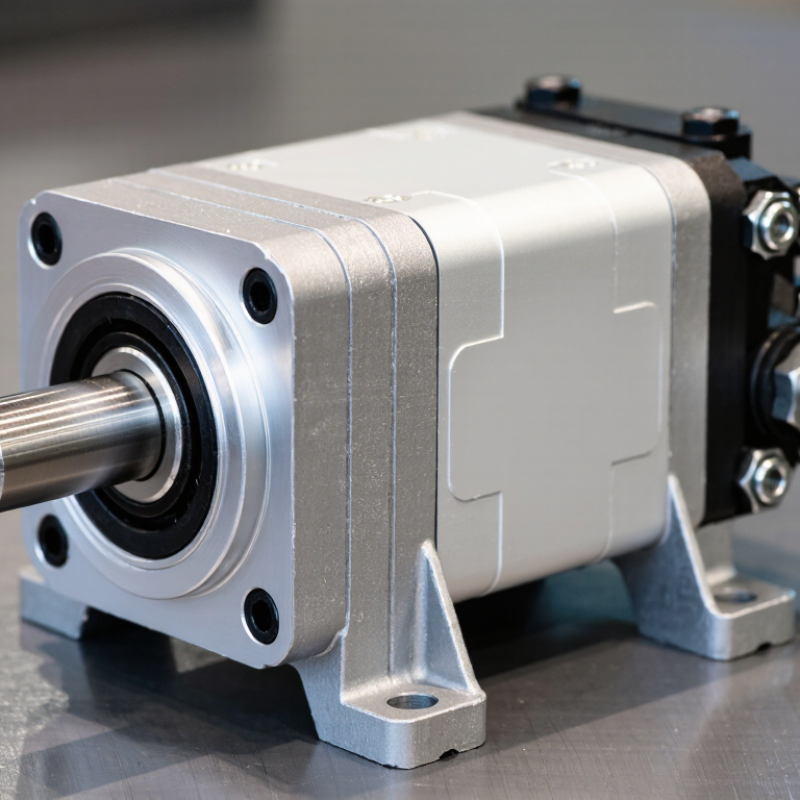
2026 Best Aluminum Bidirectional Gear Pump for Sale?

What Is an Aluminum Bidirectional Gear Pump?

An aluminum bidirectional gear pump is a positive-displacement pump designed to move fluid in either direction. Two meshing gears carry fluid around the inside of the housing, from the inlet side to the outlet side. Reversing the drive shaft reverses the flow, provided the pump and its connections are designed for that operation. Simple, but not magic.

The aluminum housing keeps the unit relatively light and helps transfer heat. Inside, close clearances between the gears and housing help the pump build pressure. This design suits many hydraulic and fluid-transfer systems where compact size and reversible flow matter. The exact fluid, operating pressure, speed, and temperature still matter. A pump that works well with hydraulic oil may not suit a thin or chemically aggressive liquid.

Before choosing one, check the manufacturer’s rated pressure in both directions, shaft-seal requirements, and port arrangement. Some systems also need suitable pressure protection when flow reverses. One detail is easy to overlook: “bidirectional” does not mean unlimited reverse operation. Aluminum can be a practical housing material, but compatibility depends on the fluid and working conditions. Reviewing the pump’s technical data against the actual system is a sensible step. It may feel like extra checking; it can prevent a poor fit.

How Does a Bidirectional Gear Pump Work?

A bidirectional gear pump moves liquid through the rotation of two meshing gears inside a close-fitting housing. As the teeth separate near the inlet, the spaces between them expand and draw fluid in. The fluid travels around the outer edges of the gears, carried in the gaps between teeth and casing. At the center, the teeth mesh again and displace it toward the outlet. The action is steady and compact.

When shaft rotation reverses, a pump designed for bidirectional operation can reverse its flow. But not every external gear pump supports this. Relief passages, seals, shaft support, and port geometry may favor one rotation direction. Check the specified rotation, pressure limits, and reversal requirements before installation. A wrong assumption can lead to leakage or damage. That sounds simple. It is not always.

An aluminum housing keeps weight down and can help dissipate heat, but alloy, wall thickness, fluid compatibility, and pressure rating all matter. Listen for a change in operating pitch, and measure fluid temperature after reversing direction. These clues may indicate aeration or excess load, though they cannot replace proper instruments. I would also compare the pump’s displacement and speed range with the system’s actual demand. Sales descriptions can leave out details that matter in operation.

2026 Best Aluminum Bidirectional Gear Pump for Sale? - How Does a Bidirectional Gear Pump Work?

Data Dimension Technical Data Selection or Operating Notes
Pump type External gear positive-displacement pump Two meshing gears carry fluid from the inlet side around the outer edges of the gears to the outlet side.
Bidirectional operation Flow direction can reverse when shaft rotation reverses, if the pump is designed for reversible operation. Confirm both rotation directions are permitted. Porting, seals, lubrication, and any built-in valves must suit reverse operation.
Displacement Specified in volume per shaft revolution, commonly cm³/rev (cc/rev). Displacement is a model-specific value. It determines theoretical flow together with rotational speed.
Theoretical flow Flow (L/min) = displacement (cm³/rev) × speed (rpm) ÷ 1,000. Actual flow is lower because of internal leakage; use the manufacturer’s performance data for the operating pressure, speed, and fluid.
Pressure rating Maximum and continuous pressure ratings vary by pump model and operating conditions. Check the rated pressure, speed, temperature, and duty cycle on the specific pump datasheet. A relief valve is needed to protect a positive-displacement circuit from overpressure.
Aluminum housing Aluminum alloy may be used for the pump body to reduce mass. Housing material alone does not establish pressure capability, fluid compatibility, or service life; verify the complete pump specification.
Working principle As gear teeth separate at the inlet, expanding spaces draw fluid in. Fluid is trapped between the gear teeth and housing, then displaced as the teeth mesh at the outlet. The meshing zone limits direct flow back from outlet to inlet; the pump produces flow, while system resistance determines operating pressure.
Fluid and viscosity Fluid type and viscosity must fall within the pump manufacturer’s specified limits. Check compatibility with the body, seals, and other wetted materials, as well as the allowable viscosity range at startup and operating temperature.
Inlet conditions Inlet pressure, line size, fluid temperature, and rotational speed affect filling and cavitation risk. Follow the specified inlet-pressure and suction-line requirements; avoid restrictions and keep the inlet line appropriately sized.
Choosing a suitable pump Match displacement, flow, pressure, shaft speed, rotation, port arrangement, mounting, fluid, and temperature to the application. There is no universally best pump for every system. Compare model-specific datasheets and confirm reversible operation before purchase.

Which Design Features Shape Pump Performance and Service Life?

A bidirectional aluminum gear pump must reverse flow without sacrificing sealing or bearing support. Check whether the design is genuinely reversible: porting, shaft seals, and pressure balancing should work in both directions. A polished housing helps, but precise gear-end clearances matter more. Too much clearance increases internal leakage; too little can cause drag as the aluminum body warms. Small details count.

ISO 4409:2019 sets steady-state test methods for positive-displacement pumps, including measurement of flow, pressure, speed, and input torque. Ask for test results across the intended operating range, not just a headline maximum pressure. A pump that performs well cold may lose volumetric efficiency after the oil heats. That gap deserves scrutiny.

Clean oil is essential. ISO 4406:2021 classifies hydraulic-fluid cleanliness using particle counts at 4, 6, and 14 μm(c). Fine particles can wear gear faces and bushings, widening leakage paths over time. Specify filtration and inlet conditions alongside the pump. Also inspect the shaft seal material, bearing arrangement, and housing pressure rating. These are easy to overlook. In service, repeated direction changes and pressure spikes can expose weaknesses that a short bench test may miss. A modest, documented operating margin is often more useful than an impressive peak figure.

How to Match a Pump to a Hydraulic System

Matching a 2026 aluminum bidirectional gear pump starts with the circuit, not the sale listing. Record required flow, working pressure, shaft speed, fluid viscosity, and duty cycle. For a reversing circuit, check rated flow and pressure in both directions; porting and relief-valve arrangements can change performance. Measure both directions.

Use the basic flow estimate: displacement × speed × volumetric efficiency.

For example, a 16 cm³/rev pump at 1,500 rpm and an assumed 90% efficiency delivers about 21.6 L/min. That is an estimate, not a guarantee. The U.S. Department of Energy’s Improving Pumping System Performance sourcebook reports that pumping systems can consume 25–50% of energy in some industrial facilities. This figure covers pumping systems broadly, not hydraulic gear pumps alone, but it underscores the cost of poor system matching.

Confirm the pump’s continuous and intermittent pressure ratings, inlet conditions, fluid compatibility, and allowable temperature. Check the reservoir, hose size, and suction line too; a suitable pump can still cavitate when inlet flow is restricted. Follow ISO 4406 cleanliness guidance when specifying oil filtration. A clean spreadsheet can miss cold-start losses. Treat calculations as a draft, then compare them with measured pressure, flow, and oil temperature under real operating conditions.

How to Compare Aluminum Gear Pumps for Sale in 2026?

2026 Best Aluminum Bidirectional Gear Pump for Sale?

How to Compare Aluminum Gear Pumps for Sale in 2026?

When comparing aluminum bidirectional gear pumps, match the operating conditions before comparing prices. Check displacement, rated pressure, speed range, and permitted fluid temperature. Confirm that the pump supports flow in both directions; some models may need specific porting or installation arrangements. Ask for performance curves, test conditions, and material details for gears, shafts, and seals. Aluminum housings are lightweight, but housing material alone does not determine durability.

Look closely at the duty cycle, too. A pump used intermittently may face different demands from one running for long shifts. Verify that the stated ratings suit your actual system, not just a catalog example. If possible, request a sample test report or speak with a qualified technician about the installation. A low purchase price can be tempting. I would still check replacement-part availability and warranty terms; these are easy to overlook, and I have seen specifications leave practical questions unanswered.